What Causes It Around Here
Most of the doors we replace in Fairhope aren't failing from one bad spring or a snapped cable. They're failing because they're original equipment. A lot of this town filled in through the 1990s, and a door installed when a house was built in, say, 1997 is now closing in on three decades of daily cycles. Steel panels from that era were thinner than what's sold now, torsion springs were rated for fewer cycles, and the openers paired with them were basic chain-drive units without today's safety sensors.
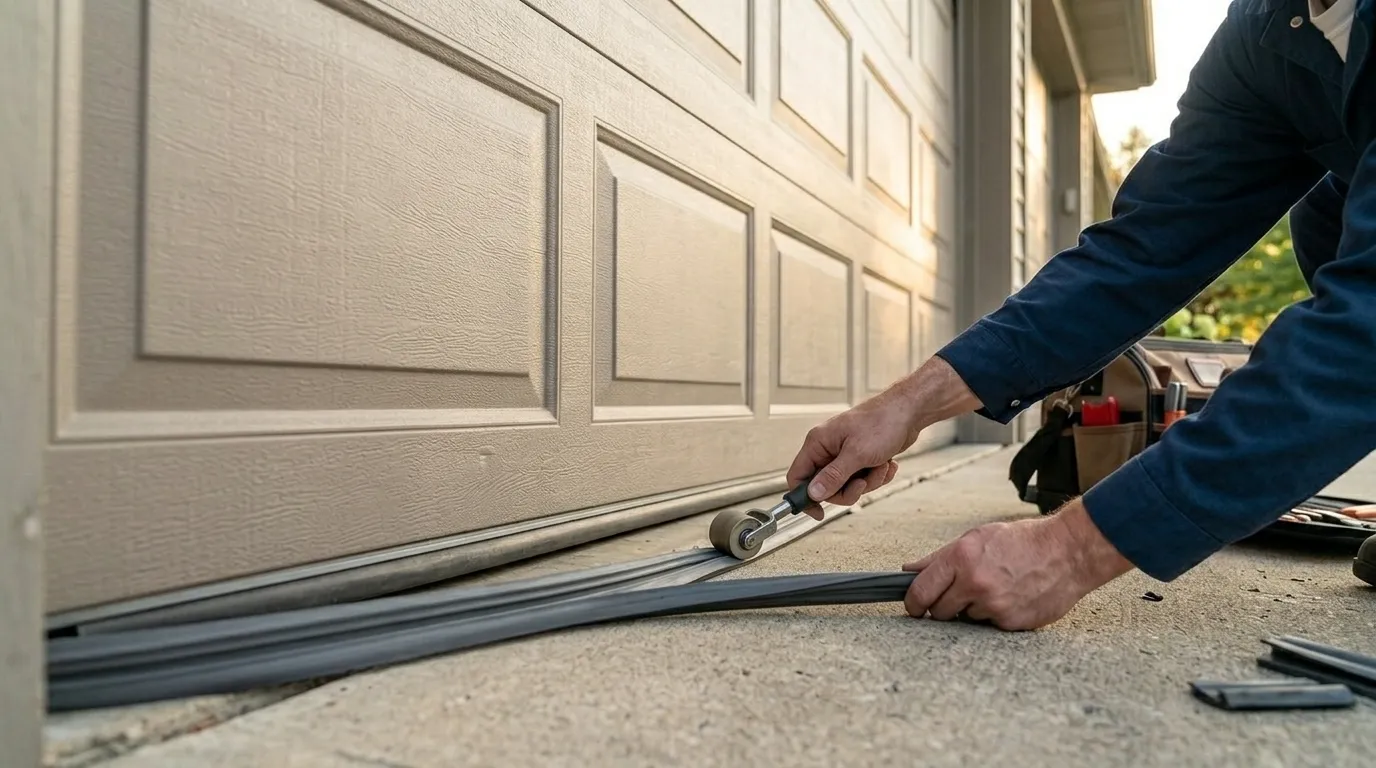
Across the wider Daphne service area the housing stock runs 1963 to 2007, with a median around 1990 - Fairhope's own median build year sits close behind that at 1997. That means a big share of the doors we're asked to replace here aren't broken in an obvious way. They're just tired: sagging bottom panels, hardware that's stretched past factory tolerance, and rollers that have worn their tracks oval. Nobody notices until the door won't seal at the floor anymore or the opener starts straining on every cycle.
The climate here is mild with only occasional freeze risk, so we're not fighting the same expansion-and-contraction damage you'd see somewhere with hard winters. The failure pattern is closer to plain fatigue - parts doing their job for 25-plus years and finally running out of life.
What the Fix Involves
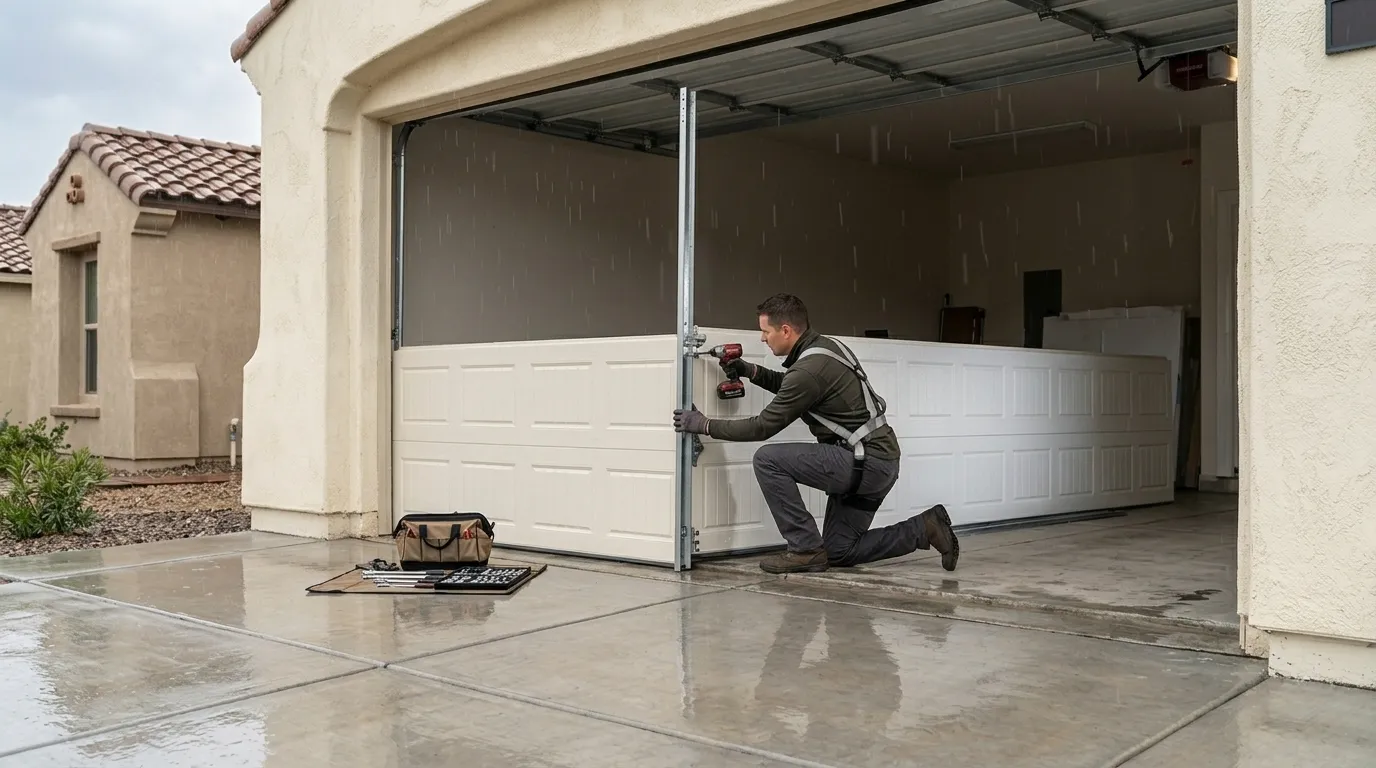
A new install starts with the opening itself, not a catalog page. On a 1990s-era Fairhope house, the rough opening and header height were framed for the door that came with the house, so we measure before we quote anything - track type, headroom, and whether the framing needs shimming for a modern door's thicker panel.
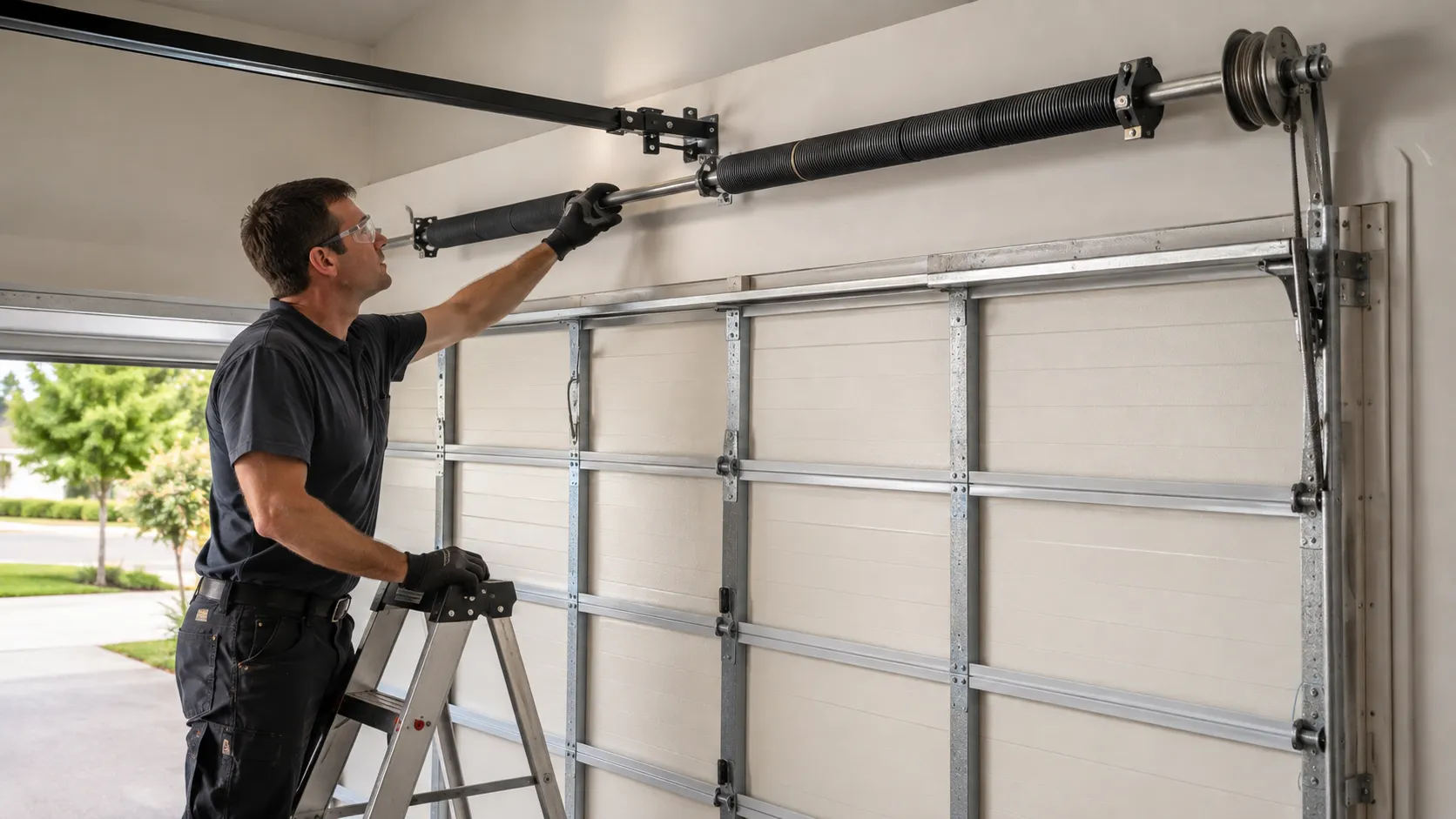
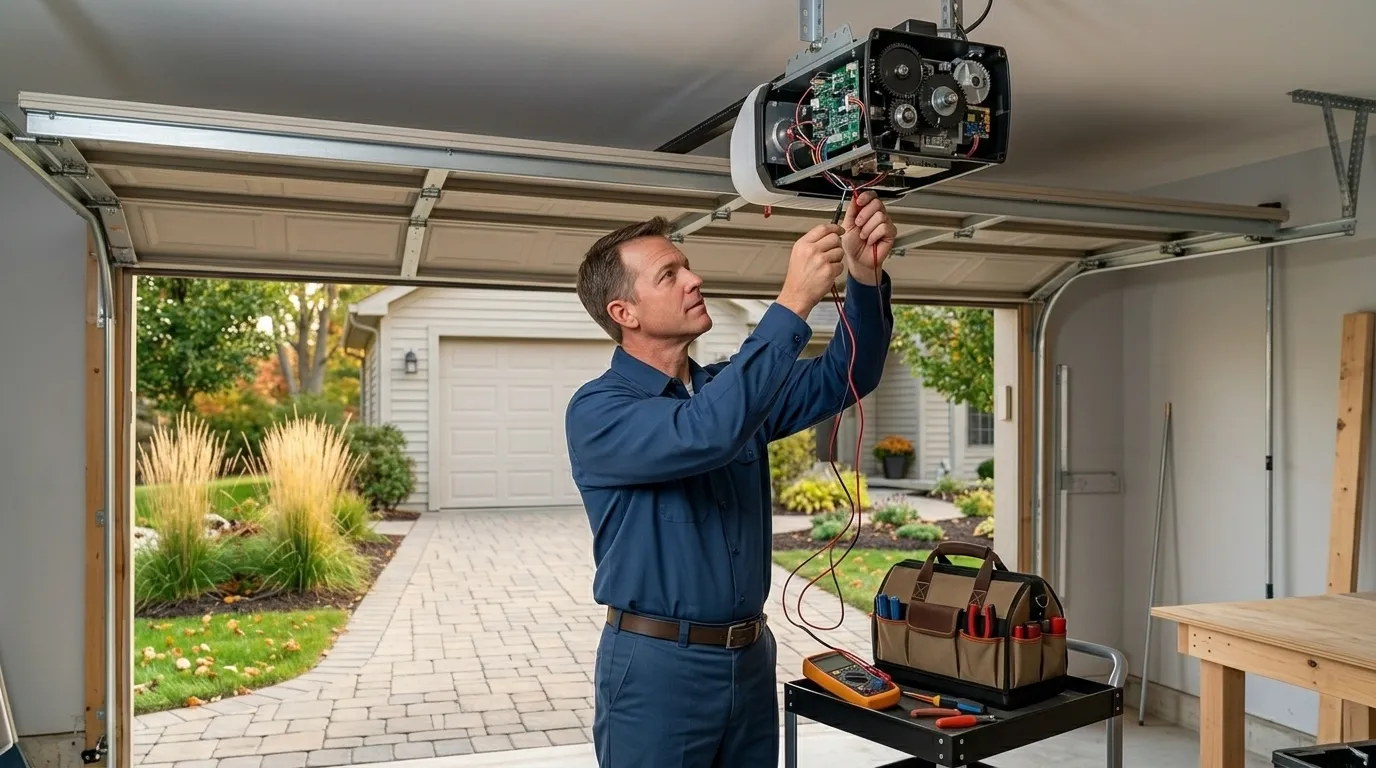
Most of what we pull out is a single-layer steel door on a standard extension or torsion spring setup. What goes back in depends on what the homeowner wants: insulated steel, insulated panels are worth discussing even in a mild climate because they cut noise and add rigidity, or a straightforward non-insulated replacement matched to the old hardware. We size new torsion springs to the actual door weight rather than reusing old spring specs, and we set the opener's travel limits and force settings from scratch - old openers weren't built for the safety-reversal standards on the doors sold today.
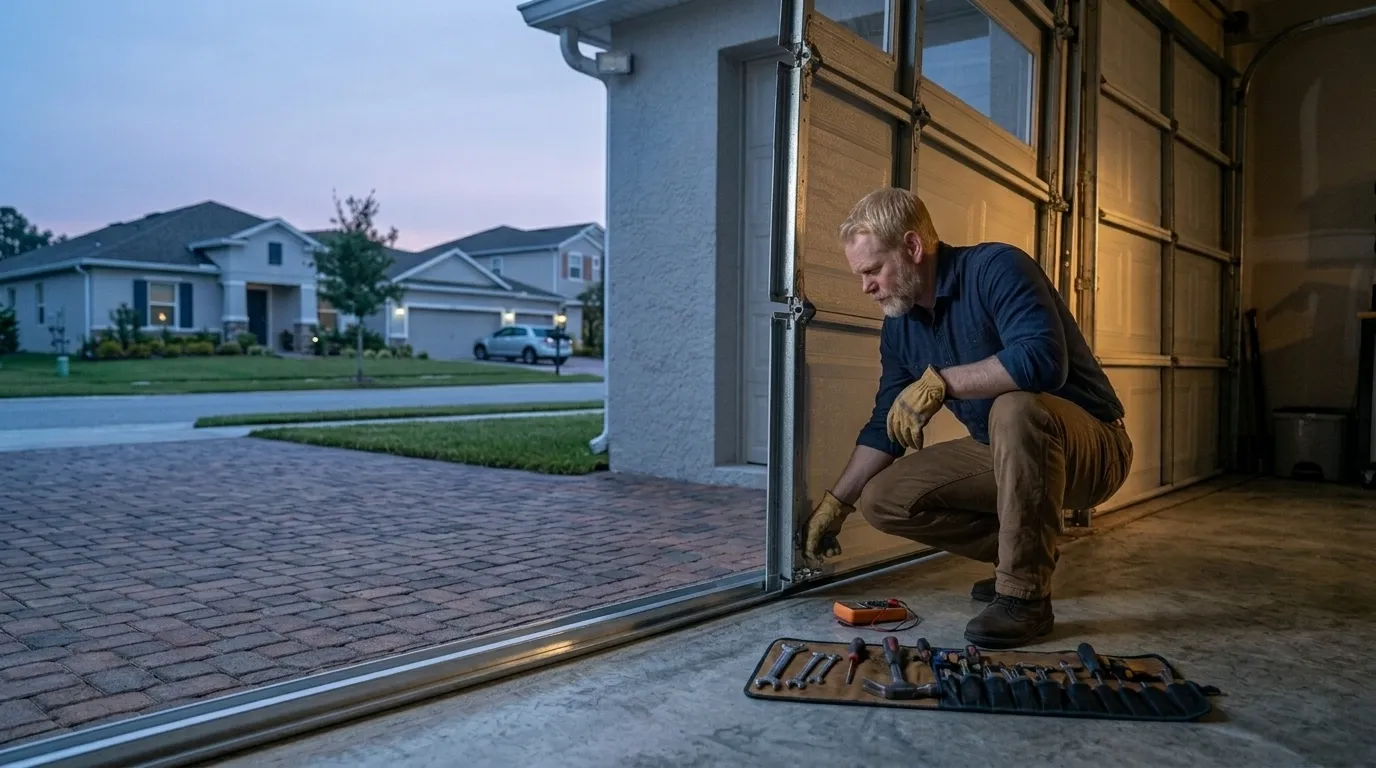
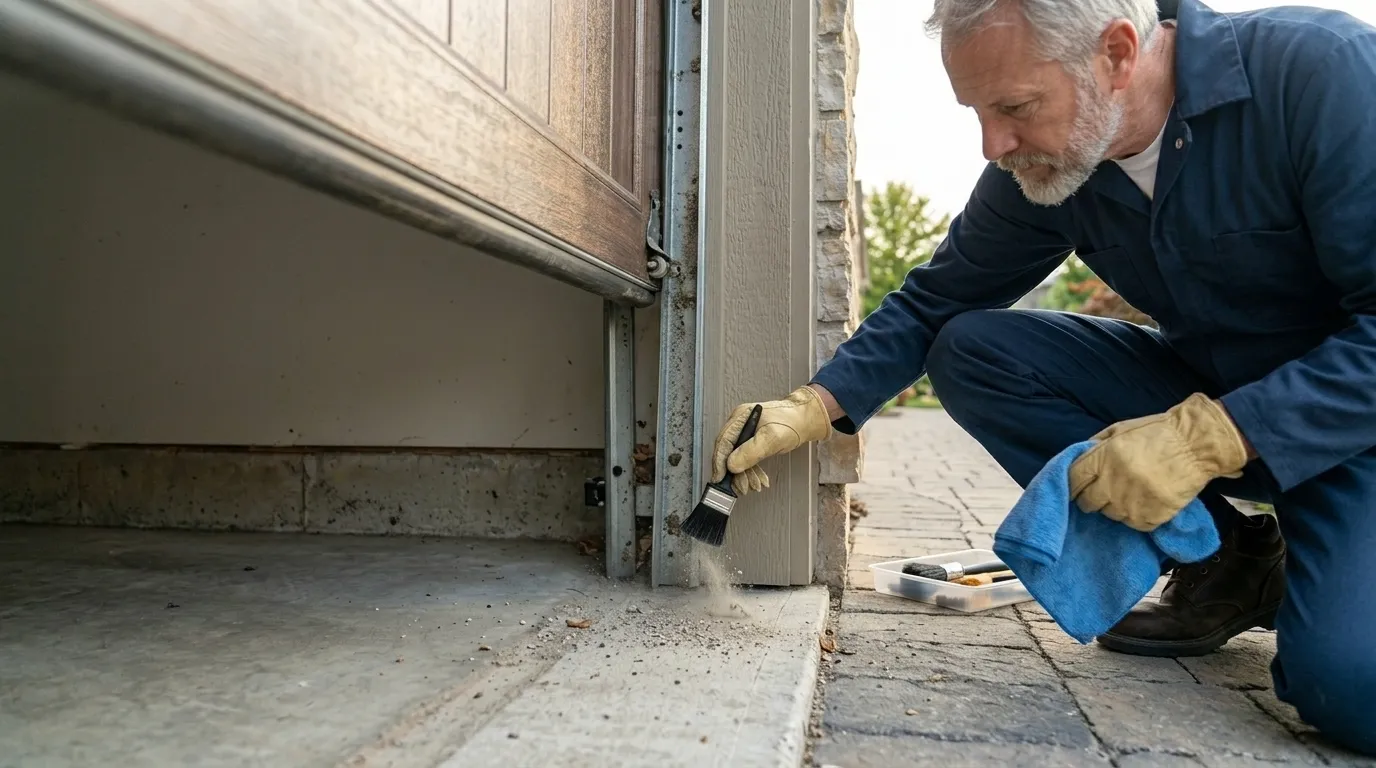
One honest limit: if the existing track or jamb hardware is bent or rusted through, that's an added repair, not a swap-and-go. We'll tell you on site if that's the case before we start, not after.
What It Costs
We don't publish a flat number for new door installation because the range is wide - a basic non-insulated steel door on existing hardware costs a lot less than a full insulated door with a new opener and new track. What we can say is that Fairhope sits at a higher median household income than the broader Daphne service area, and in practice that shows up as more homeowners here asking about insulated doors and quieter belt-drive openers rather than the base option. That's a preference, not a requirement - plenty of Fairhope homeowners want the simplest door that does the job and nothing more.
The honest answer is we price it after we see the opening, the door style you want, and whether the old track and header can be reused or need work. Anyone quoting a number sight unseen for a 1990s house they haven't measured is guessing.
How It Shows Up
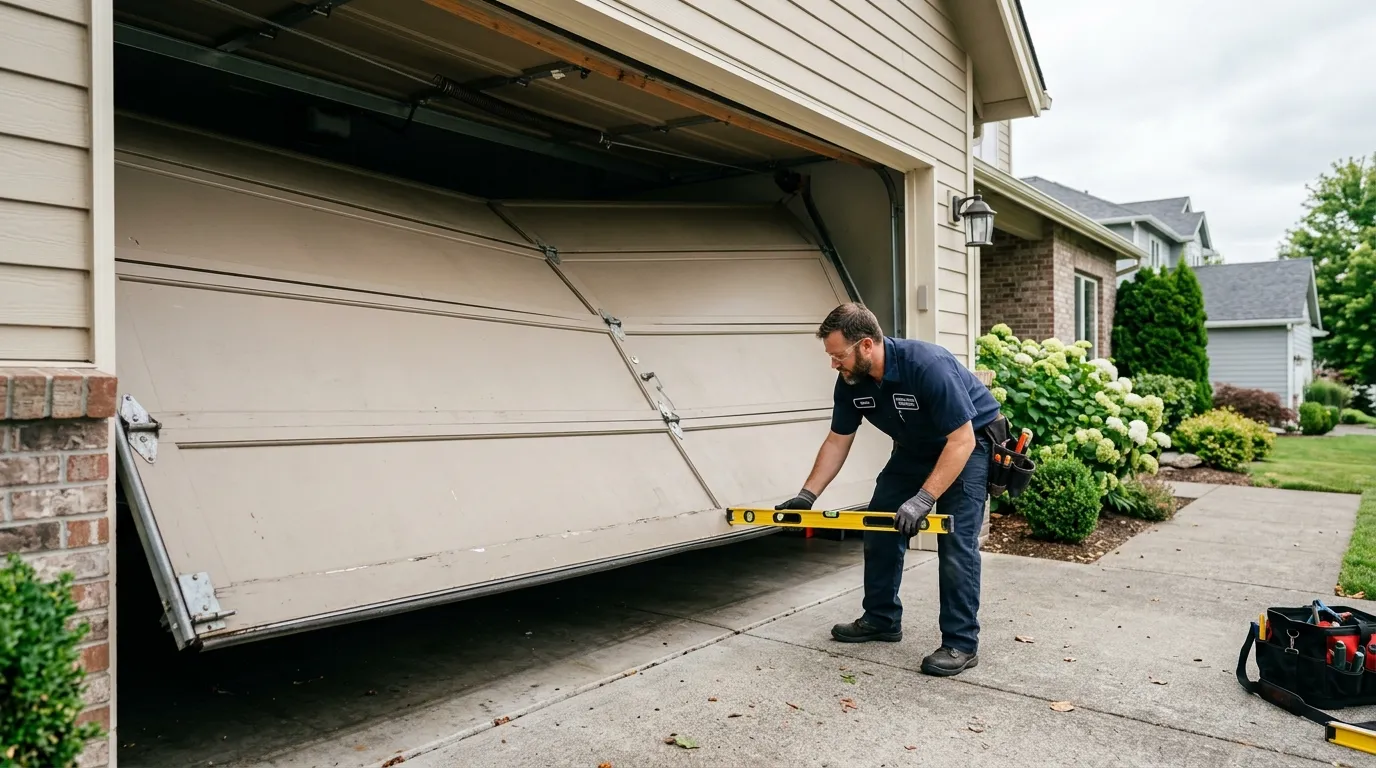
The signs that a Fairhope door is at replacement age rather than repair age tend to be the same handful: the door doesn't sit flush at the bottom anymore even after adjustment, the opener strains and reverses partway through a close, panels have visible waviness or dents that keep the door from tracking straight, and the springs have been replaced once or twice already on the same 1990s-era door.
If you're only seeing one of those - say, a single stuck roller - that's usually a repair, not a full install. It's when several of these show up together on a door that's been in place since the house was built that replacement starts making more sense than another round of patching.