What It Costs
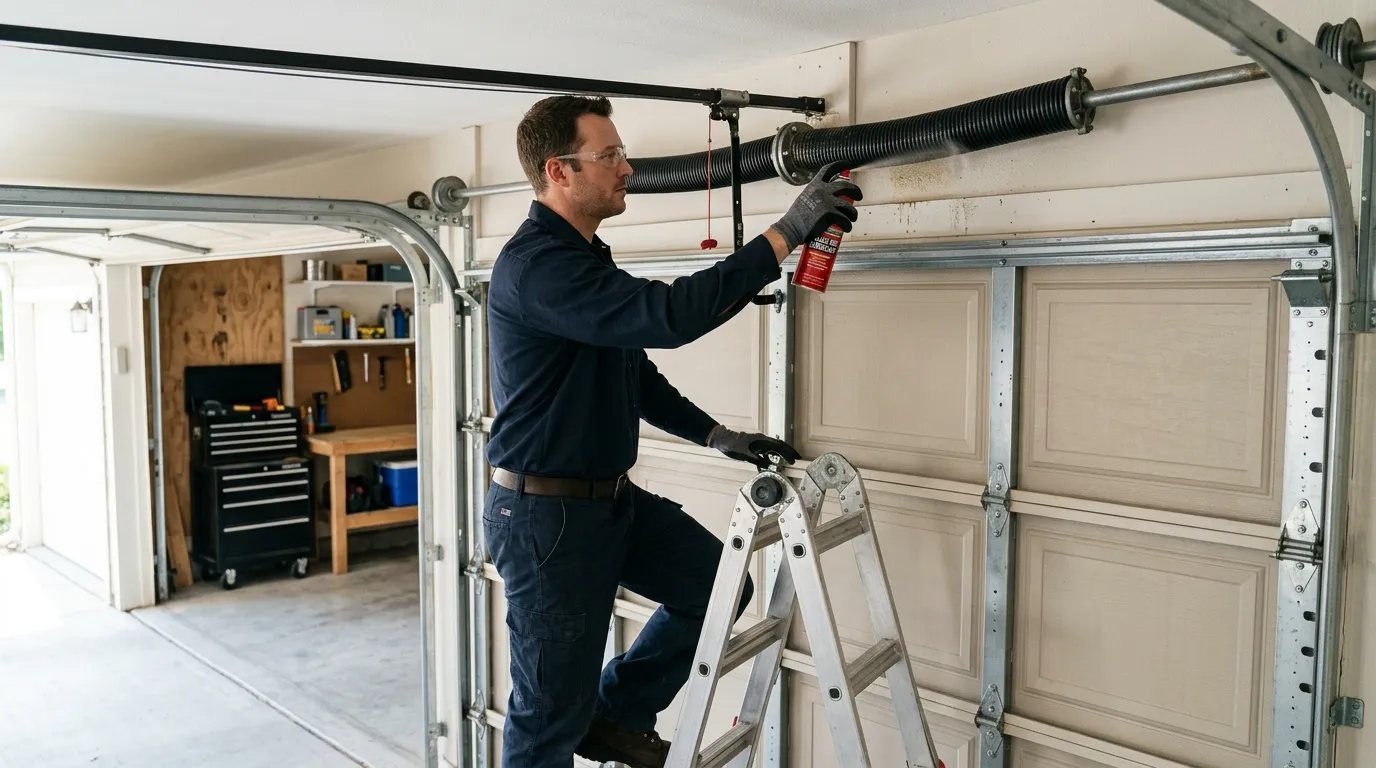
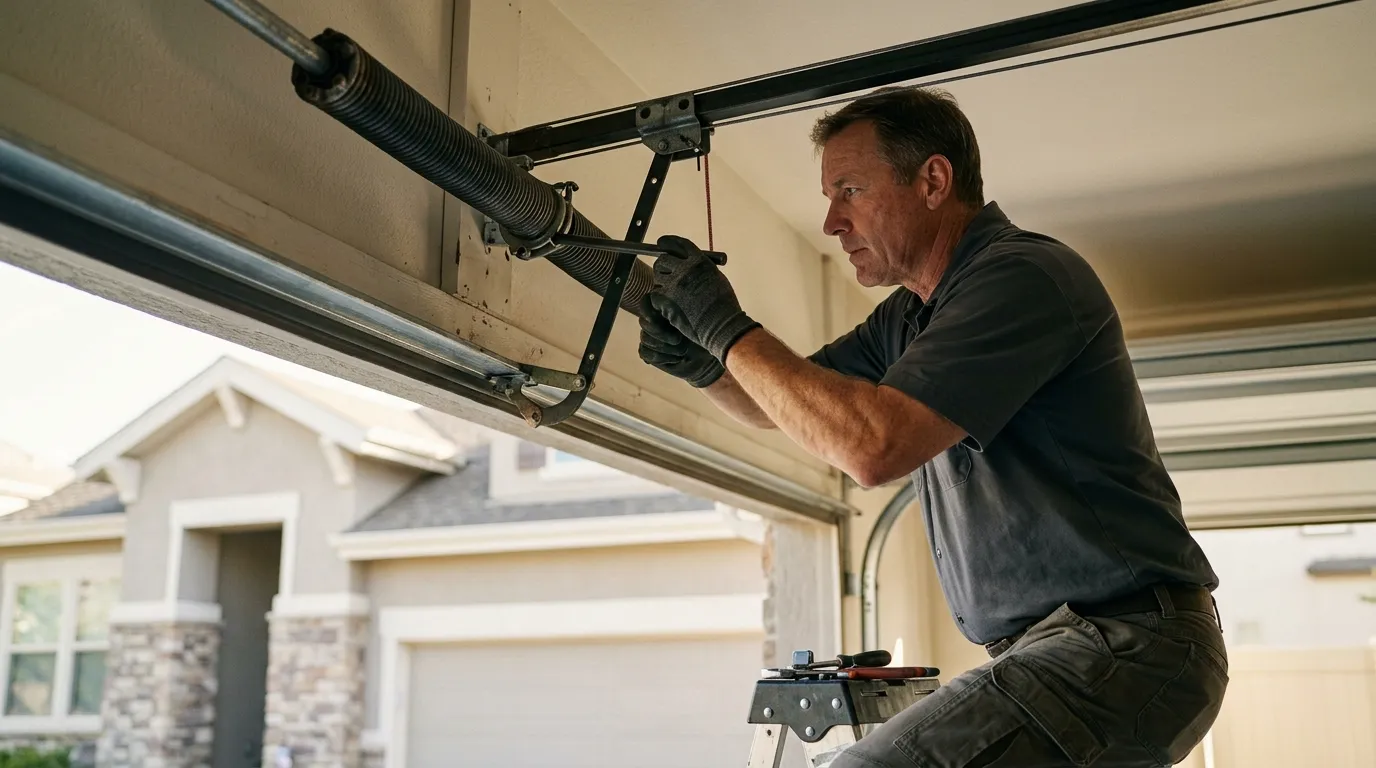
We won't quote a number here, because the honest answer depends on what's already bolted to your header and what you're asking us to put up in its place. A straight swap of a chain-drive unit for another chain-drive unit is a different job than pulling out a 1990s opener and running a belt-drive or jackshaft model that needs new wiring, a different mounting bracket, or a wall console upgrade. Houses in this service area mostly went up between 1963 and 2007, with the bulk of the stock dating to the 1980s and 90s, which means a lot of the openers we're replacing were installed on hardware nobody makes brackets for anymore. That changes labor time before it changes parts cost. What we can tell you without seeing the job: the drive type you pick, whether the door itself needs new springs or track at the same time, and whether your framing needs reinforcing for a heavier motor all move the price. If you want a real number, that's a call and a look at the header, not a guess over the phone. We'd rather tell you that up front than throw out a figure we'd have to walk back at the door.
How It Shows Up
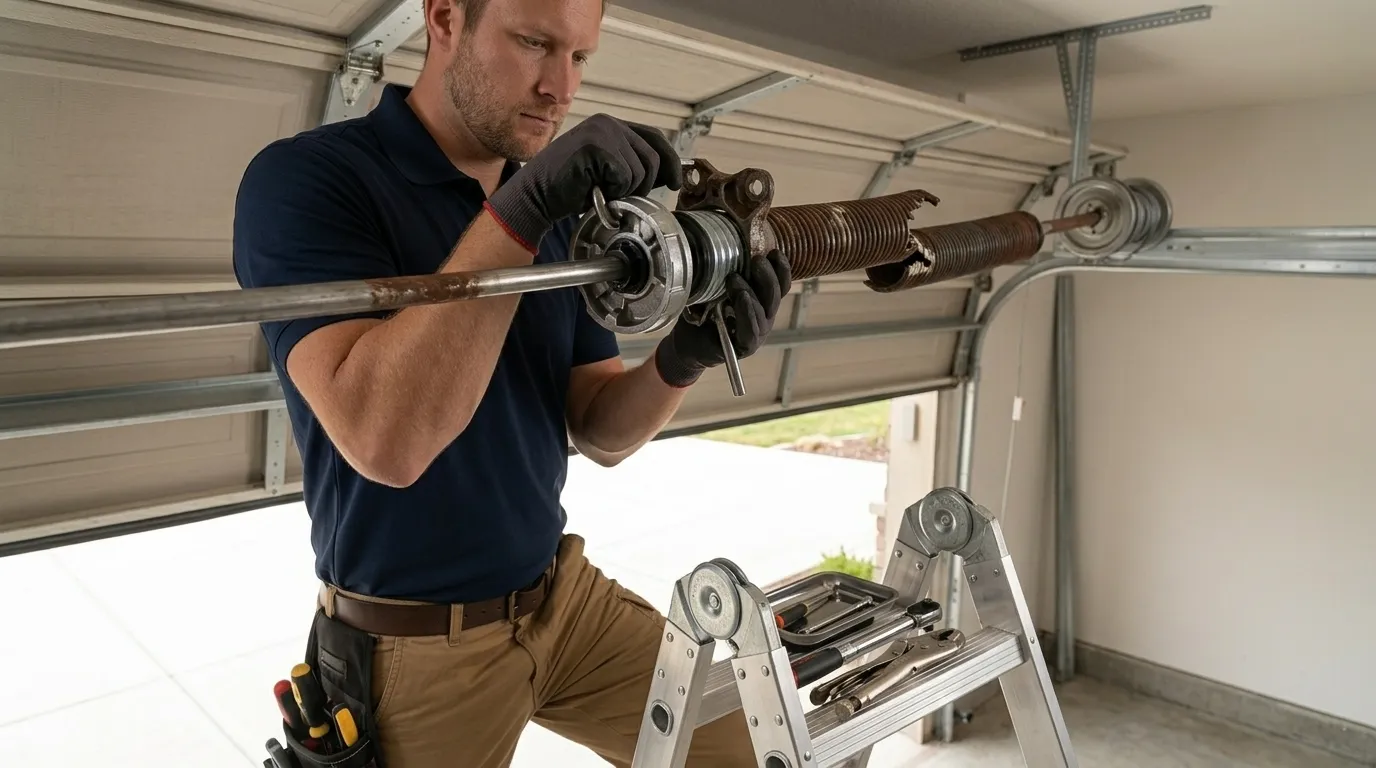
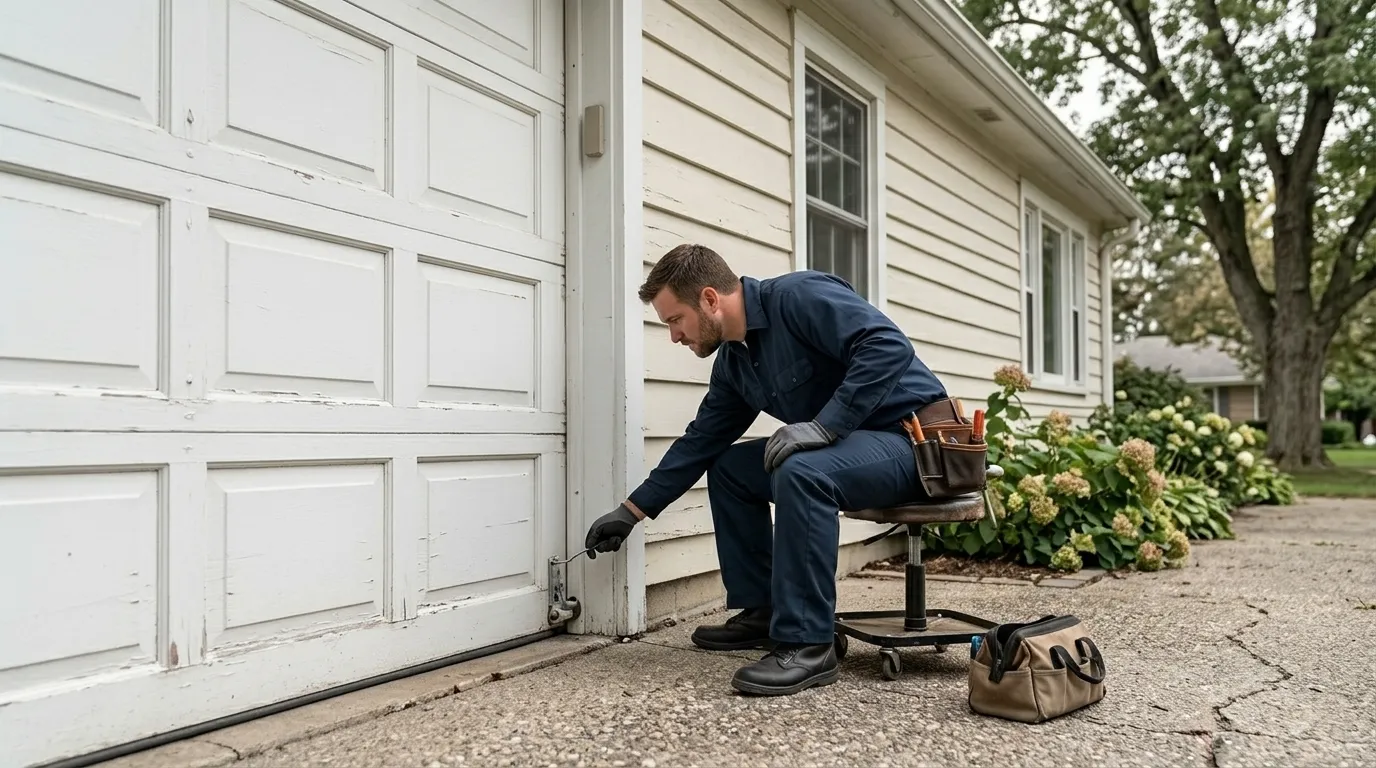
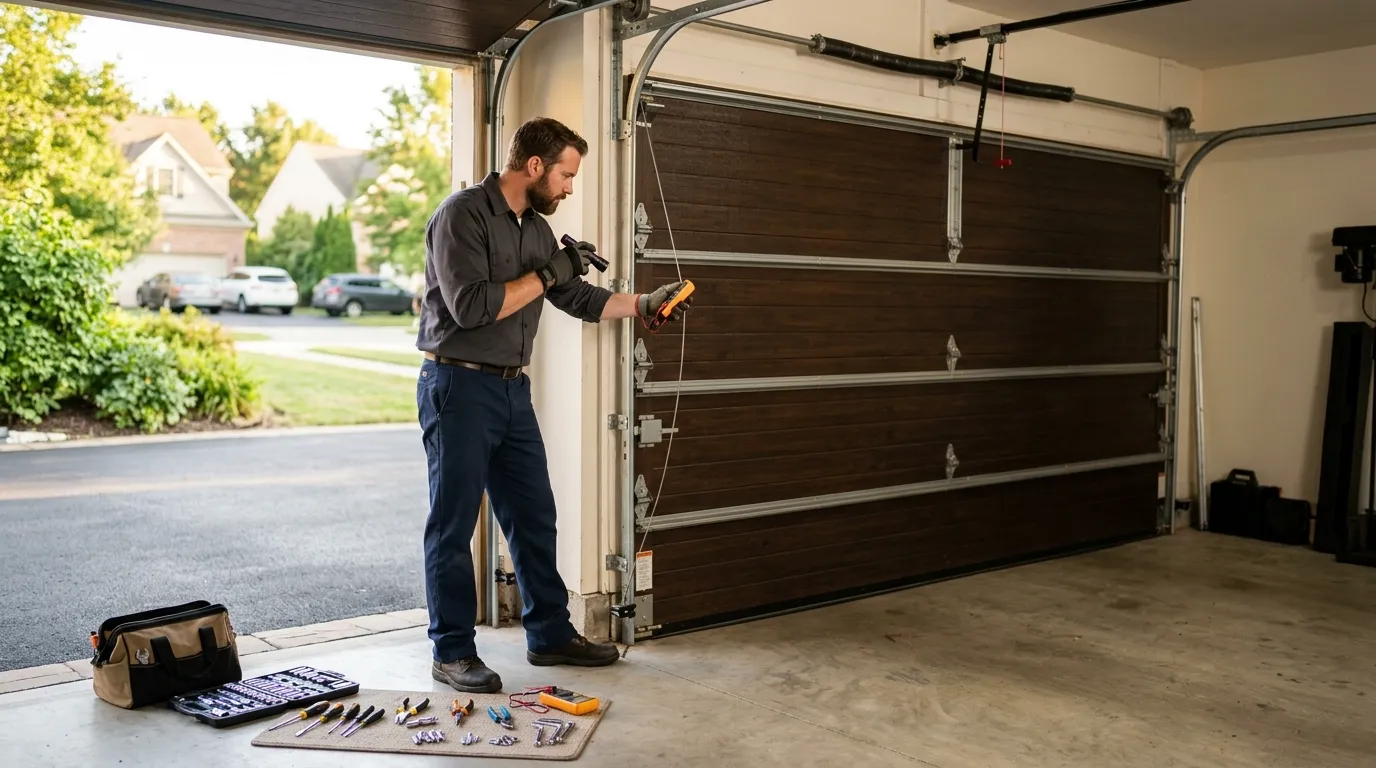
Most opener failures we see don't quit all at once. The chain grinds louder before it snaps a link. The motor hums for a second or two before the door moves, or doesn't move at all. Remotes work from the driveway but not from the street, which usually means a weak antenna or a board losing its grip on the signal, not a dead remote battery. On the 1980s and 90s units still running in a lot of these houses, you'll often hear a distinct double-click from the wall button before anything happens - the relay is tired and taking two tries to close. Sometimes the door reverses halfway up for no reason anyone in the house can explain, which is usually the logic board misreading the travel limits it was set to twenty or thirty years ago. None of these are dramatic. They're slow failures on old hardware, and by the time a homeowner calls, the opener has usually been giving warning signs for weeks. The one that isn't slow: a capacitor failure that just stops the motor cold, no warning, no half-measures. That one you notice the same day.
How Long It Takes
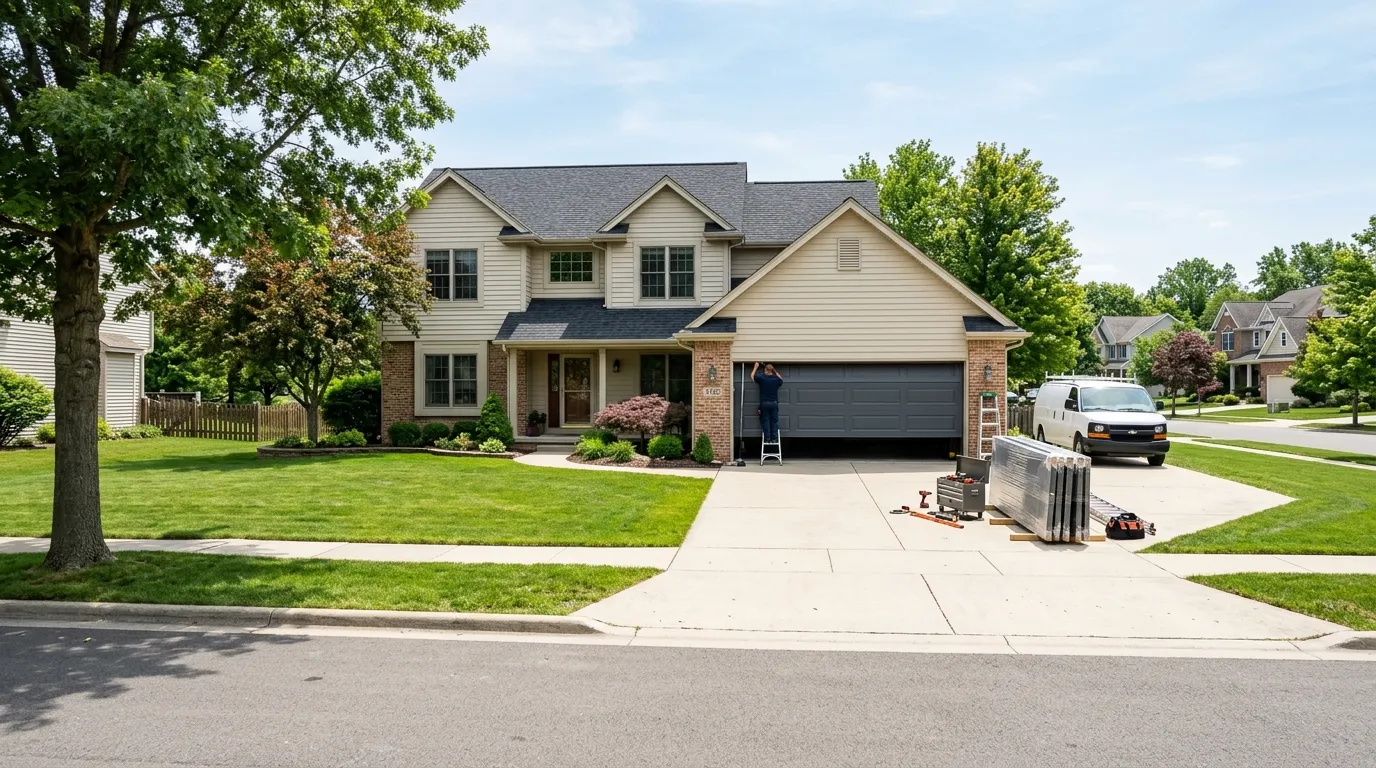
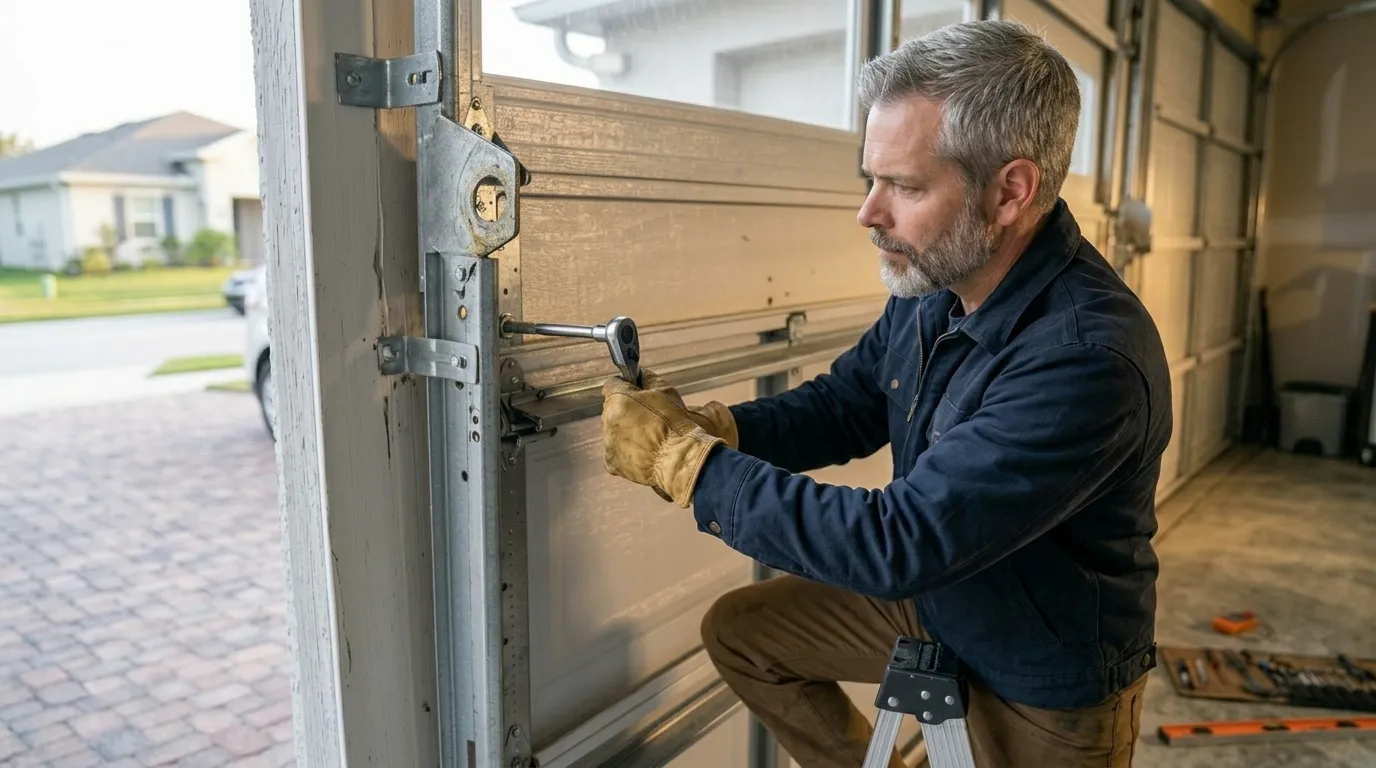
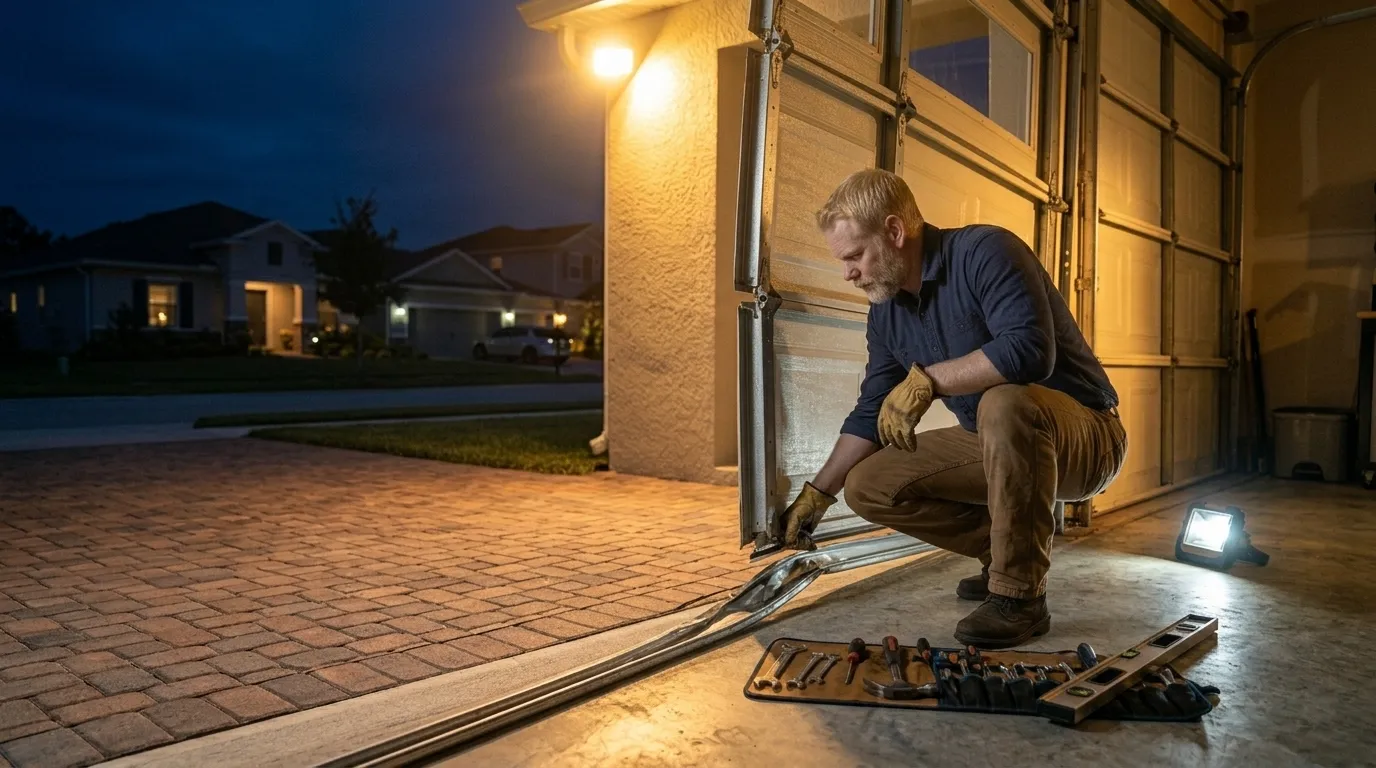
A straight opener swap on hardware that's still in decent shape - same drive type, same mounting points - is usually a same-day job from the time we're on site. Add a rail change, a new wall console, or reinforcing the header for a heavier unit, and you're looking at more hours on that same visit, not a second trip. Where timing gets affected is scheduling, not labor: we run trucks across a service area that stretches from Spanish Fort and Fairhope, both about seven miles out, through Loxley nine and ten miles off, out to and the towns beyond. A same-day call in Daphne doesn't usually cost you a slot if we're already routed nearby that day. What we can't promise is a specific arrival window without knowing where else the truck is headed that morning. If a part isn't something we carry on the truck - an odd bracket size or a discontinued rail - that's the one thing that can turn a same-day job into a next-day one.