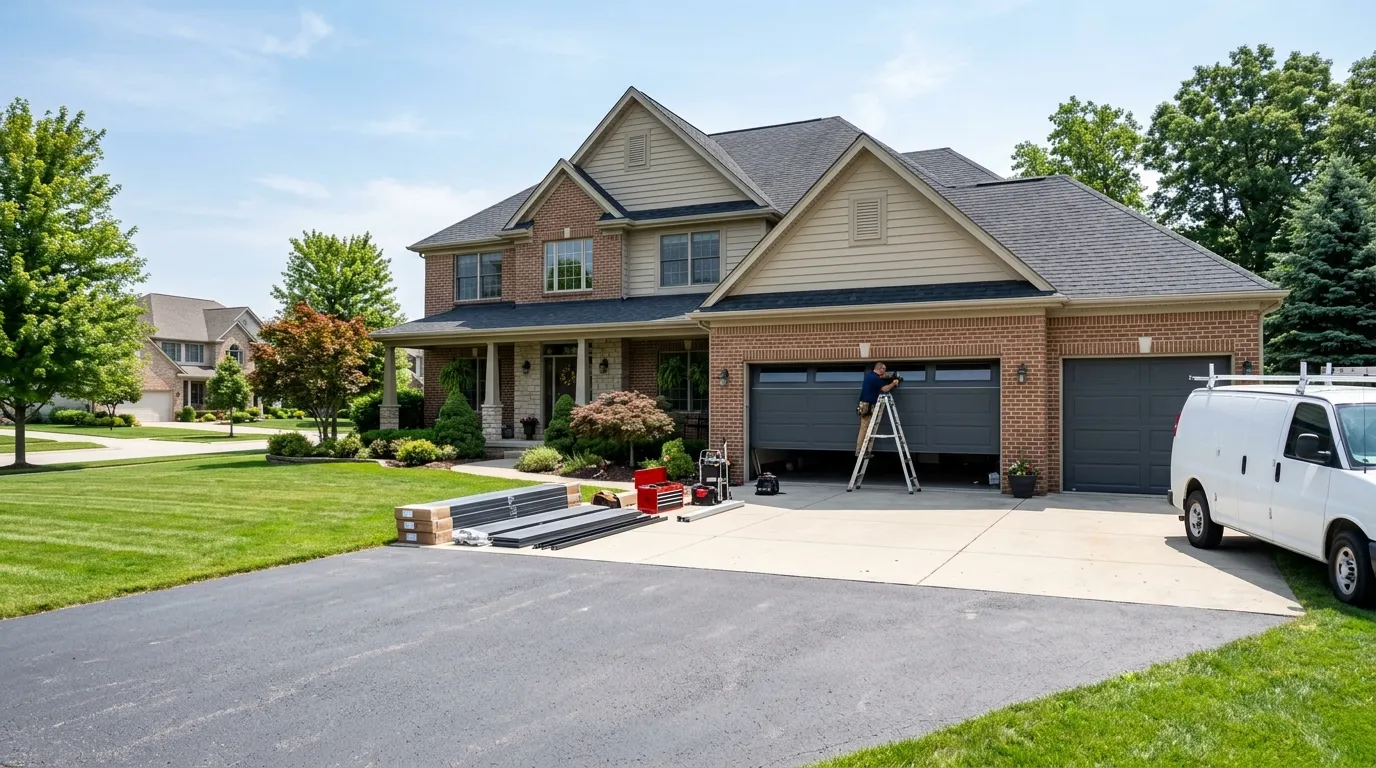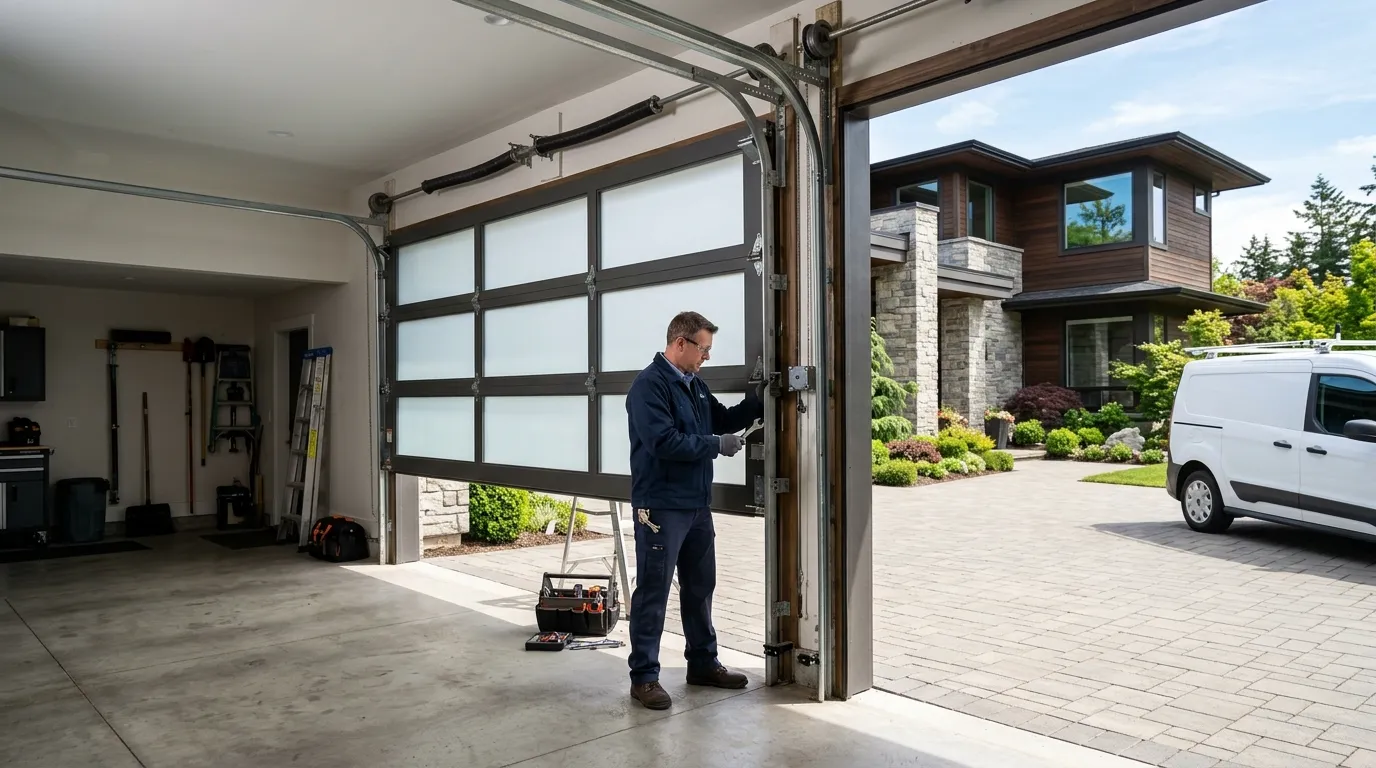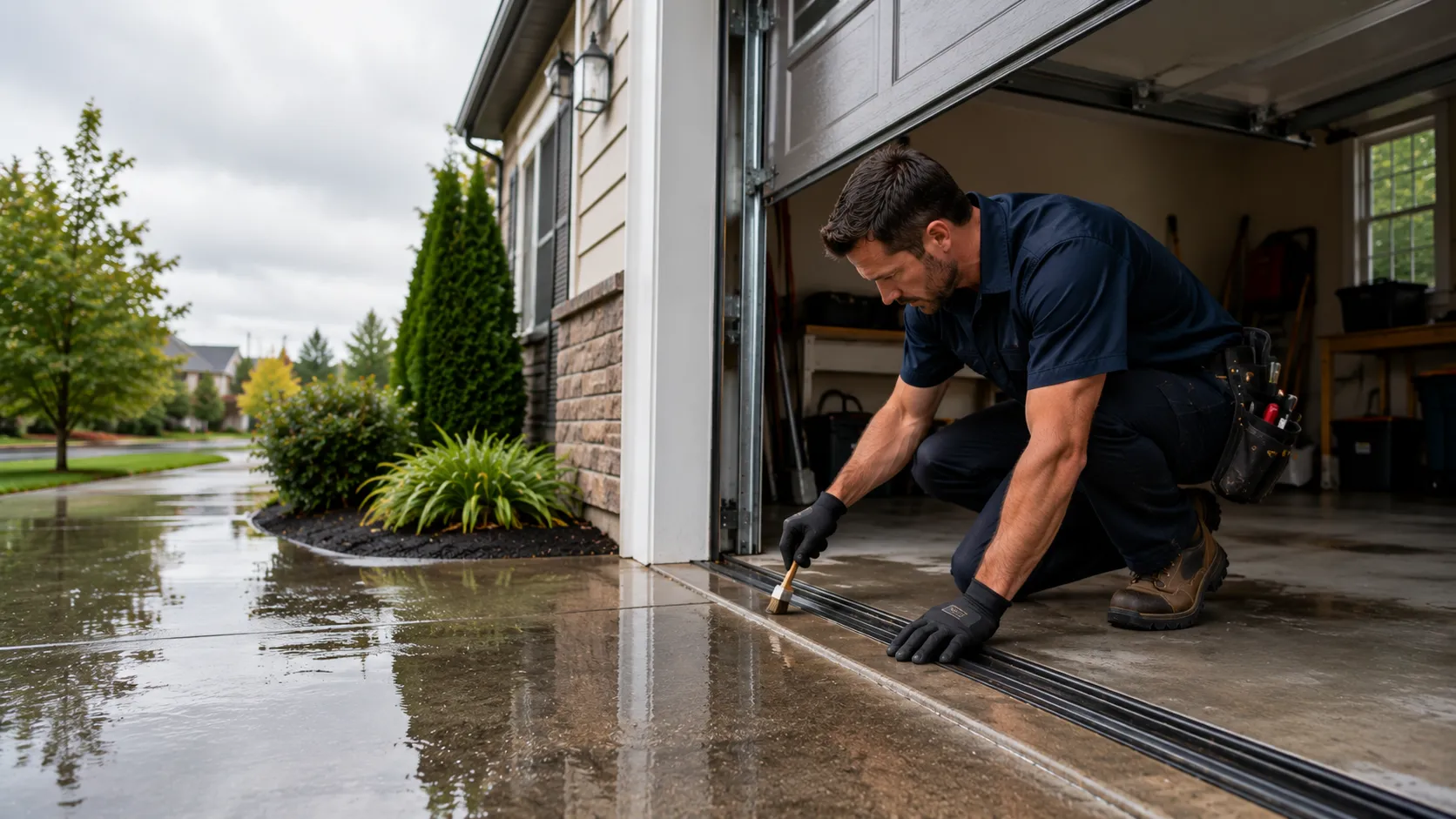
What Causes It Around Here
Fairhope's housing stock centers on 1997, which puts a lot of doors and openers right at the age where springs, cables, and rollers start failing without warning. A torsion spring rated for 10,000 cycles doesn't care what year it is - it cares how many times the door has gone up and down, and a house built in the mid-90s has likely seen 20-plus years of daily use on hardware that was never swapped out. If your opener is original to the house, it's a chain-drive unit from that era, and those motors and gear sets wear out predictably around now.
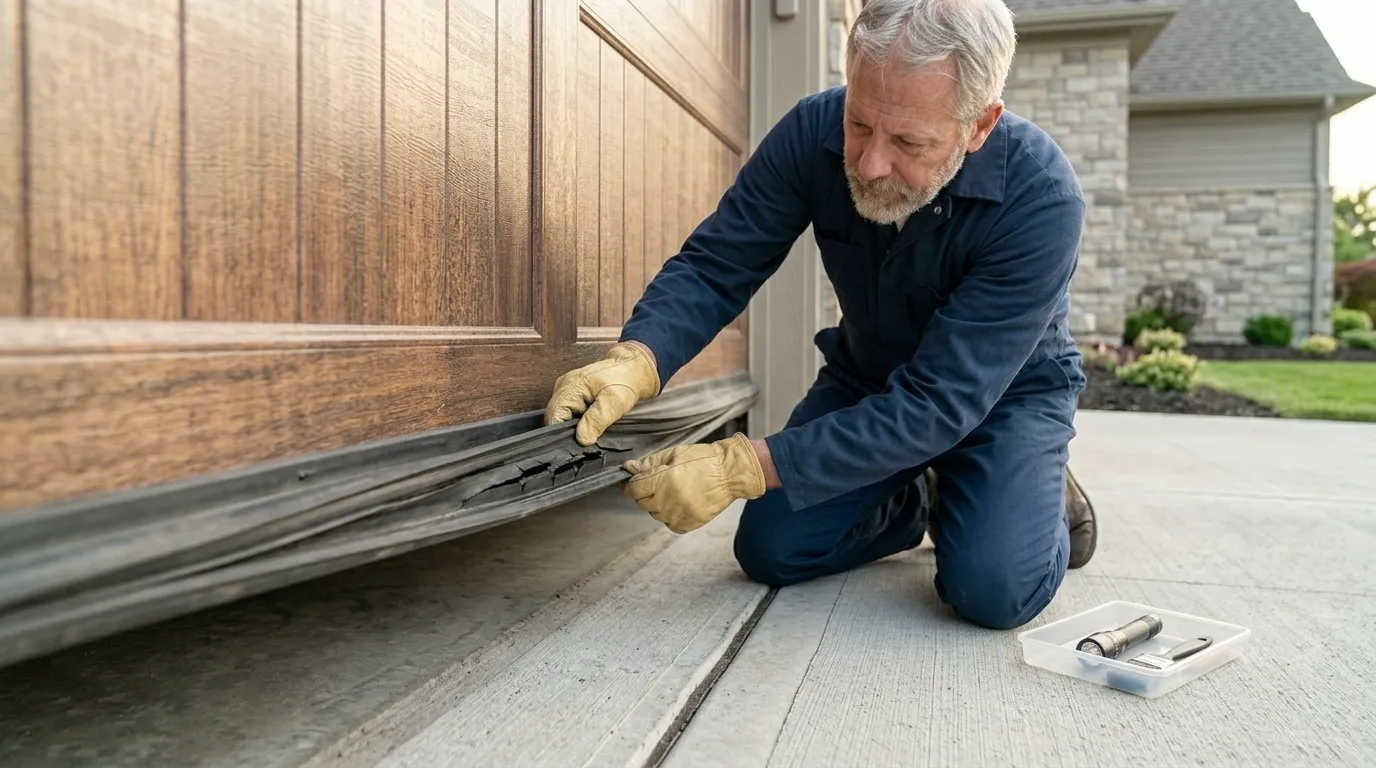
The climate here is mild with occasional freeze nights, which isn't brutal on steel the way a hard winter is, but it does mean lubrication gets skipped for years at a stretch because nobody thinks about it. Dry, stiff cables and dried-out rollers are common on doors nobody's touched since they moved in. We see this pattern across the wider area too, since most of the region's stock also dates to the 1980s-90s, but Fairhope's own median sits a bit later, which usually buys a few extra years before the first spring goes.
What the Fix Involves
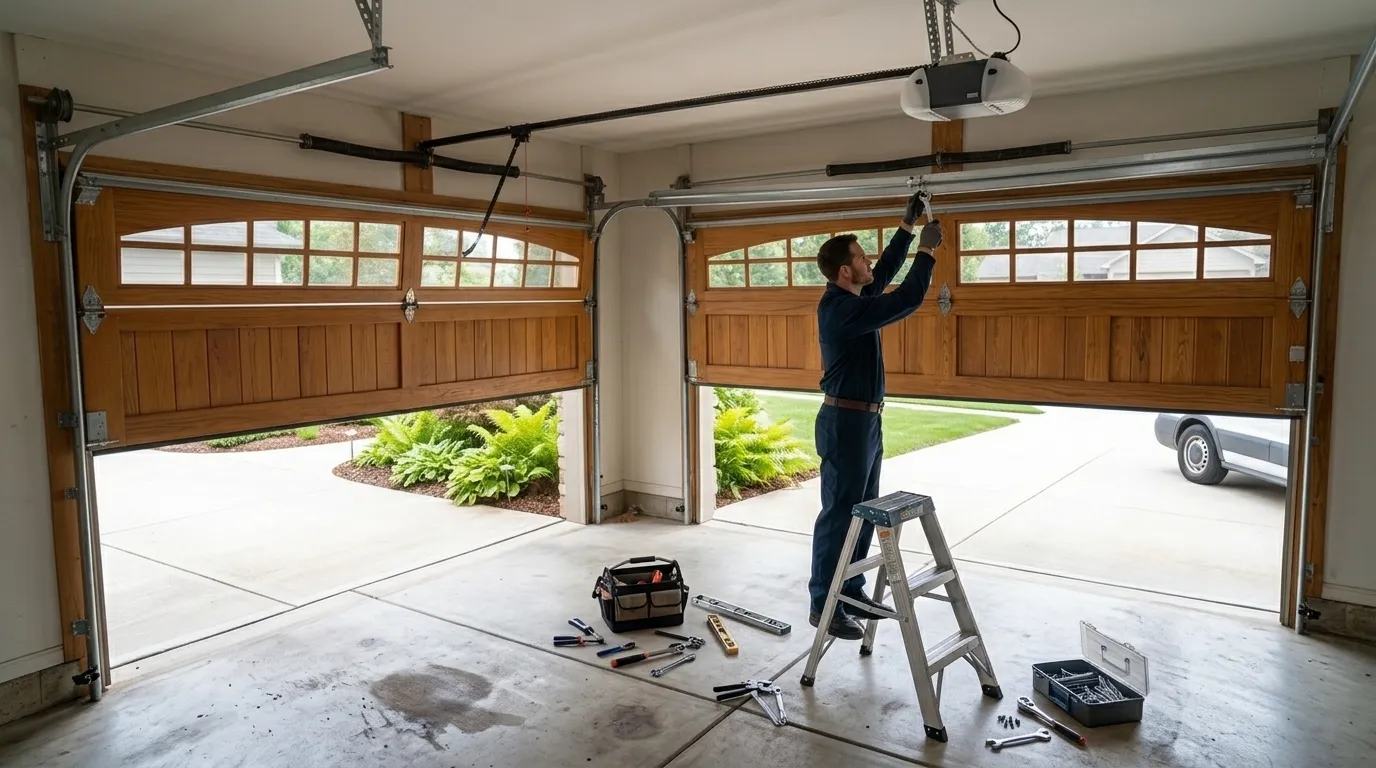
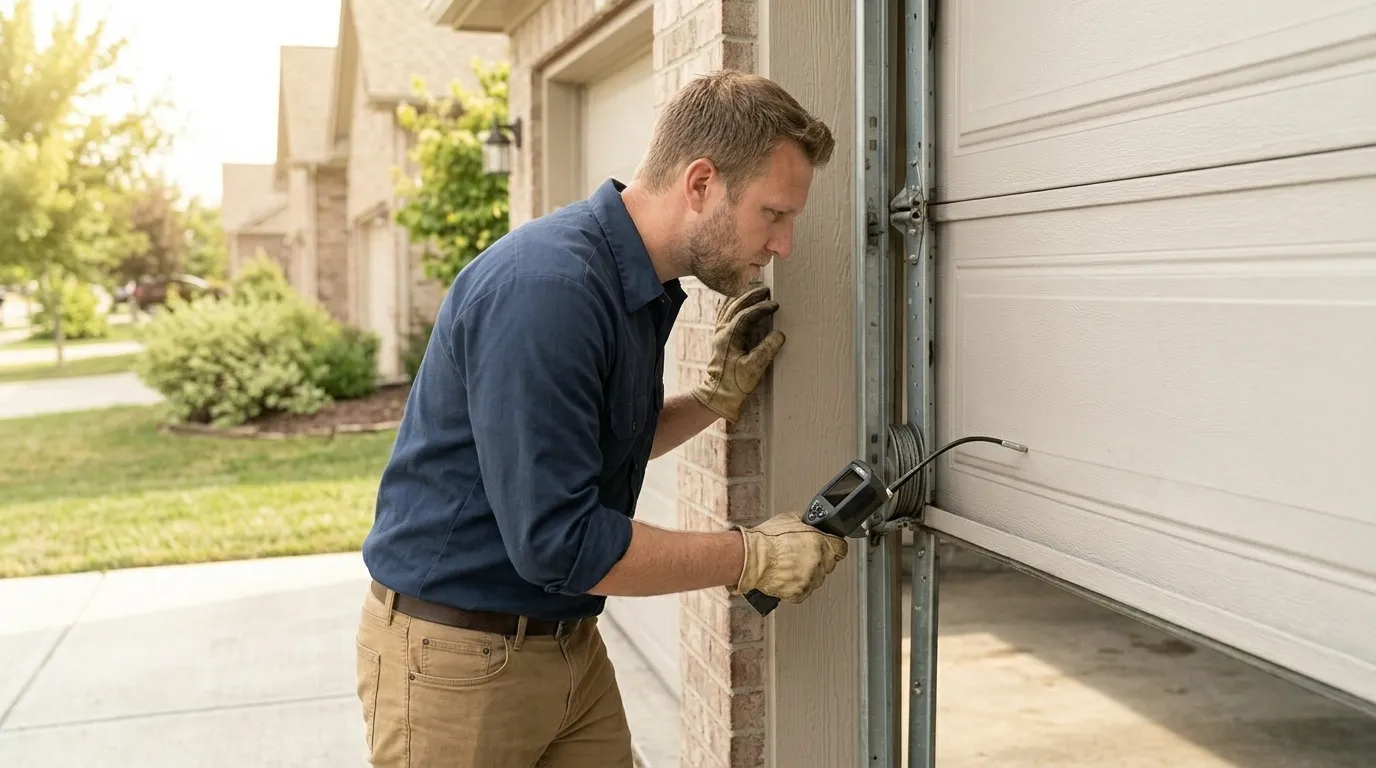
Most emergency calls in a neighborhood like this are a broken torsion spring, a snapped cable, or an opener that's finally quit pulling its own weight. On a door built around 1997, the spring size and drum setup follow a fairly standard pattern for that era, so we carry stock that matches without needing to special-order anything unusual.
If the opener itself is original, we'll tell you straight whether it's worth repairing or replacing - a 25-year-old chain-drive unit with a stripped gear is rarely worth fixing when a new belt-drive opener costs less than a service call plus parts and will run quieter and longer. That's the honest call we make on-site, not a sales pitch.
We don't stock every obscure part for a heavily customized door, and if yours has aftermarket hardware nobody makes anymore, that can mean a short wait on a specific part. We'll tell you that up front instead of guessing at a fix that won't hold.
What It Costs
We don't quote a flat number over the phone for spring or cable work because door size, spring count, and opener age all move the price, and guessing wrong either way isn't fair to you. What we can tell you is that a torsion spring replacement on a standard double door is usually less than replacing a full opener, and if your hardware is original to a 1997 build, spring failure is the far more likely call than a full opener rebuild.
One honest limitation: if you want us to quote a number sight unseen, we can't do it responsibly. We'll give you a real price once we're looking at the door, and we won't pad it with a service call fee if you move forward with the repair that day.
How It Shows Up
It usually starts small. The door groans instead of rolling smooth, or it takes a beat longer to reverse when the opener's sensor catches a bike leaning too close. Then one morning it won't budge, or it drops fast on one side because a cable let go. On a door pushing 25-plus years of daily cycles, that's not bad luck - it's the schedule catching up.
With 9,315 households in Fairhope and a median income north of $86,000, a lot of these garages hold two vehicles and see real daily traffic, which means more cycles on the spring per year than a rarely-used door. That adds up faster than people expect. If your door's making noise it didn't used to make, that's worth a call before it fails at the worst possible moment - nights and weekends included.