What the Fix Involves
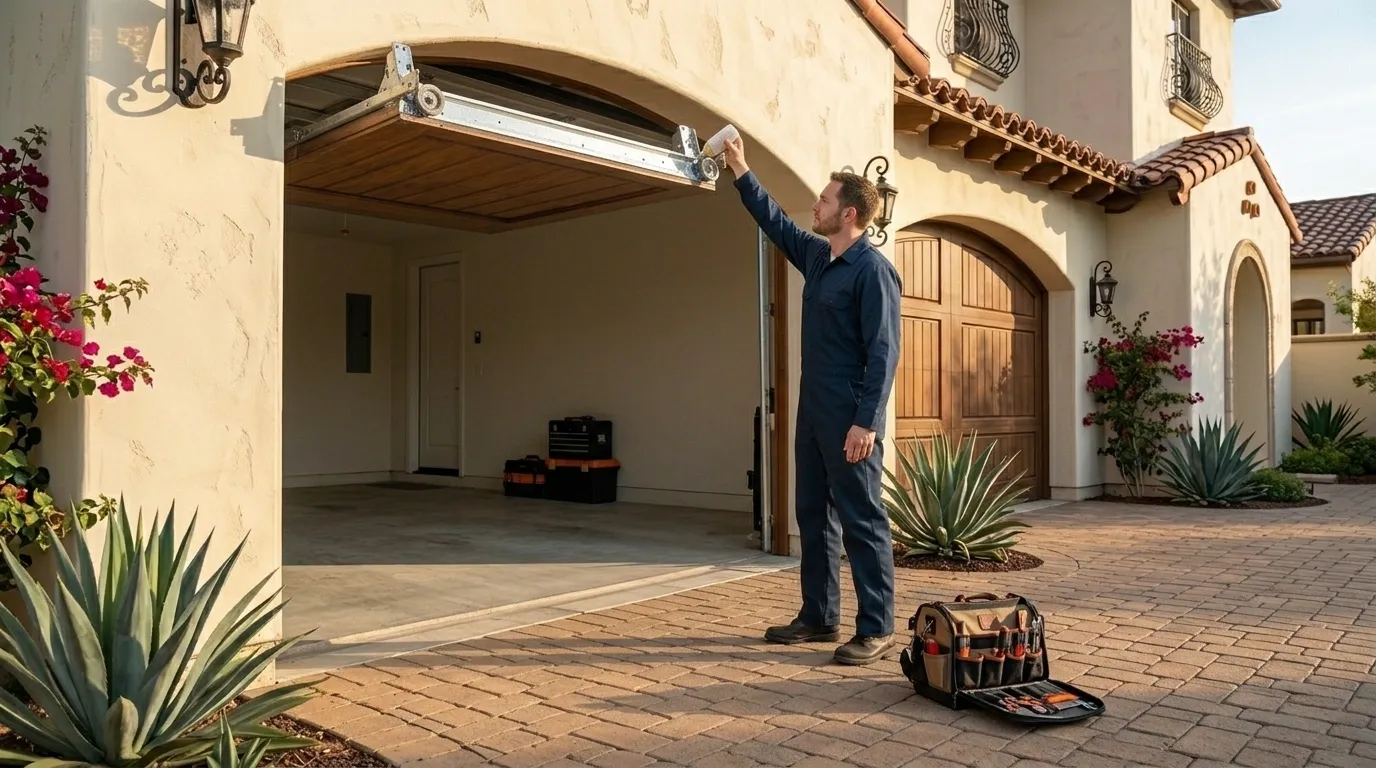
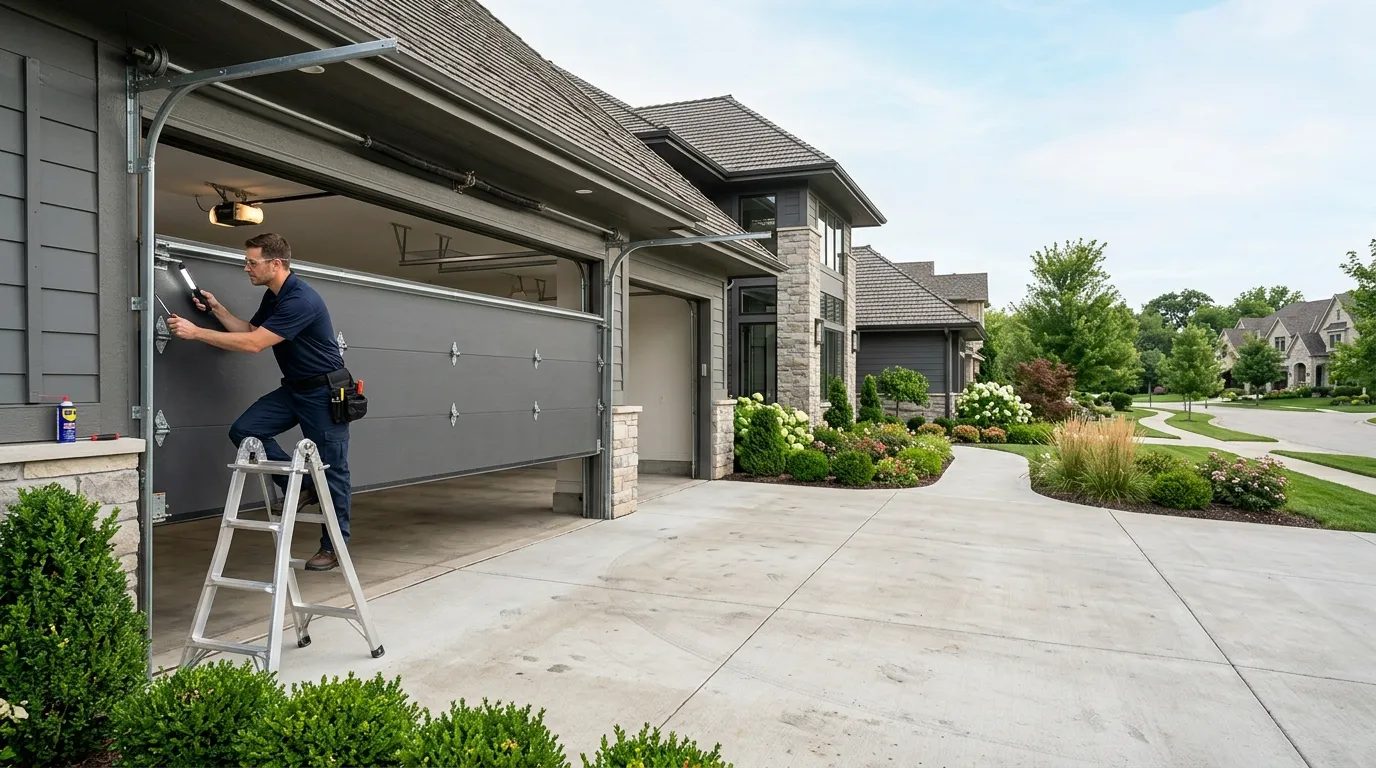
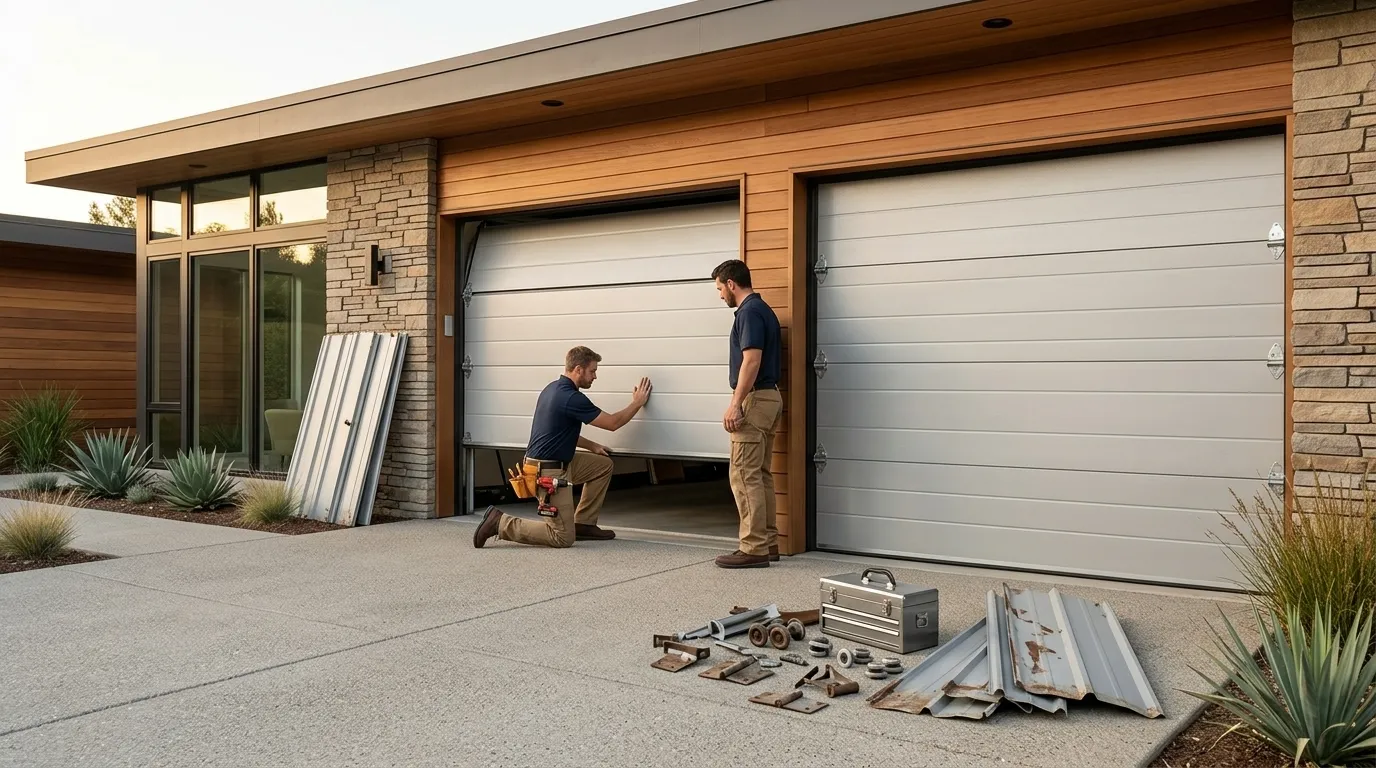
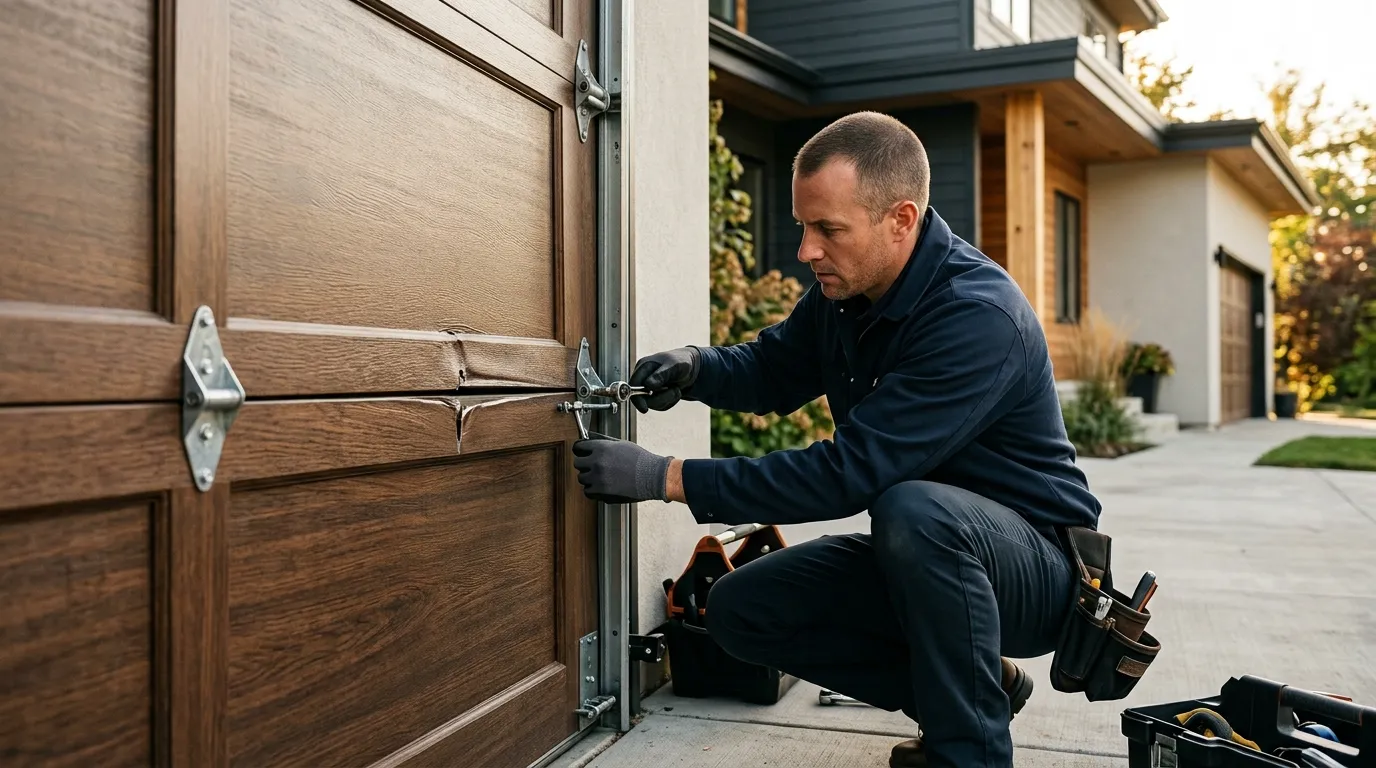
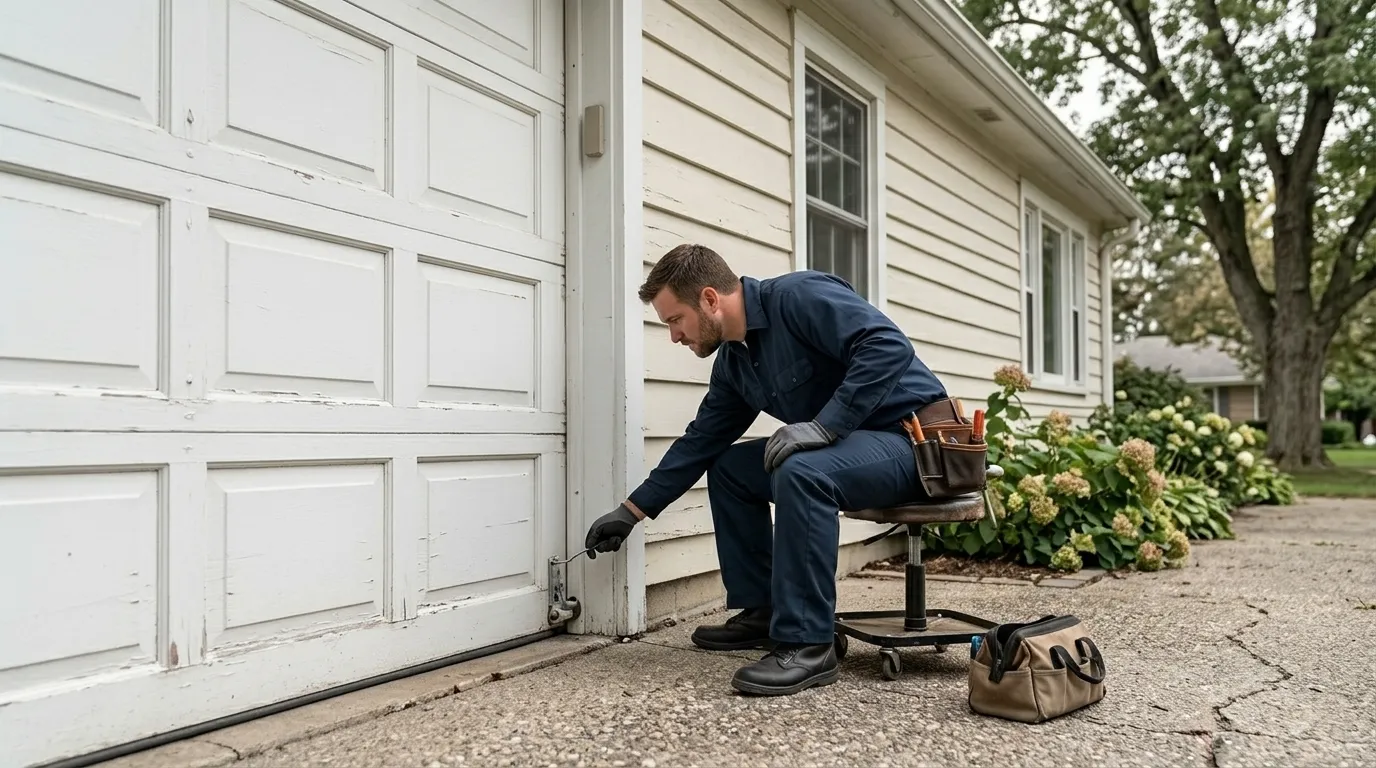
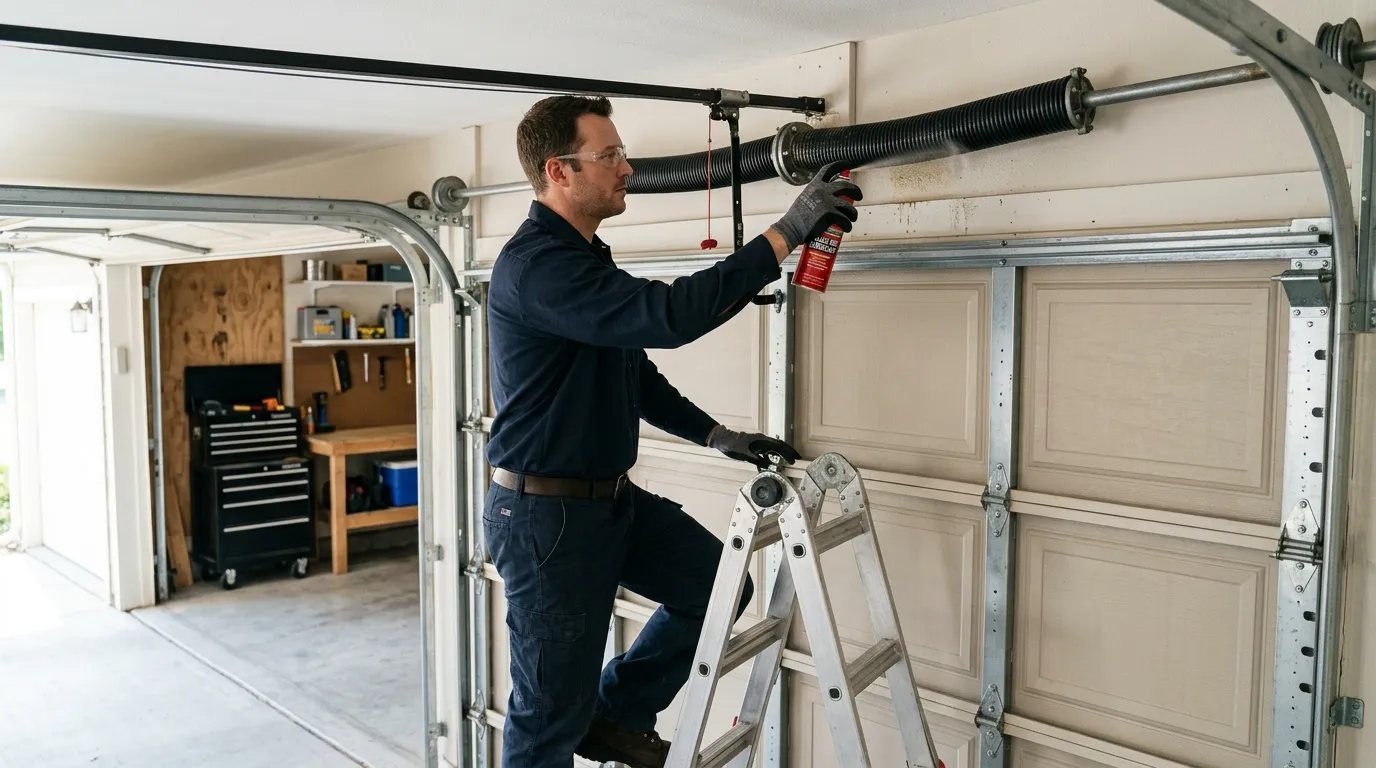
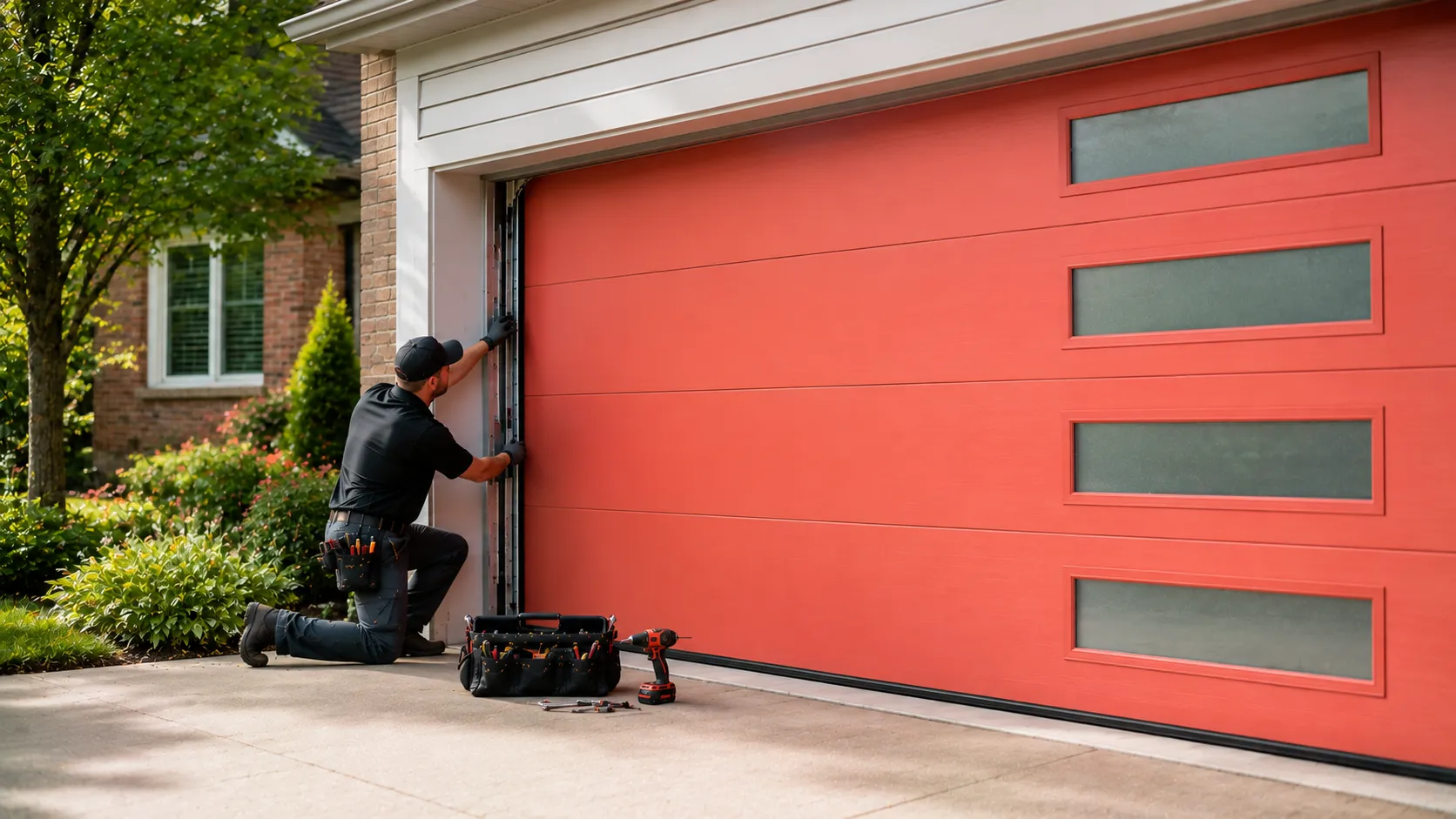
A lot of the torsion hardware on Prichard garages has never been touched since the house went up. Median year built here runs around 1967, well ahead of the 1980s-90s stock that fills most of the rest of the service area, so when a spring finally goes, it's often the original one - sized for a door that's been repainted or replaced once, sometimes twice, since. The fix is straightforward on paper: unwind and pull the broken spring, measure the wire gauge and wind count off the drum and shaft, order a matched pair if the other side is close behind, and set torque with winding bars, not guesswork. What changes house to house is the shaft. On a house this old the bearing plates and center bracket have usually never been swapped, and rust or wear there can turn a spring job into a bracket job. We check that before we quote anything, because a spring alone doesn't fix a bent shaft. We don't stock every obsolete drum size on the truck - if the hardware is a discontinued width, that's a return trip, and we say so up front rather than force a part that doesn't fit.
What Causes It Around Here
Springs fail from cycle count and from metal fatigue, and a door built when Lyndon Johnson was president has had a long run at both. The climate here is mild with the occasional freeze, which isn't hard on steel the way a true winter is, but it does mean humidity swings - damp mornings, hot afternoons - and that speeds up surface rust on a spring coil that's forty-plus years old and was never lubricated on schedule. Add a door that's seen a few repaints and maybe a heavier insulated replacement panel somewhere along the way, and the original spring is carrying more weight than it was wound for. That's the pattern we see on these older Prichard doors more than anything dramatic: not one bad day, just decades of a spring doing a job it was never resized for.
How It Shows Up
The door won't lift, or it lifts a few inches and stalls - that's the spring giving out and the opener trying to do a job it was never built to do alone. Sometimes it's a loud bang from the garage, metal on metal, and that's usually the spring itself snapping under tension. On older torsion setups like the ones common on Prichard's 1967-era builds, you'll also sometimes see the door go noticeably heavier over a few weeks before it fails outright - a slow give as the coil fatigues rather than a sudden break. Either way, don't try to lift it by hand past the point it stops moving on its own. A spring under tension, even a failing one, can do real damage.