What the Fix Involves
Prichard sits 18 miles from our Daphne shop, which puts it on the far edge of our coverage map, in the same range as Satsuma, all sitting around 19 miles out. That trip matters for how we plan an install day here: we load the truck for the job before we leave, because there's no running back for a part we forgot.
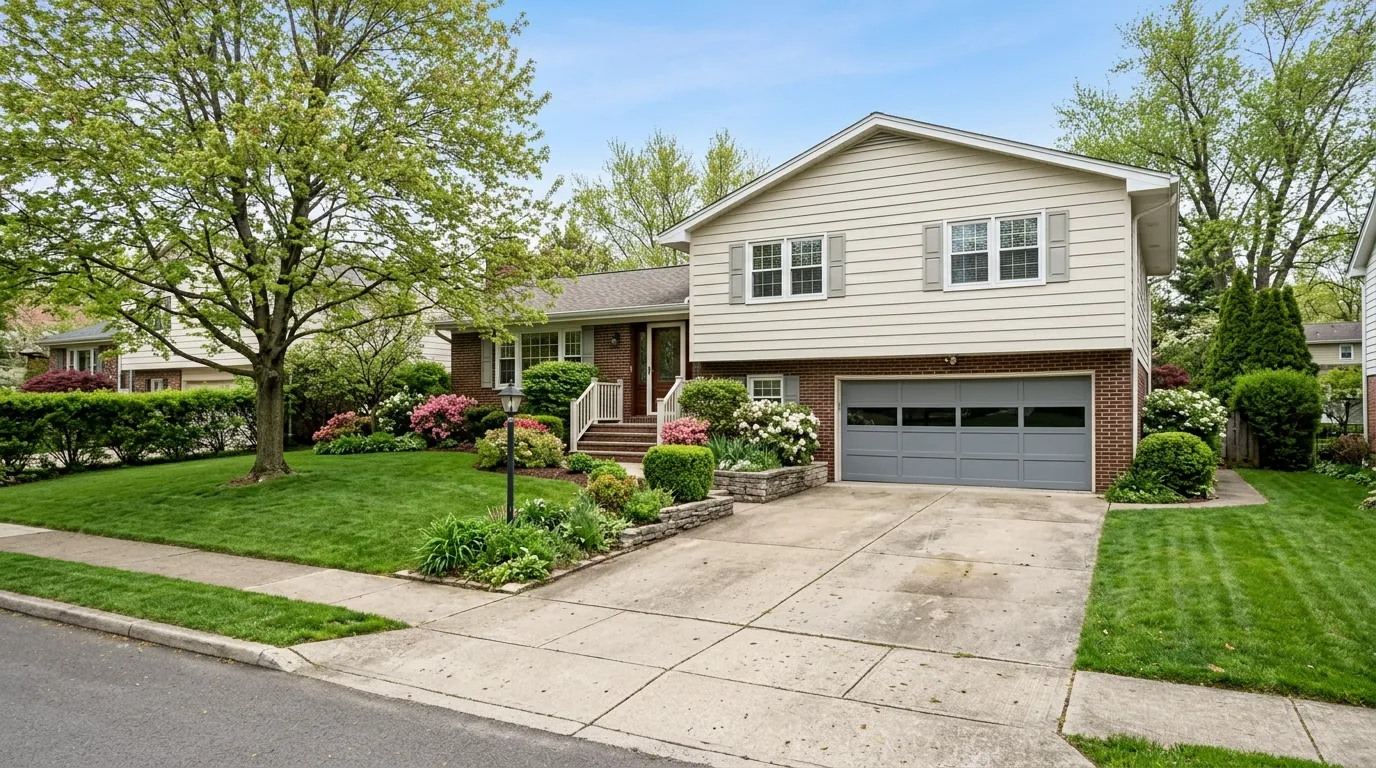
A new door install in Prichard usually means pulling out hardware that's older than what we see closer to Daphne. The median home here was built in 1967, a couple of decades ahead of the 1990 median across the rest of the service area. That means original track, jamb brackets, and sometimes a header that was never squared for anything but the door the builder hung. We measure the opening fresh rather than assume it matches a stock size, because framing from that era doesn't always match what a new door ships with off the shelf.
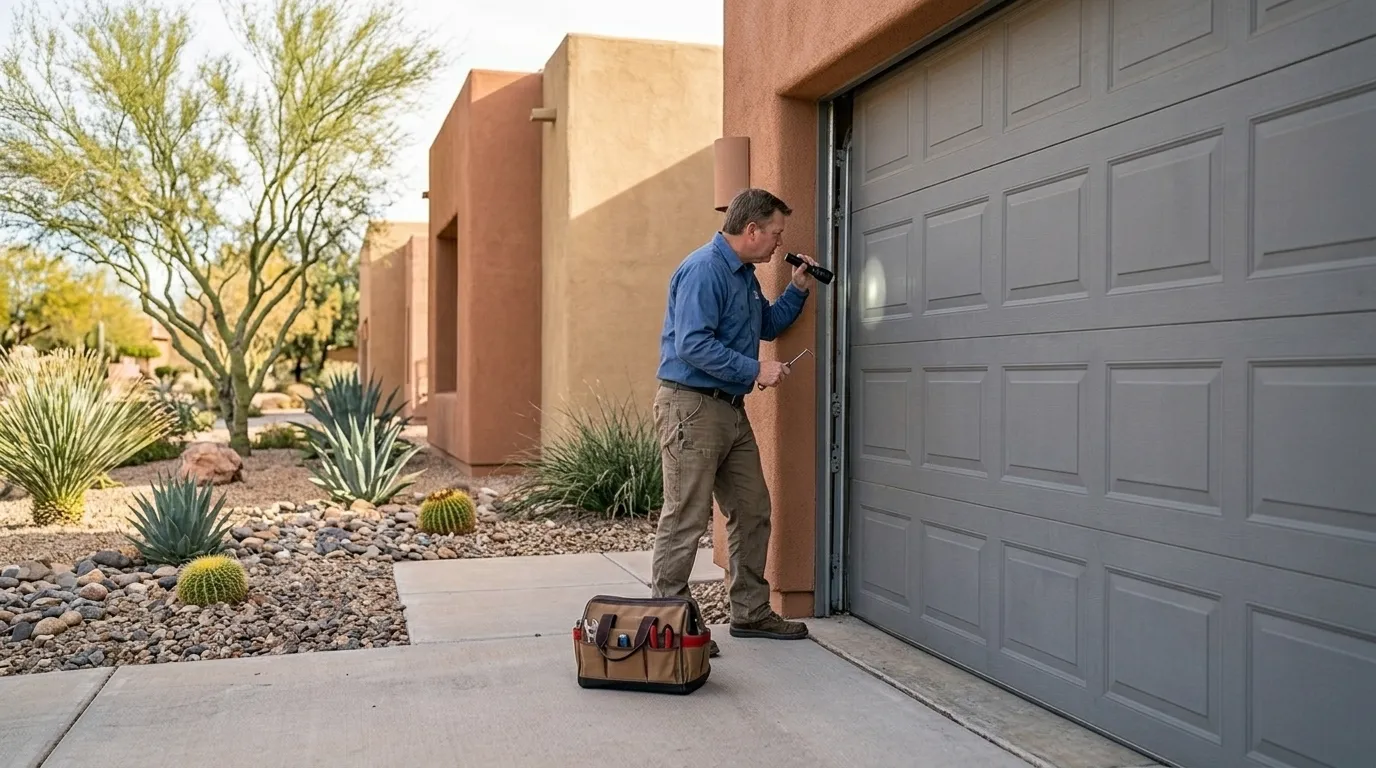
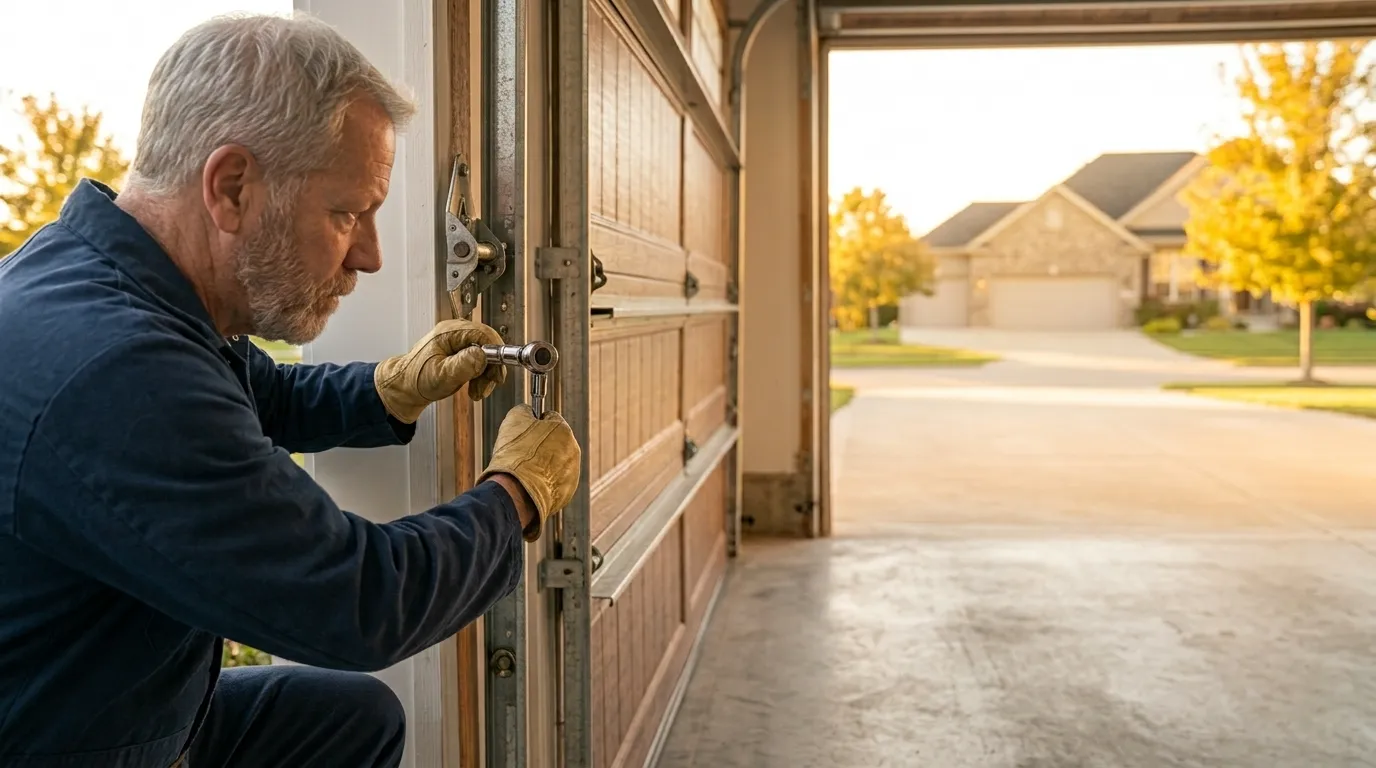
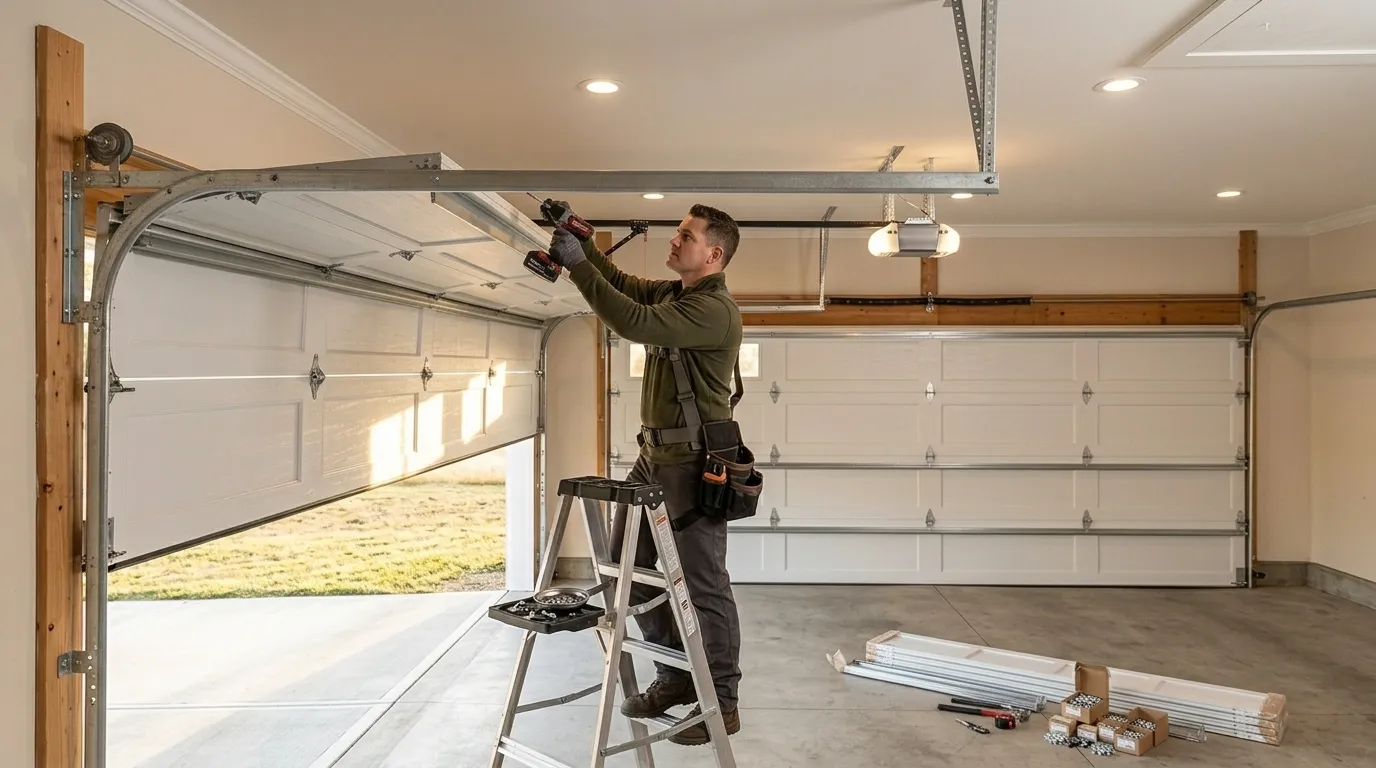
We pull the old door and track completely, reframe the opening if the jamb has settled, and set new track and hardware sized to the door going in, not the one coming out.
What Causes It Around Here
Two things push Prichard homeowners toward a new install rather than a repair: the age of the door itself and the age of the house around it. With a median build year of 1967, a lot of the original one-piece and early sectional doors in this area are well past the point where parts are worth chasing down. Steel doors from that era were single-layer, uninsulated, and heavier per square foot than what's made now, which is hard on an opener that's already been swapped out once or twice.
Climate here is mild with occasional freeze, so we're not dealing with the swelling and cracking that comes with hard freeze-thaw cycles, but decades of humidity still take a toll on old wood-panel doors and unpainted steel edges.
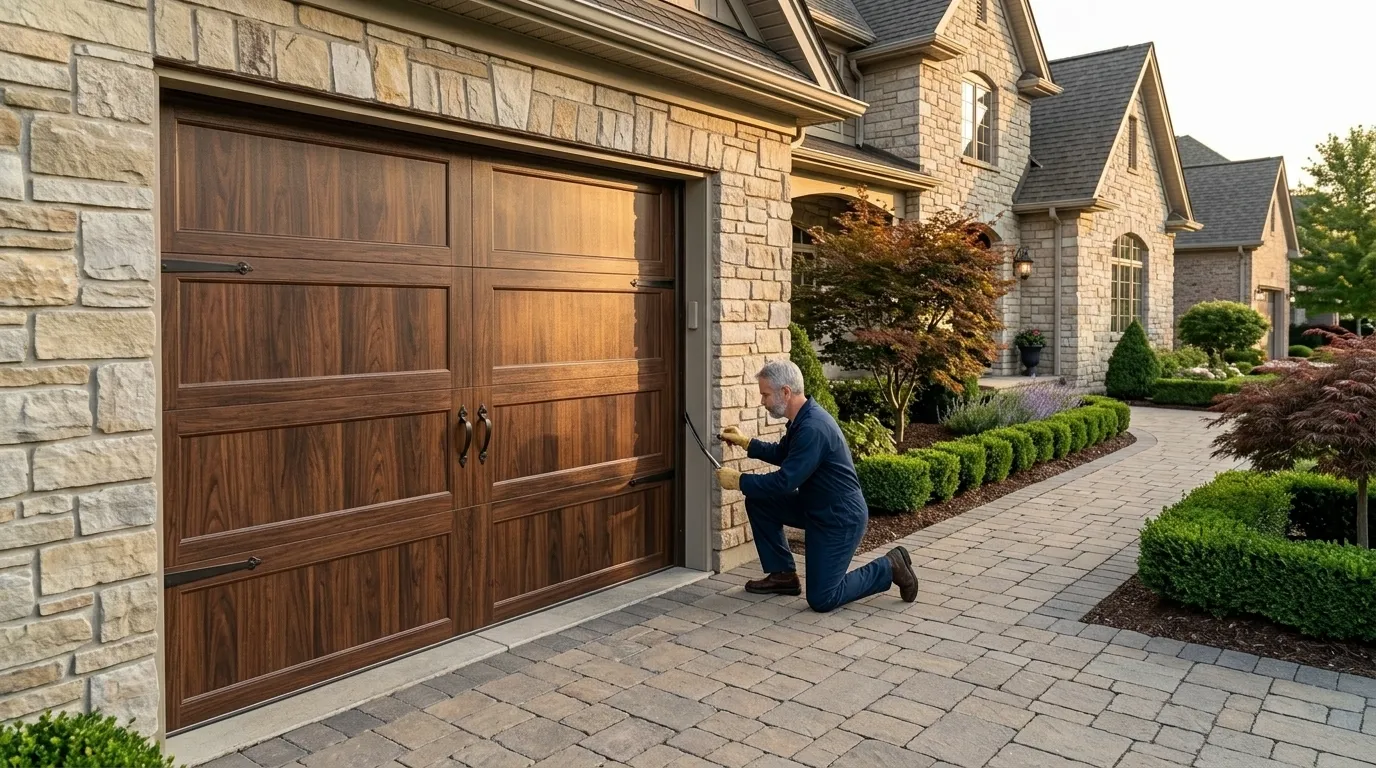
Budget is a real factor in the decision here too. Prichard's median household income is $35,331, well under the $60,922 median across the rest of our coverage area, and that shapes which doors we spec and how often a homeowner chooses a straightforward steel replacement over a custom carriage-style door. We work with that instead of pushing a door line built for a different budget.
How It Shows Up
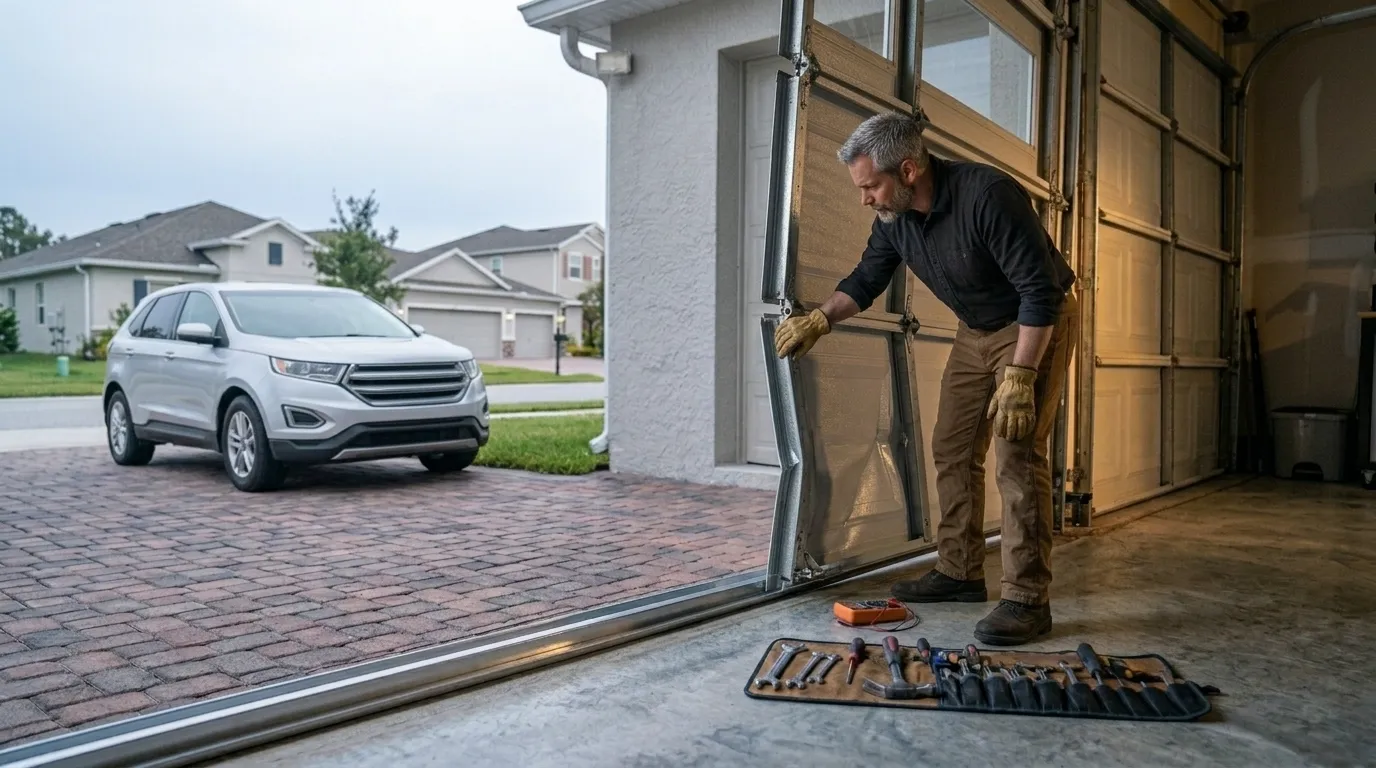
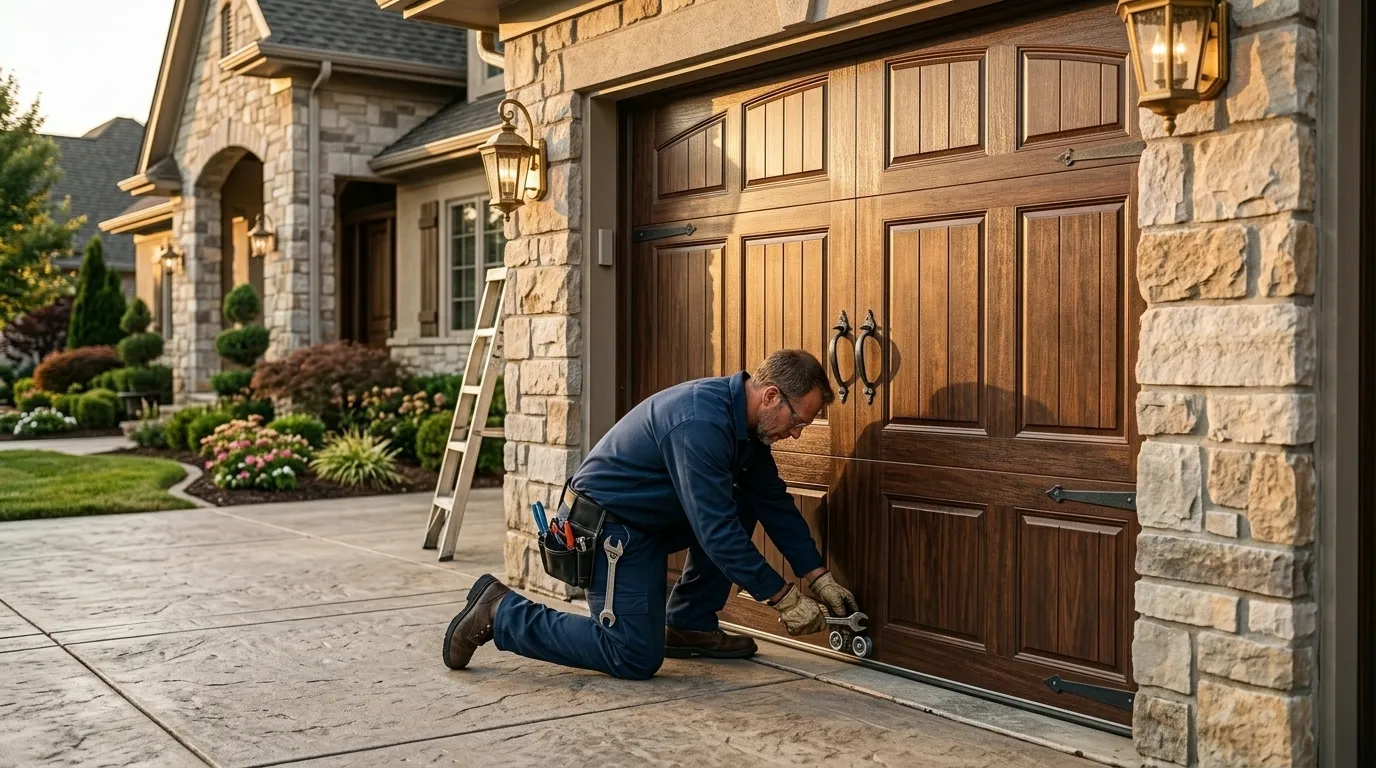
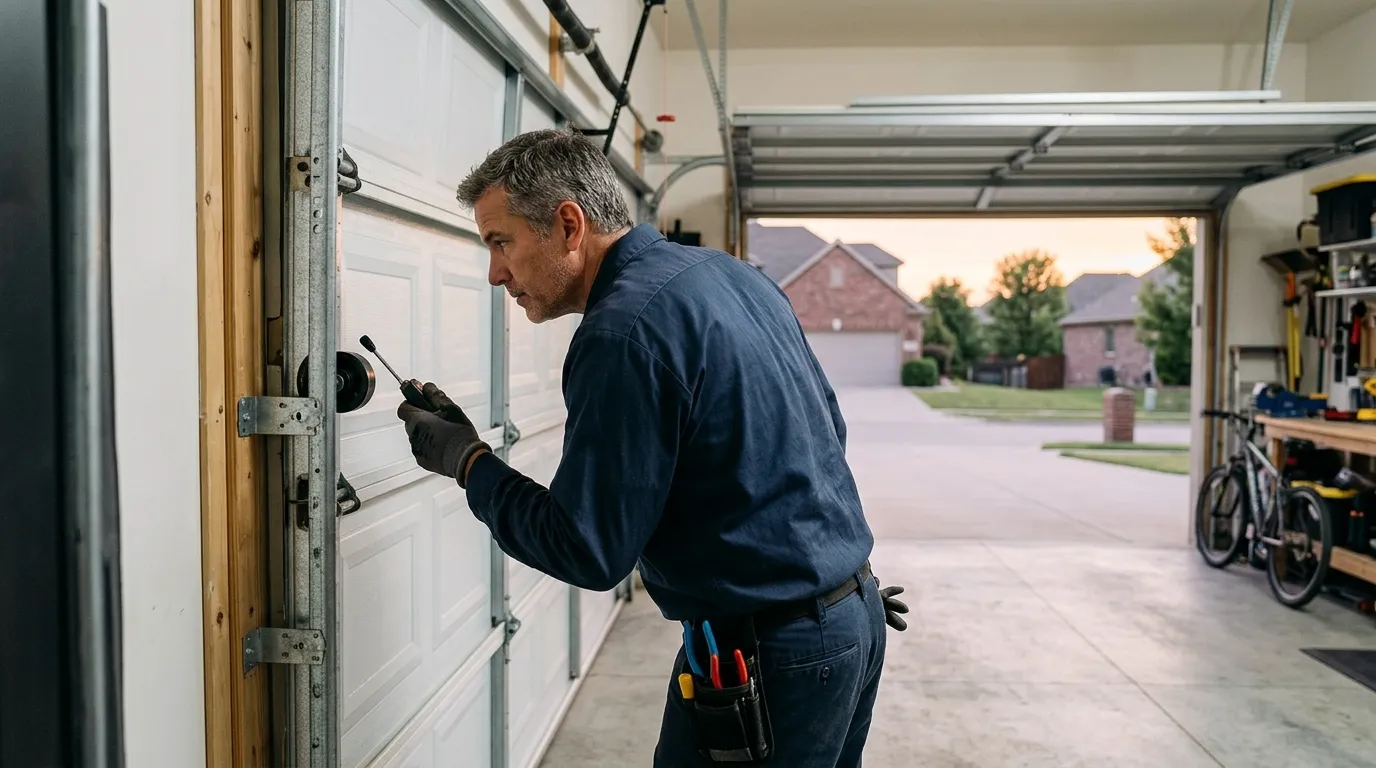
On a house built around 1967, the signs that it's time for a new door instead of another repair usually show up together. The panel seams rust through from the inside first, where humidity sits against uninsulated steel. The bottom section warps enough that the weather seal stops sealing, even after you replace it. And the track, original to the house, has enough play in the brackets that the door walks sideways when the opener pulls it.
With 6,720 households in Prichard, a good share of them are still running the door that came with the house or the one that replaced it decades back. If your opener is straining, cycling slower than it used to, or reversing partway up, that's often the door telling you it's heavier or more out of square than the opener was built to handle, not a sign the opener itself is failing.
If you're not sure whether you're looking at a repair or a replacement, we'll tell you straight which one it is when we're there. See our Prichard coverage page or check what a full install day at your address looks like through our Daphne installation page.