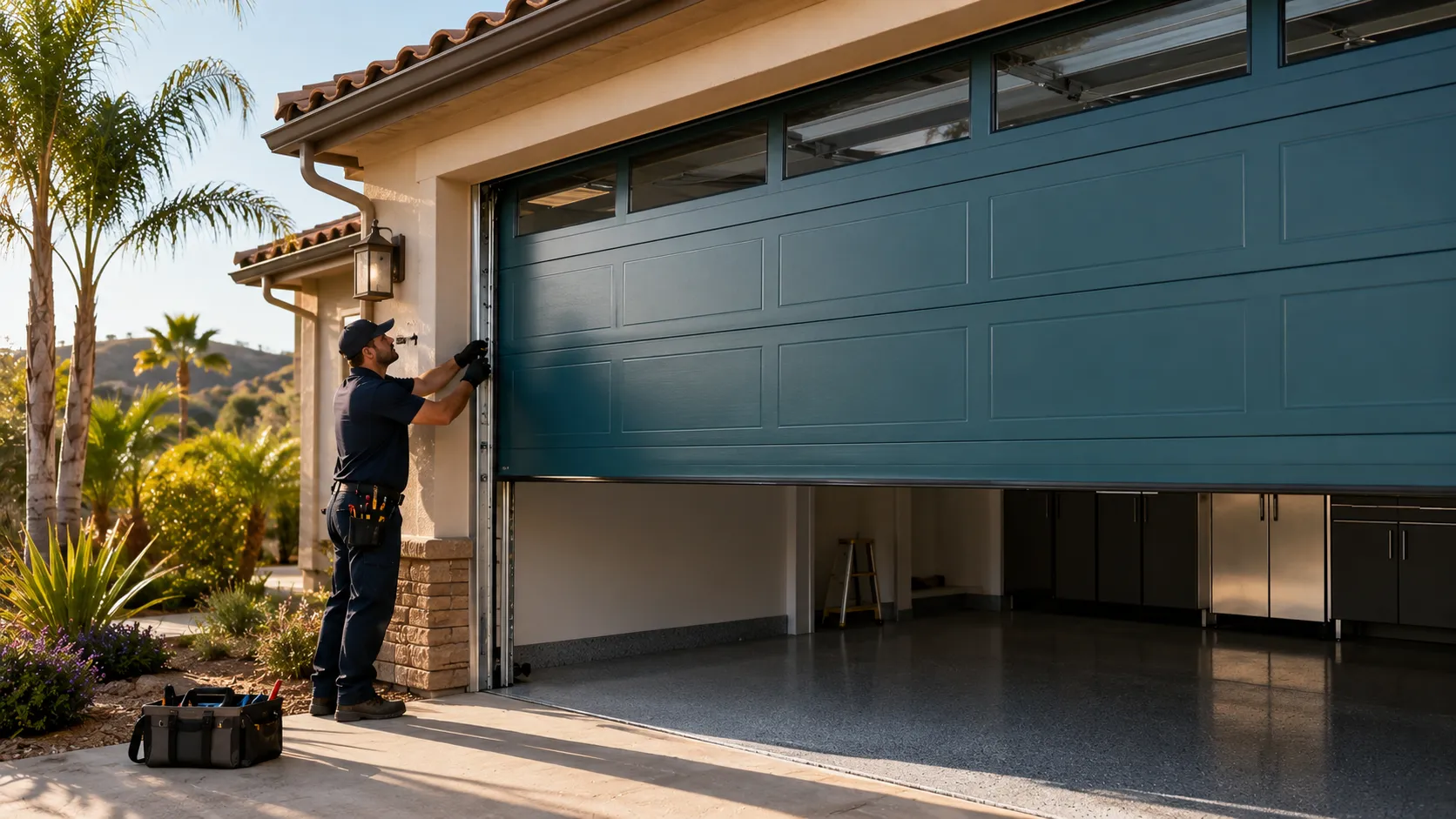
What the Fix Involves
Prichard has around 6,720 households, which is a smaller pool of houses than some of the towns we cover, and it changes what an emergency call actually looks like out here. We're not chasing dozens of jobs a day in this one town - we're driving out from Daphne, about 18 miles away, for the specific failure in front of us: a torsion spring that's let go, a cable that's jumped the drum, an opener that's stopped answering the wall switch, or a door that's come off a roller and is jammed half-open.
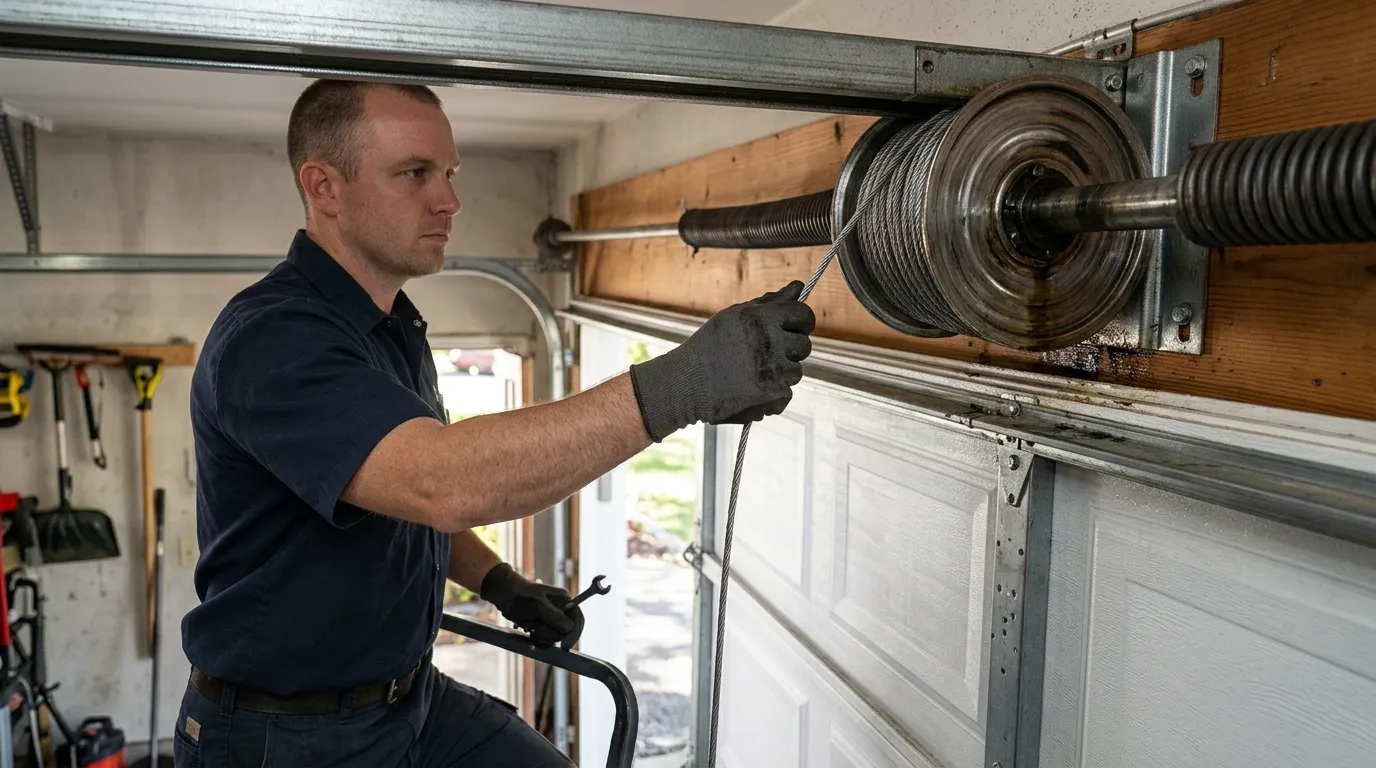
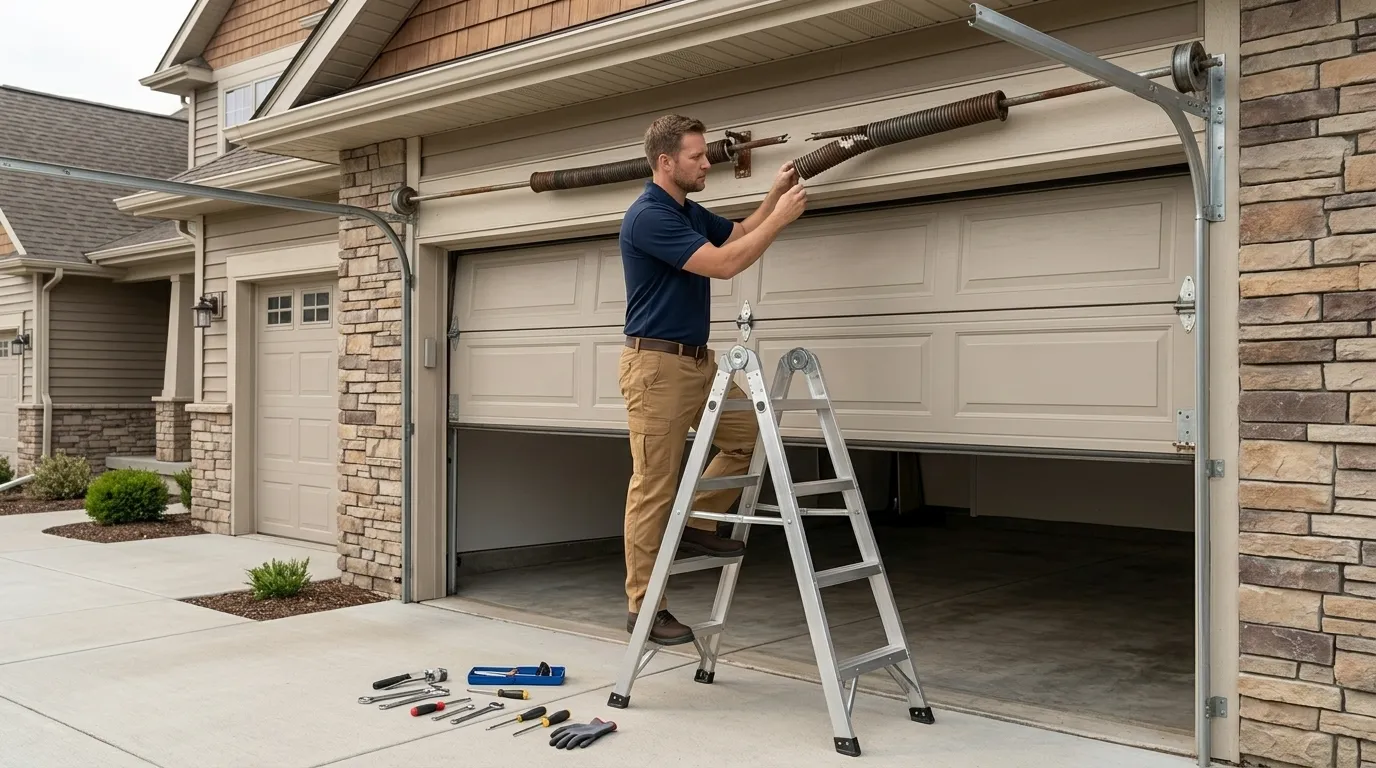
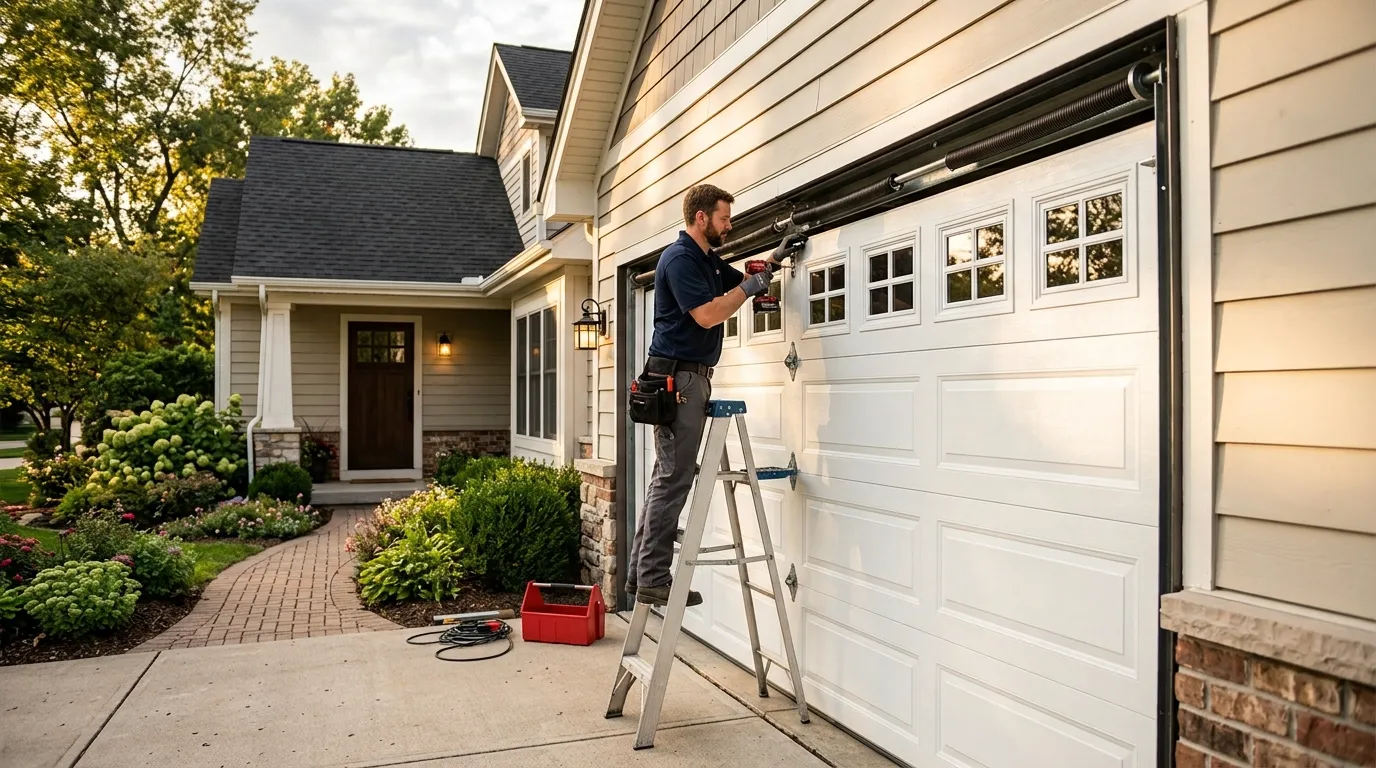
Most emergency fixes start the same way regardless of the cause - we get the door safe first. If a spring has snapped, that means securing the door so it can't fall while we source a matching spring for the size and lift weight on your track. If it's a cable or roller failure, that's often a same-visit fix once we've confirmed nothing else in the system took damage when it happened. Opener failures are their own category - sometimes it's the logic board, sometimes it's just a burnt-out capacitor, and we won't know which until we're standing at the unit.
One honest limit: if a part isn't something we carry on the truck for an older or discontinued opener, that visit gets the door safe and functional by hand, and the exact part gets ordered for a follow-up. We'd rather tell you that up front than promise a same-visit fix we can't back up.
What Causes It Around Here
The median year built in Prichard runs around 1967, which is older than a lot of the newer subdivisions elsewhere in the service area, where stock tends to run 1980s-1990s construction. That age gap matters for garage doors specifically. A door and track system installed in the late 1960s was built to different spring tension standards, and by now most of those original systems have been through at least one replacement spring, sometimes with a spring that wasn't quite matched to the door's actual weight. That mismatch is a common cause of a spring failing well before it should.
Household income in Prichard runs lower than the wider service area's median of $60,922 - the town's own figure sits around $35,331 - and what we see on calls here tracks with that: more doors running on original or older secondary hardware, repaired piecemeal over the years rather than replaced as a full system. That's not a knock on anyone's maintenance; it's just what happens when a part still works well enough to put off swapping the whole unit.
Climate-wise, the area sits in a mild band with occasional freeze risk, which isn't the extreme swing that cracks metal outright, but repeated freeze-thaw cycles on aging steel tracks and hinges do add up over forty-plus years, and that's a slower, quieter cause of failure than a single dramatic event.
How It Shows Up
In houses of this era, the failure usually announces itself the same handful of ways. A spring going tells you loudly - a bang from the garage, and then the door either won't budge or feels like it weighs twice what it should when you try to lift it by hand. A cable failure looks different: the door drops unevenly, tilting to one side as it comes down, or it stops partway and won't complete the cycle.
Opener failures on older systems tend to be quieter. The wall switch does nothing, the remote does nothing, but the motor unit sometimes hums without moving the door - that's usually a capacitor, not the motor itself, and it's worth mentioning because a full opener swap isn't always necessary just because the door won't respond.
A door that's come off a roller usually shows up as a scraping or grinding sound low on the track, paired with the door refusing to travel smoothly past a certain point. None of these are urgent life-safety issues most of the time, but a door stuck open is a security gap and a door stuck shut with a car inside is a real inconvenience - either one is worth the call rather than waiting.