What the Fix Involves
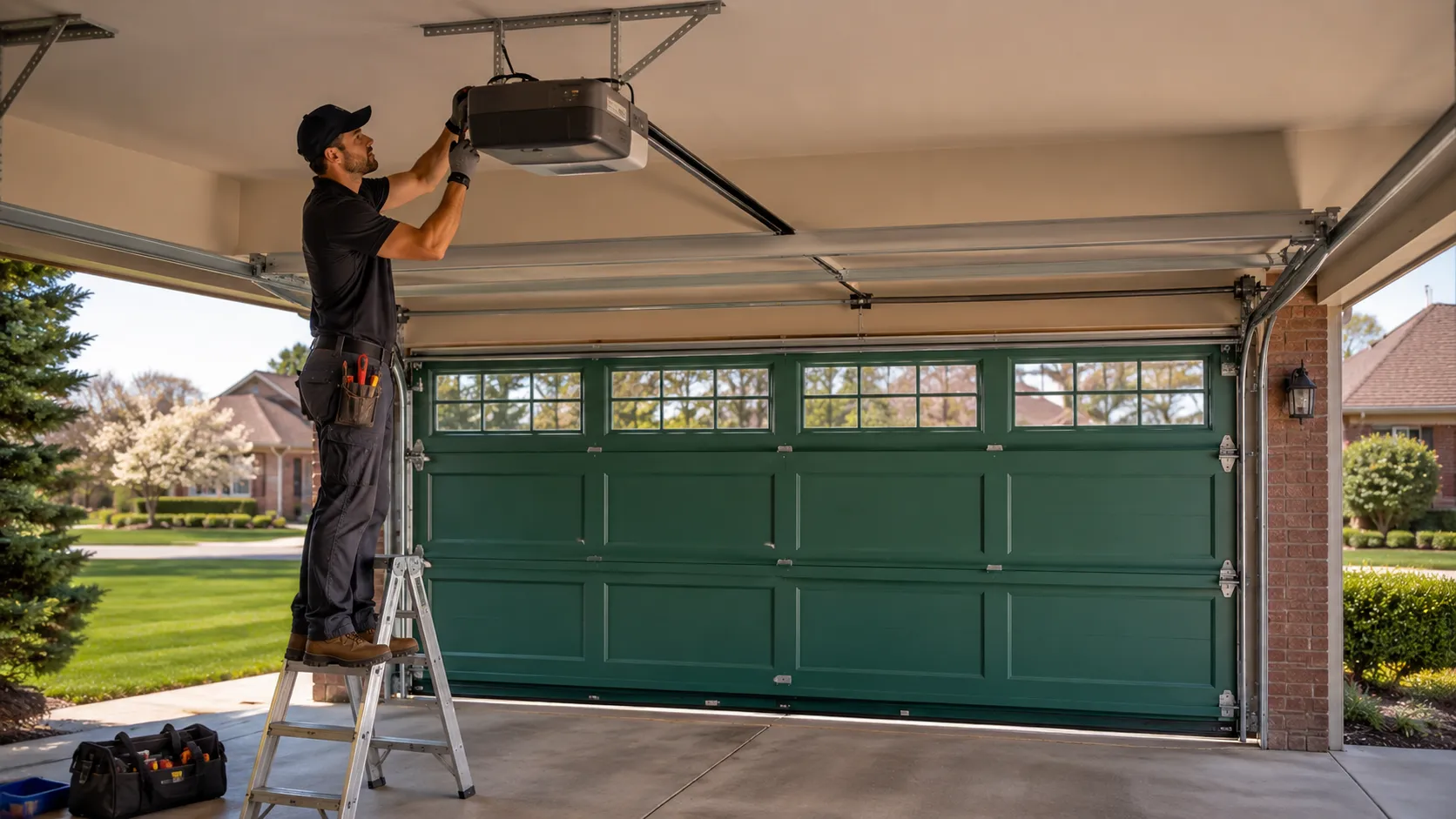
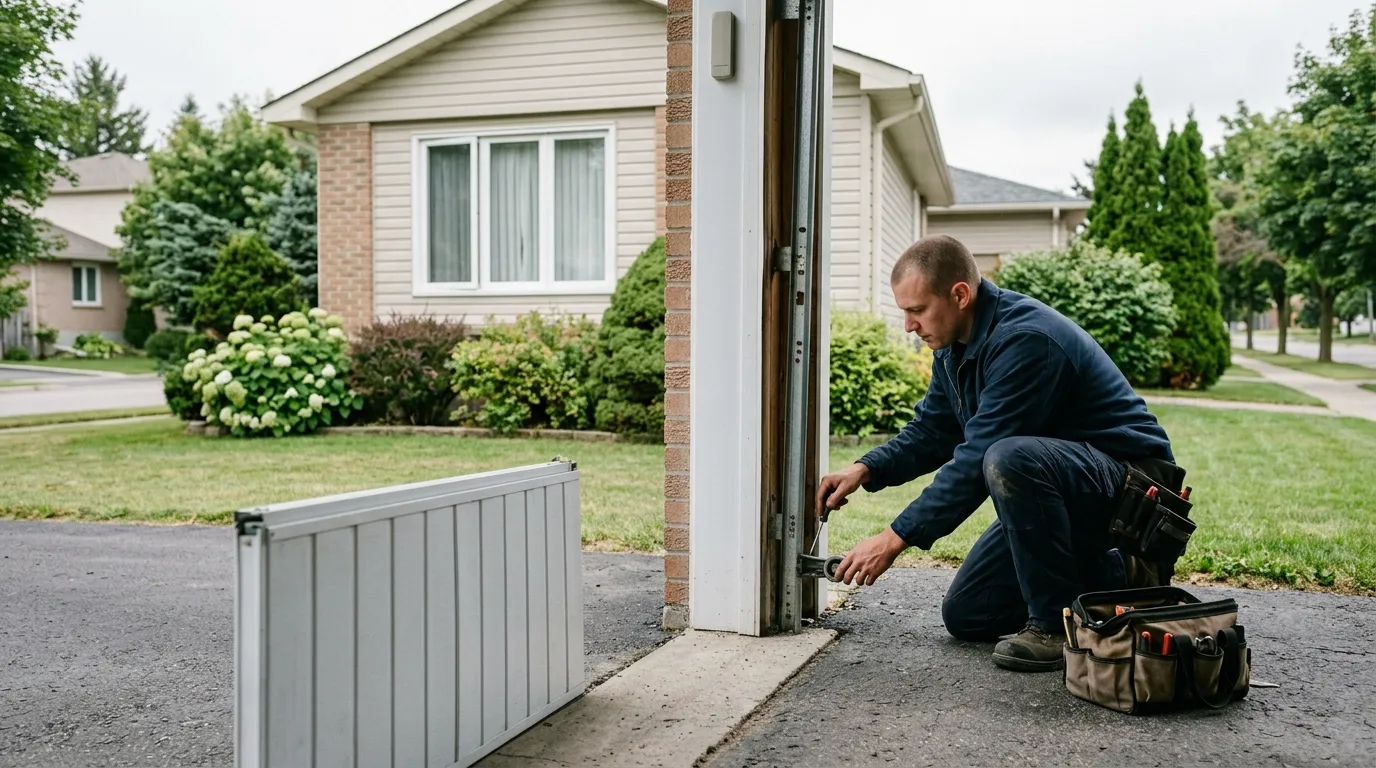
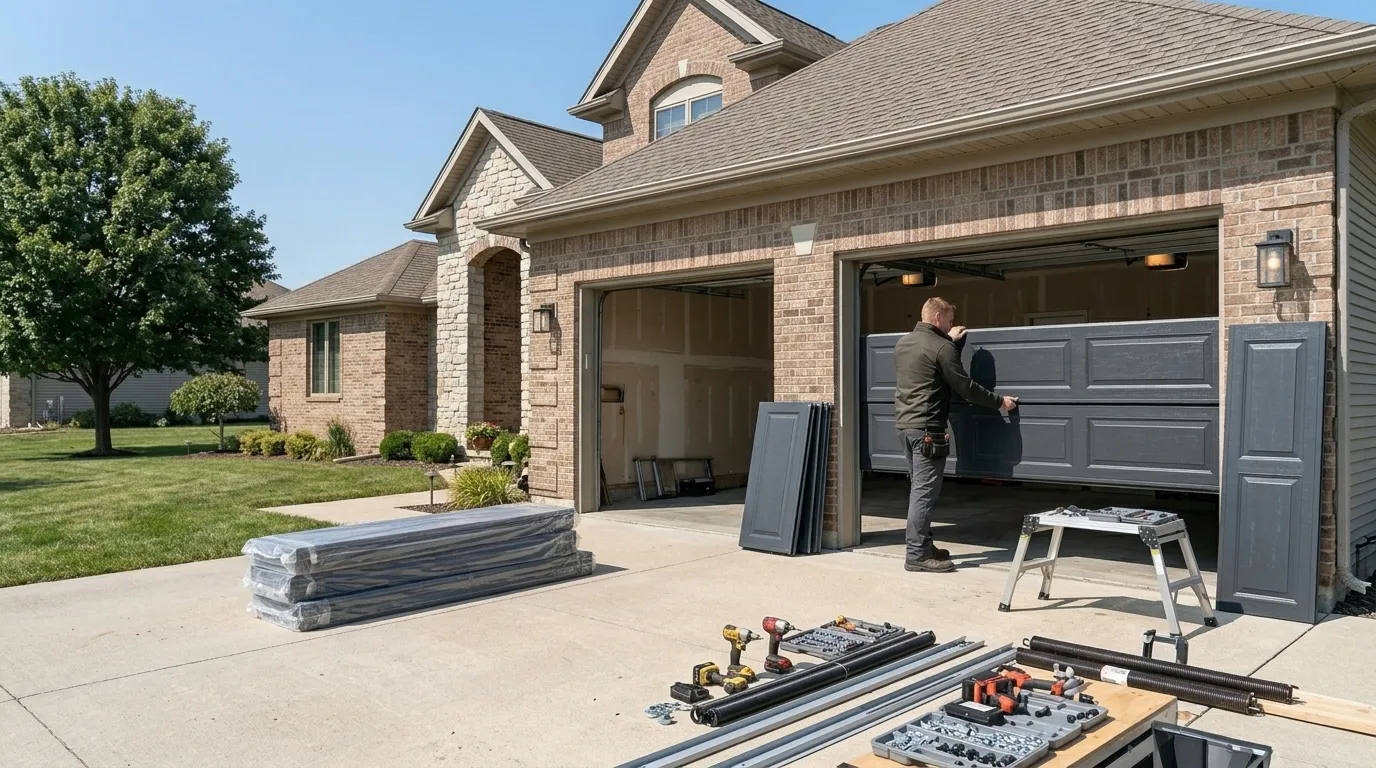
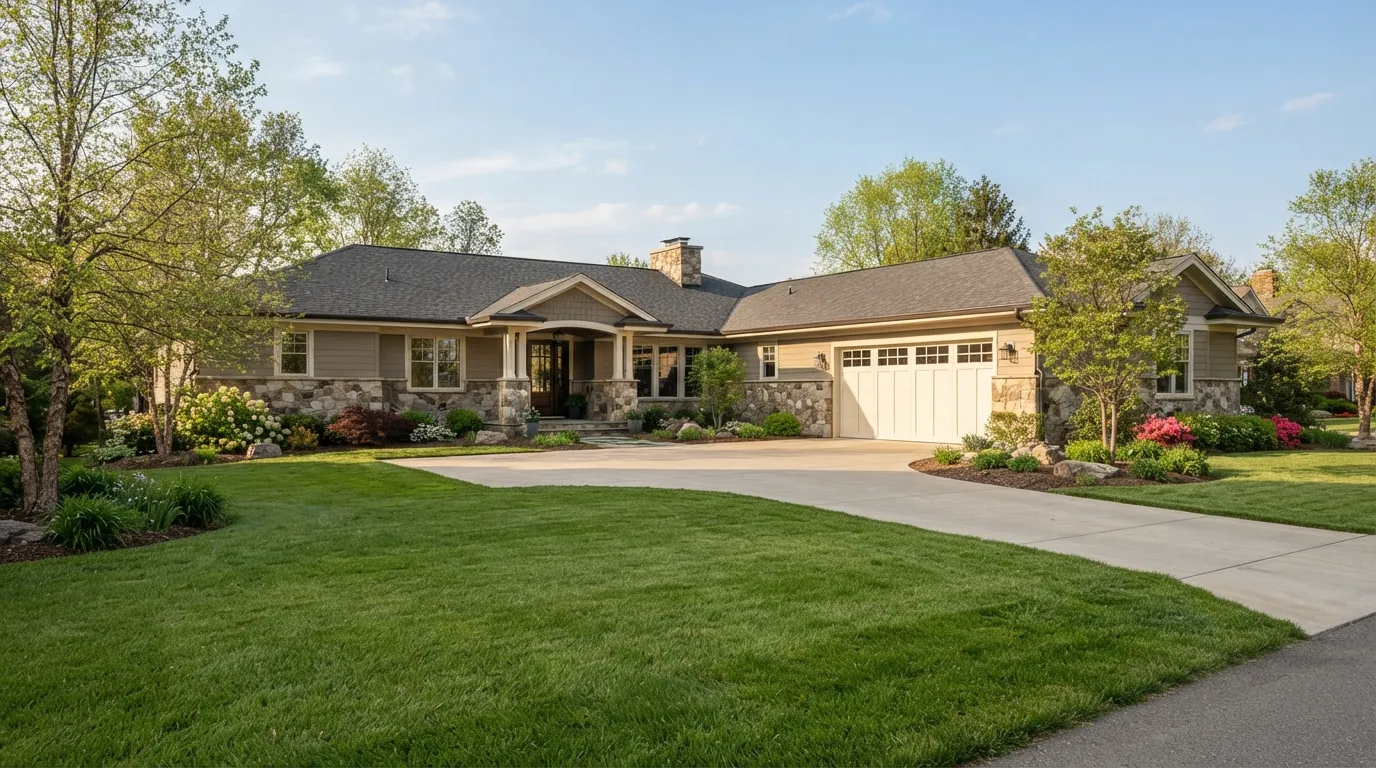
A panel replacement means swapping one damaged section of a sectional door without touching the rest - the track, the springs, the opener stay put if they're sound. On a lot of Prichard houses that's not as simple as it sounds. Homes here were mostly built around 1967, which puts a good number of garage doors at or near their second or third door in the opening's lifetime, and the panel profiles from that era don't always match what's on the shelf at a supply house today.
If the door is an older steel sectional with a discontinued panel width, we order a compatible section rather than force-fit something close. If the whole door has faded or dented enough that one new panel would look like a patch, we say so - sometimes a single panel swap is the wrong call and a full door makes more financial sense over time. We don't push a bigger job just because we're already there.
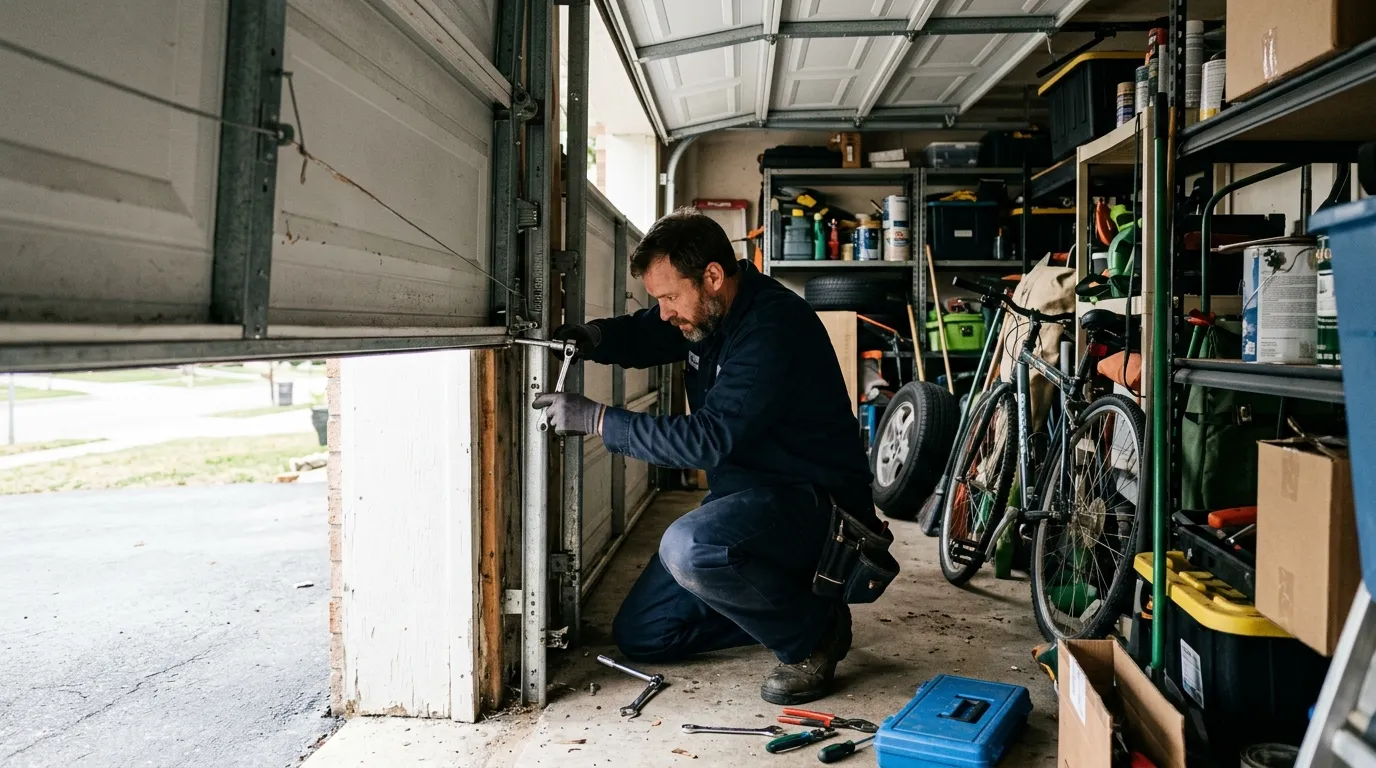
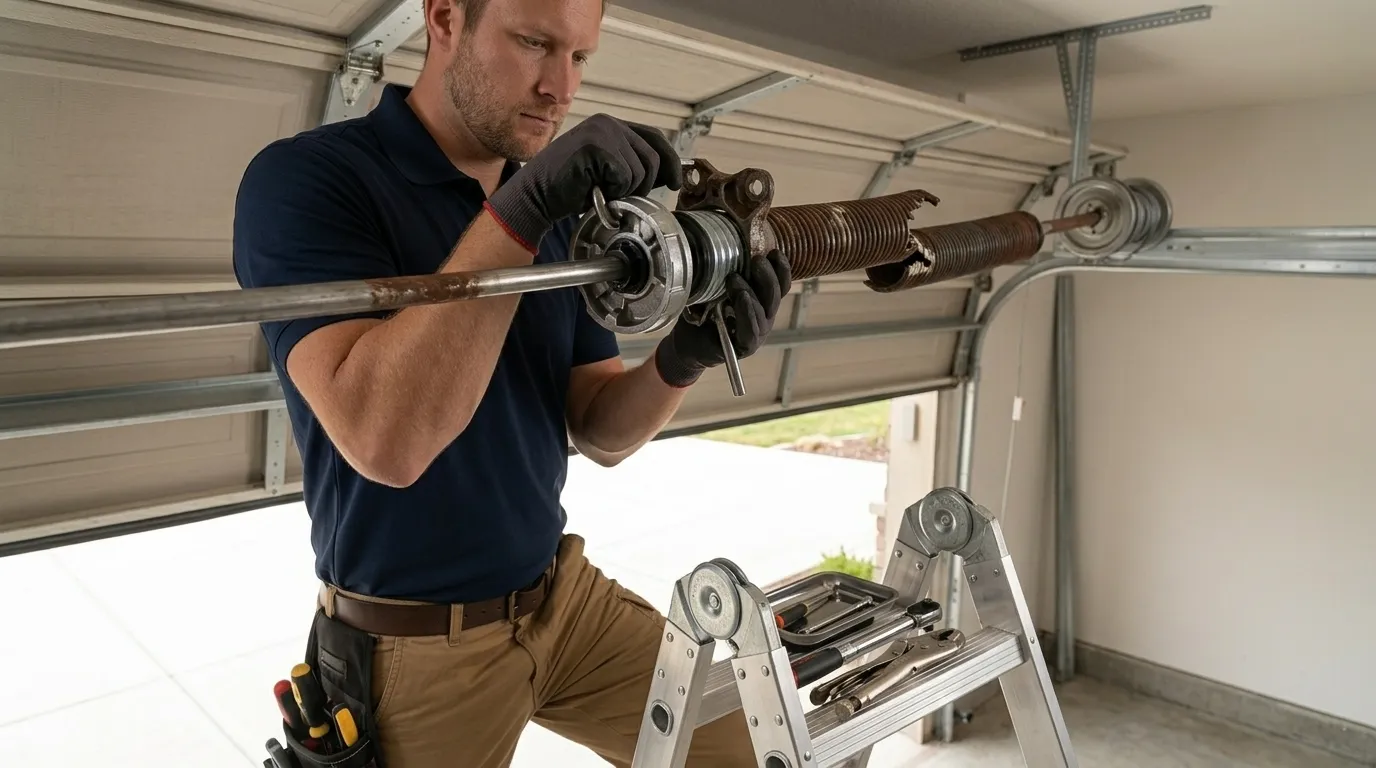
Hardware condition matters too. On a house this age, hinges and rollers on the panel next to the damaged one are often original or close to it, and pulling one section can put stress on already-worn parts nearby. We check that before we quote, not after.
What Causes It Around Here
Around Prichard, the two most common panel failures we see are impact damage - a car bumper, a trailer hitch, a stray basketball hoop pole - and long-term buckling from moisture. The climate here runs mild with occasional freeze, so it's not extreme cold that cracks these panels; it's decades of humidity cycling through steel or old aluminum skins that were never fully sealed at the seams. On a door installed when the house went up in the late 1960s, that adds up to a lot of freeze-thaw and damp seasons working on the same six or seven panels.
We also see denting from doors that were never quite balanced right to begin with - a spring that's slightly too strong or weak puts uneven pressure on the bottom panel every time it closes, and over years that shows up as a warped section long before the rest of the door looks tired.
How It Shows Up
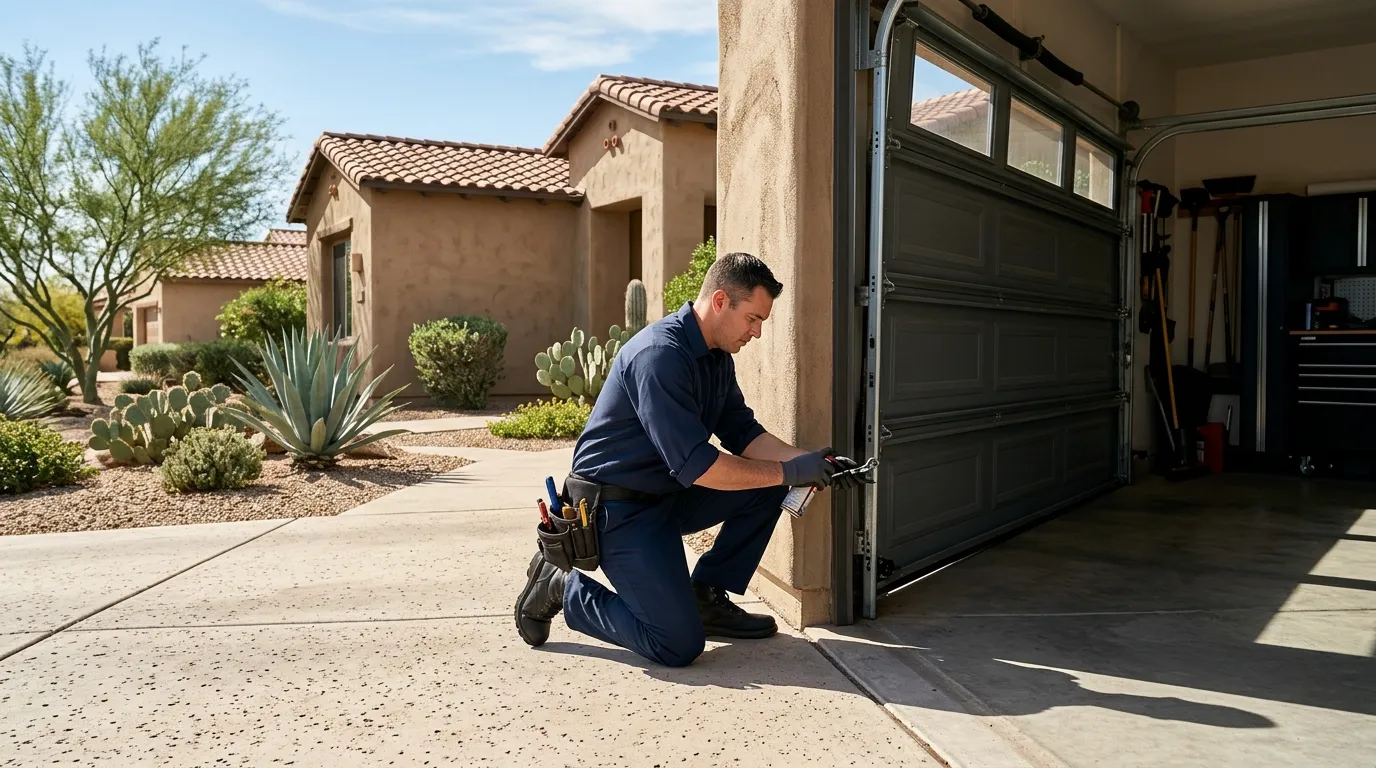
Homeowners usually notice one of three things: a visible dent or crease in a single section, daylight or a draft coming through a warped seam, or a scraping sound as the door travels past the damaged spot. On the older stock common in Prichard, we also see hairline cracks along panel ribs that don't show until the door's been open and shut a few thousand times - the metal's just tired.
Given the median income here runs lower than other parts of our coverage area, we quote panel-only repairs first and only bring up full replacement if the door's condition or age makes that the more honest answer. Across the wider service area we cover roughly 43,514 households, and pricing scales with the actual job, not a flat rate for the neighborhood.