What the Fix Involves
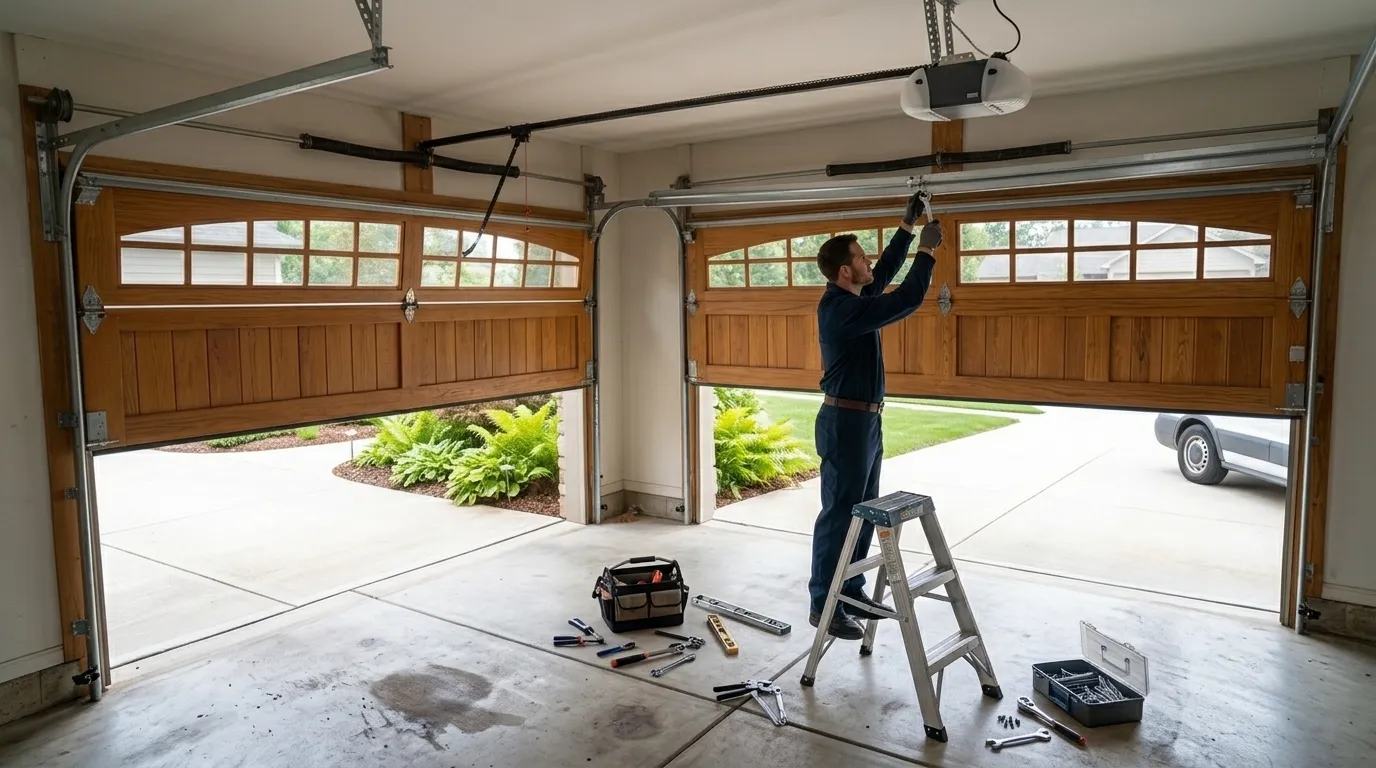
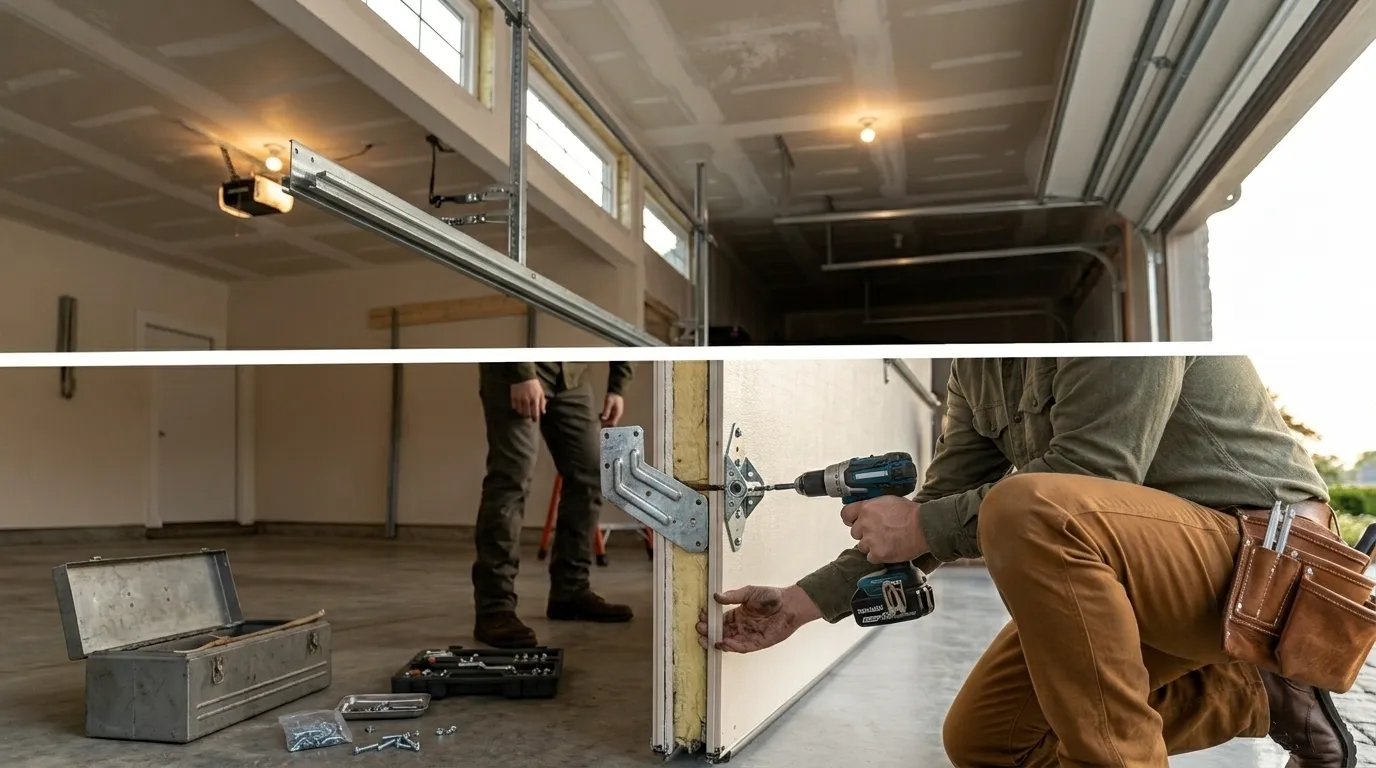
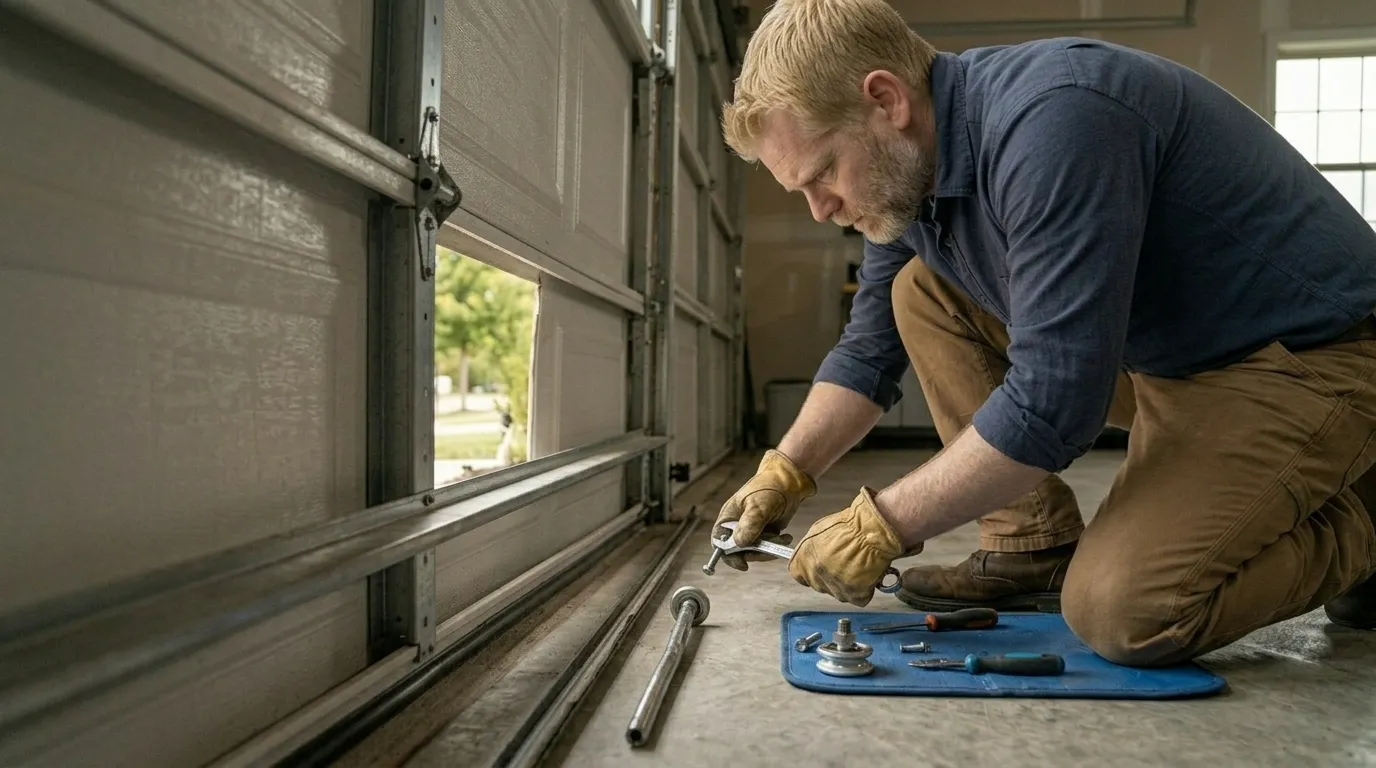
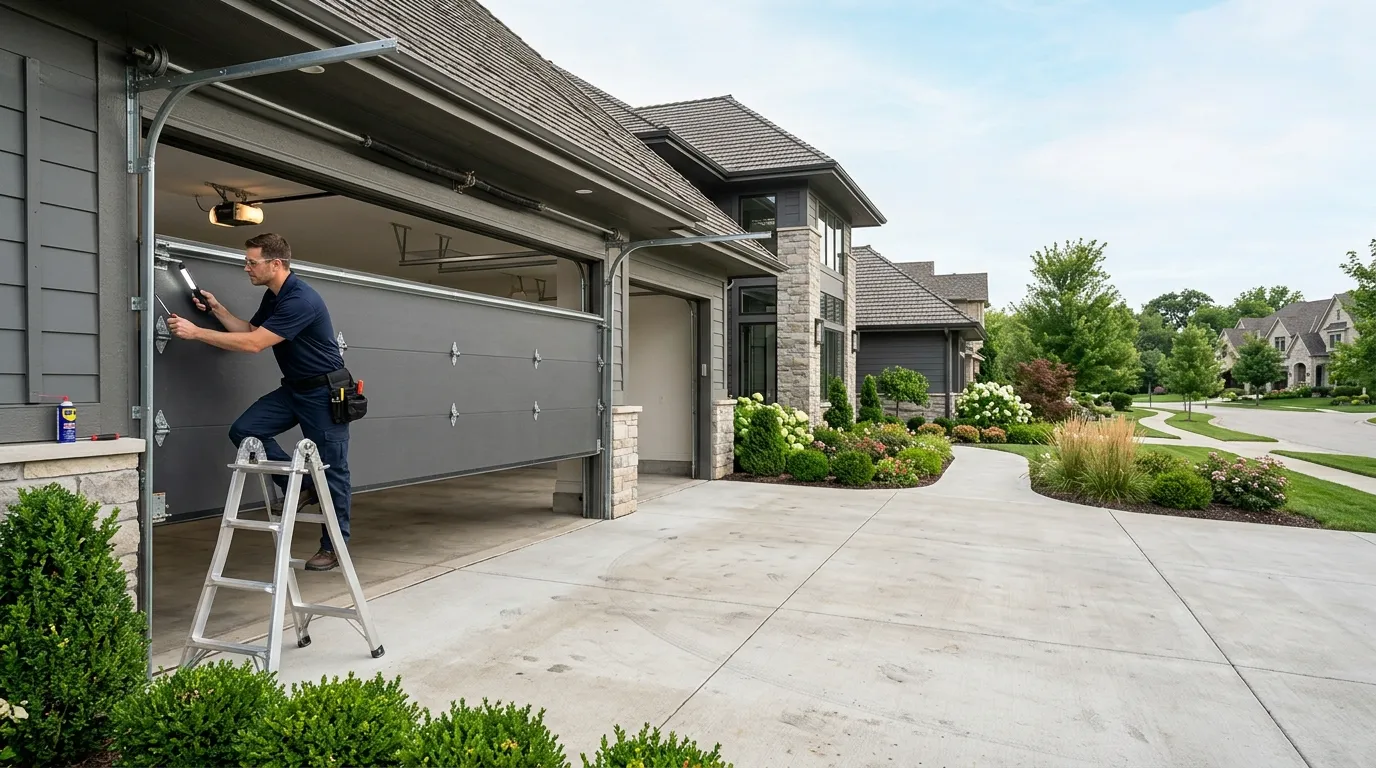
Most houses in Prichard went up around 1967, which puts this neighborhood well ahead of the 1990 median for our whole service area. That gap matters on a garage door call. A door installed in the late 1960s was almost always hung on extension springs mounted along the horizontal track, not the torsion bar setup that became standard in newer construction. When we get a call from this side of town, the fix usually starts with figuring out whether the original hardware is still in place or whether someone swapped in a torsion conversion at some point in the last few decades. Those two systems don't share parts, so the first ten minutes of any job is diagnosis, not repair. If it's original extension-spring hardware, we're often replacing both springs as a pair, checking the pulleys and cables they ride on, and inspecting the track for the kind of wear that comes from forty-plus years of daily use. If a torsion bar was added later, the job looks more like what we'd do on a newer door - spring replacement, drum check, cable tension. We don't guess which one it is over the phone; we look at the door first.
What Causes It Around Here
The climate here runs mild with occasional freezes, which isn't hard on doors the way a real winter is, but it still stiffens old lubricant and makes worn rollers bind rather than roll. On a door pushing fifty years old, that's often enough to snap a spring that was already fatigued. Household income in Prichard runs lower than the service-area median - $35,331 here versus roughly $60,922 across the wider coverage area - and that shapes the calls we get. More often than not, folks want the specific part fixed, not a full door swap, and on hardware this old that's usually the right call financially as long as the track and panels are sound. Where we do recommend replacement is when the door itself has racked out of square or the panels have rusted through at the bottom, which shows up more on doors that never had a torsion upgrade. We won't talk anyone into a new door just because the springs are original - if the door's straight and the track's clean, a spring and cable job gets another decade out of it.
How It Shows Up
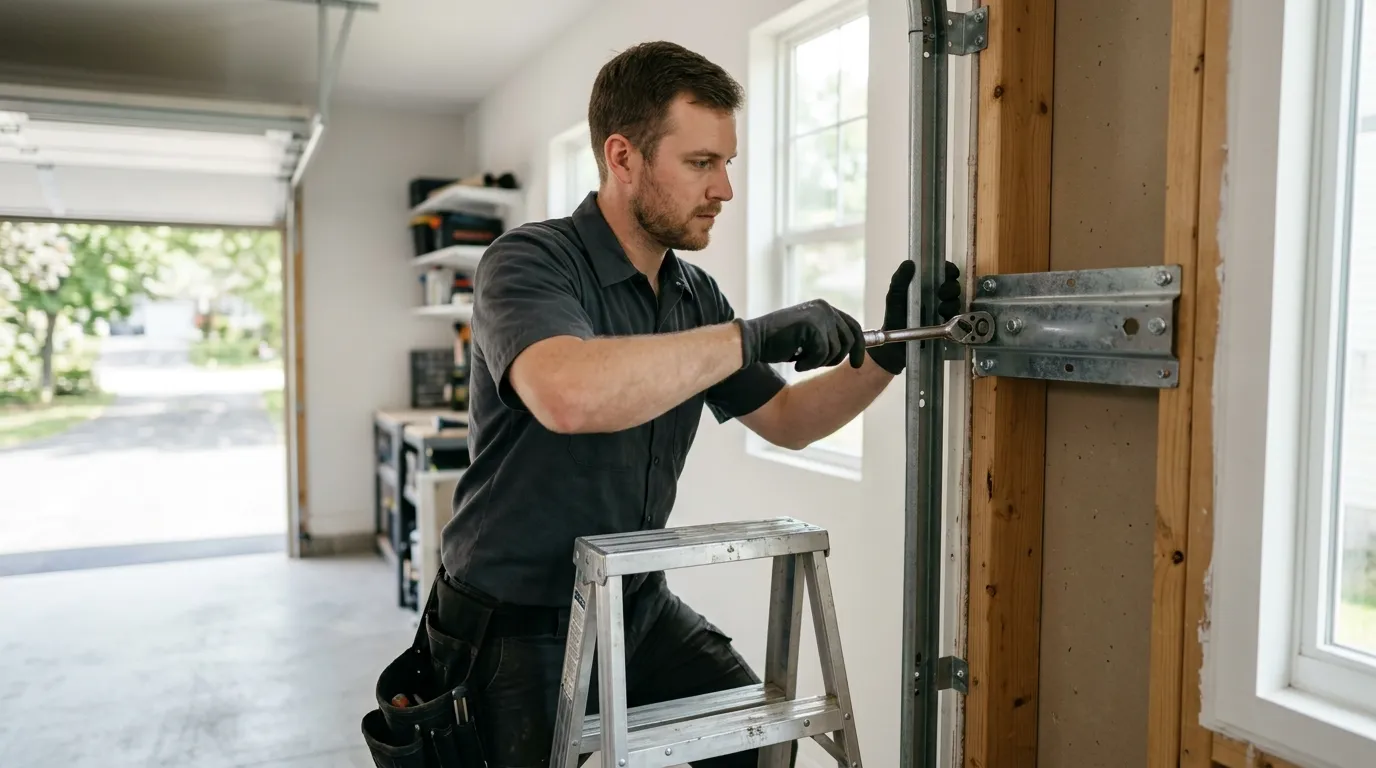
On a door this age, trouble usually announces itself as a loud bang or a door that won't budge past a few inches - that's a snapped extension spring, and it's the single most common call we get from this part of town. A door that opens crooked, dragging on one side, points to one spring going while its pair holds - original extension-spring systems almost never fail evenly. Slower symptoms include a door that feels heavier than it used to when lifted by hand, or an opener straining and reversing partway up; both usually mean the springs have lost tension gradually rather than snapping outright. We also see track separation on these older doors, since decades of vibration work the mounting brackets loose from the framing. None of these are urgent enough to risk fixing yourself with a door this size and weight - a loaded extension spring under tension is not a DIY repair.