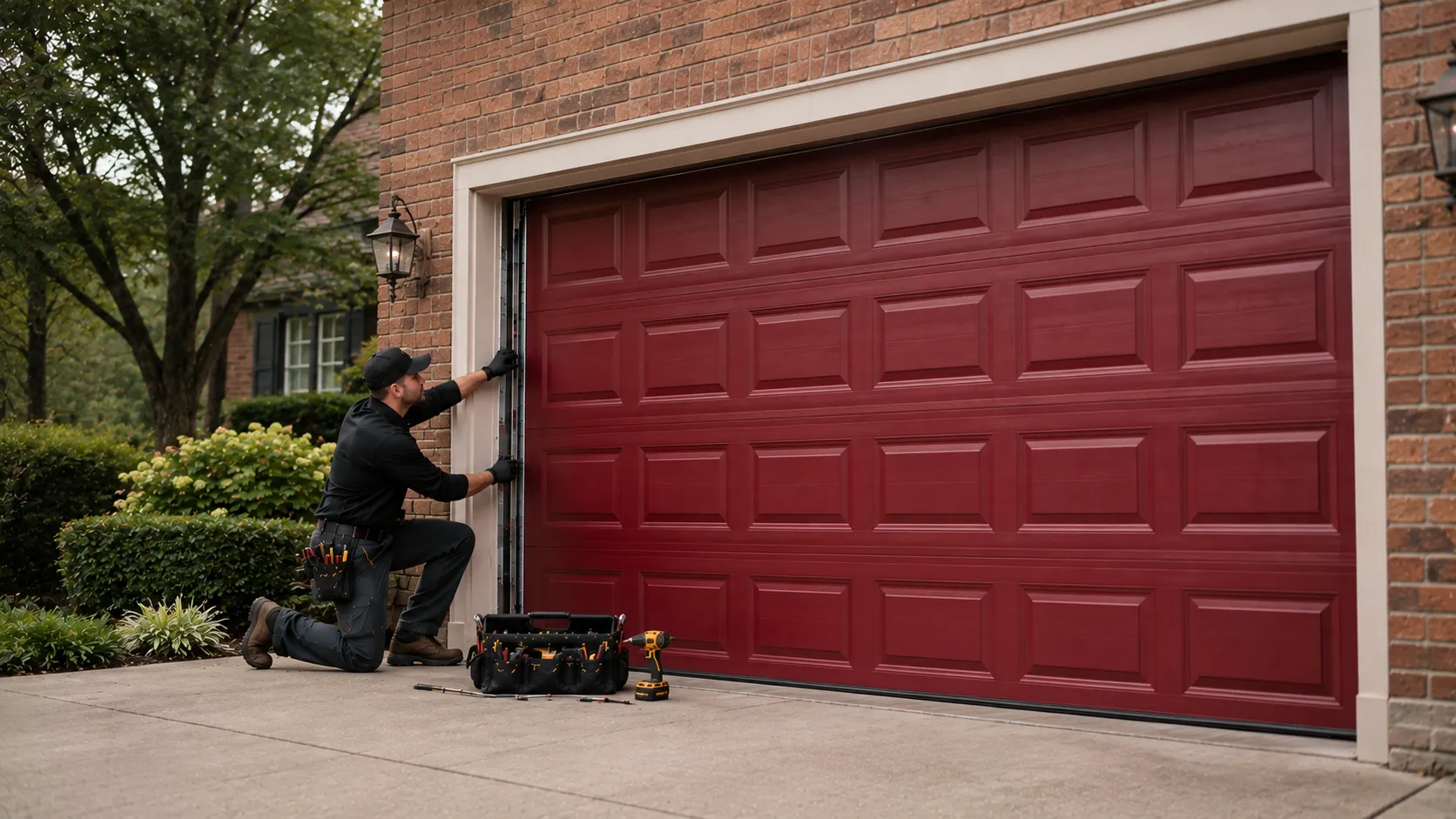
Can You Do This Yourself
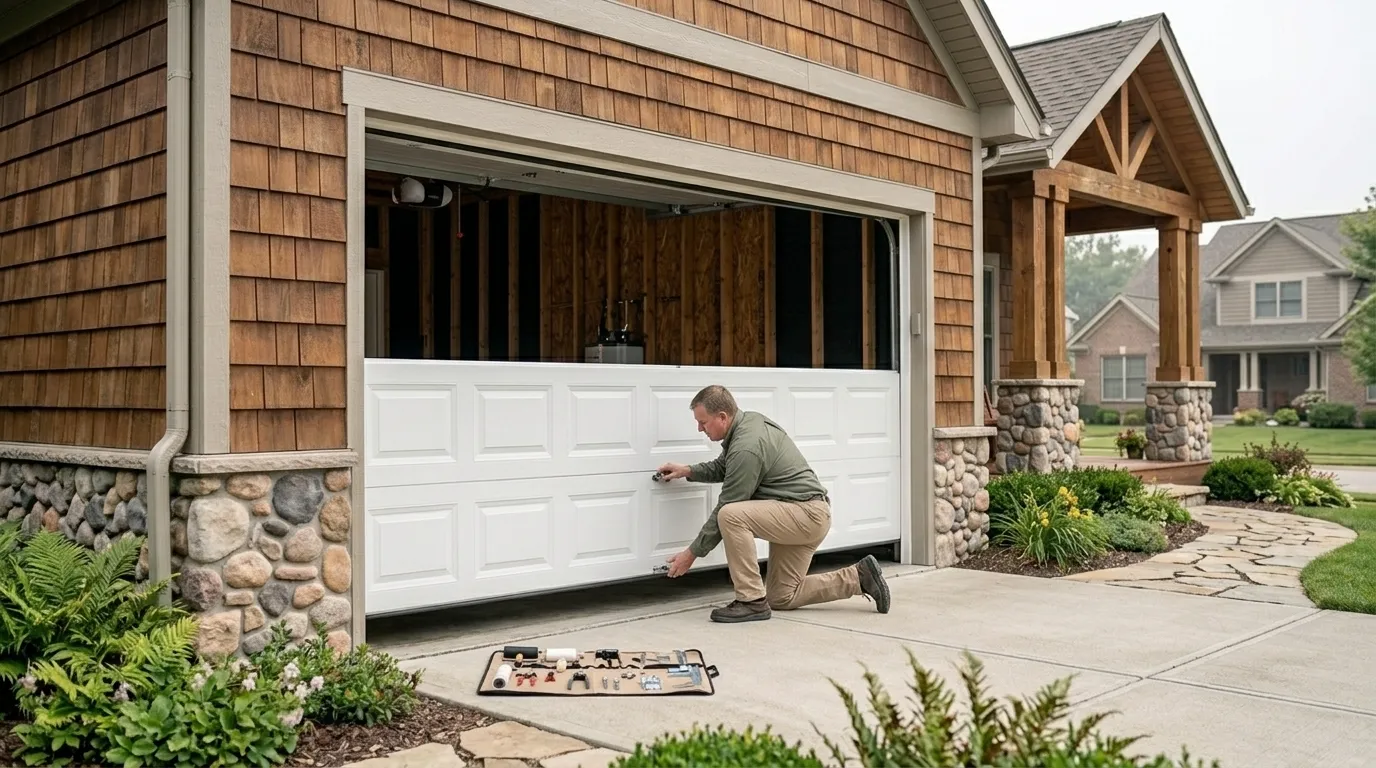
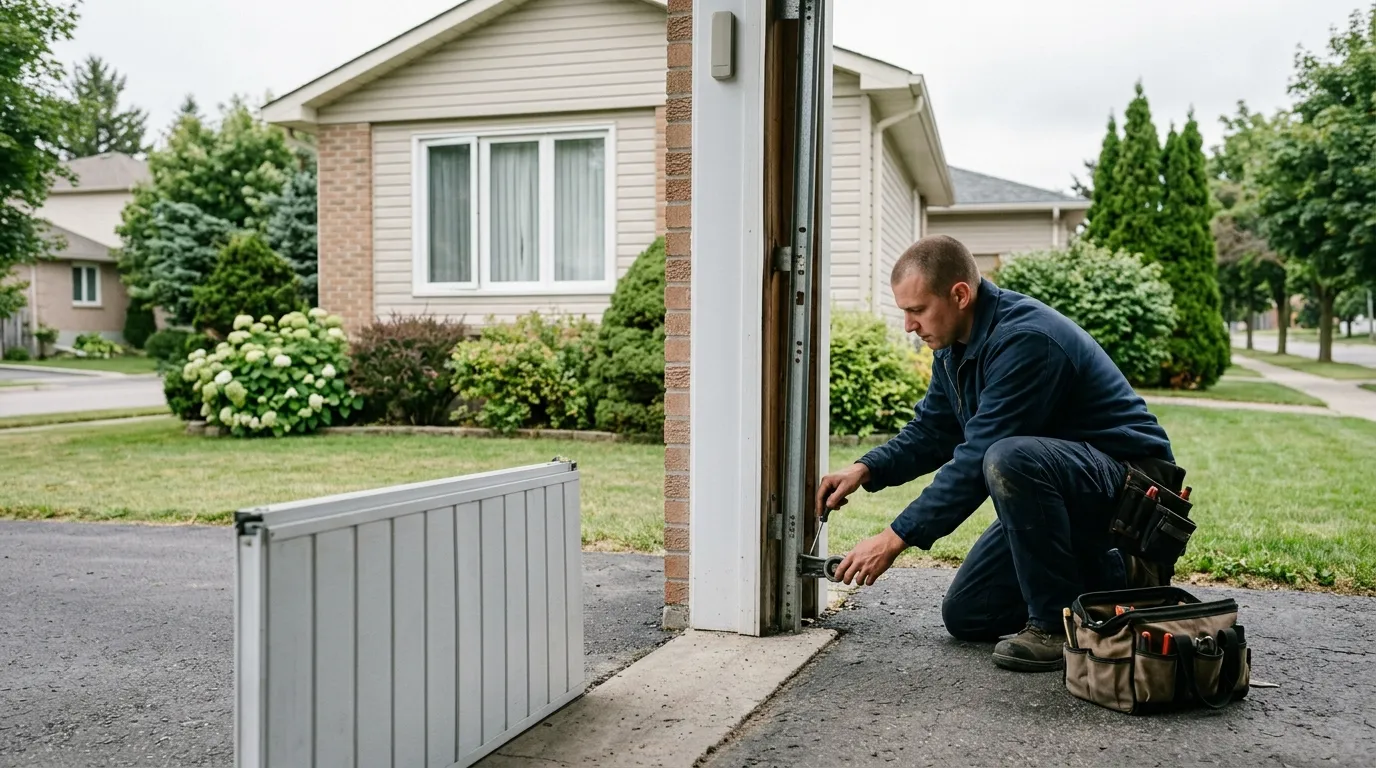
Most houses in Satsuma went up around 1979, a good decade before torsion-only setups became the default across newer construction in this service area. That matters here because a lot of these doors still run on extension springs - the kind stretched along the horizontal tracks on either side of the door, not the coiled bar over the header. Extension springs are easier to look at and easier to misjudge. A spring under that much stretch can put a hook or a full coil through drywall, a windshield, or a hand in the time it takes to reach for it.
We won't talk anyone through a phone-guided spring swap, and we wouldn't want a neighbor doing it for you either. What you can safely check yourself: pull the release cord, lift the door by hand, and see if it drops on its own or feels dead weight all the way. If it drops, a spring has already lost its tension or snapped a coil. Note whether the cable near the spring looks frayed or has come off its drum - that's useful information for whoever comes out, and it's the one part of this job that doesn't require standing next to a loaded spring.
Parts We Carry
Because Satsuma sits at the older end of the build range for this area - F1 covers houses from 1963 to 2007, with the bulk clustered in the 1980s and 90s - we carry both extension springs sized for the 1979-and-earlier stock and torsion springs for anything built later or already converted. We stock cable, drums, end bearings, and the safety-related hardware that gets added when an extension setup is brought up to a safer standard rather than replaced outright.
We run these parts out from Daphne on the same truck that covers Spanish Fort, Fairhope, Loxley, and the other ten towns in the territory, so what's on board reflects the mixed housing stock across all of them, not just one era. Satsuma being 19 miles out doesn't change what's on the truck, but it does mean we plan the parts before we leave rather than guessing once we're on site - there's no depot here to run back to if the wrong spring size is loaded.
How It Shows Up
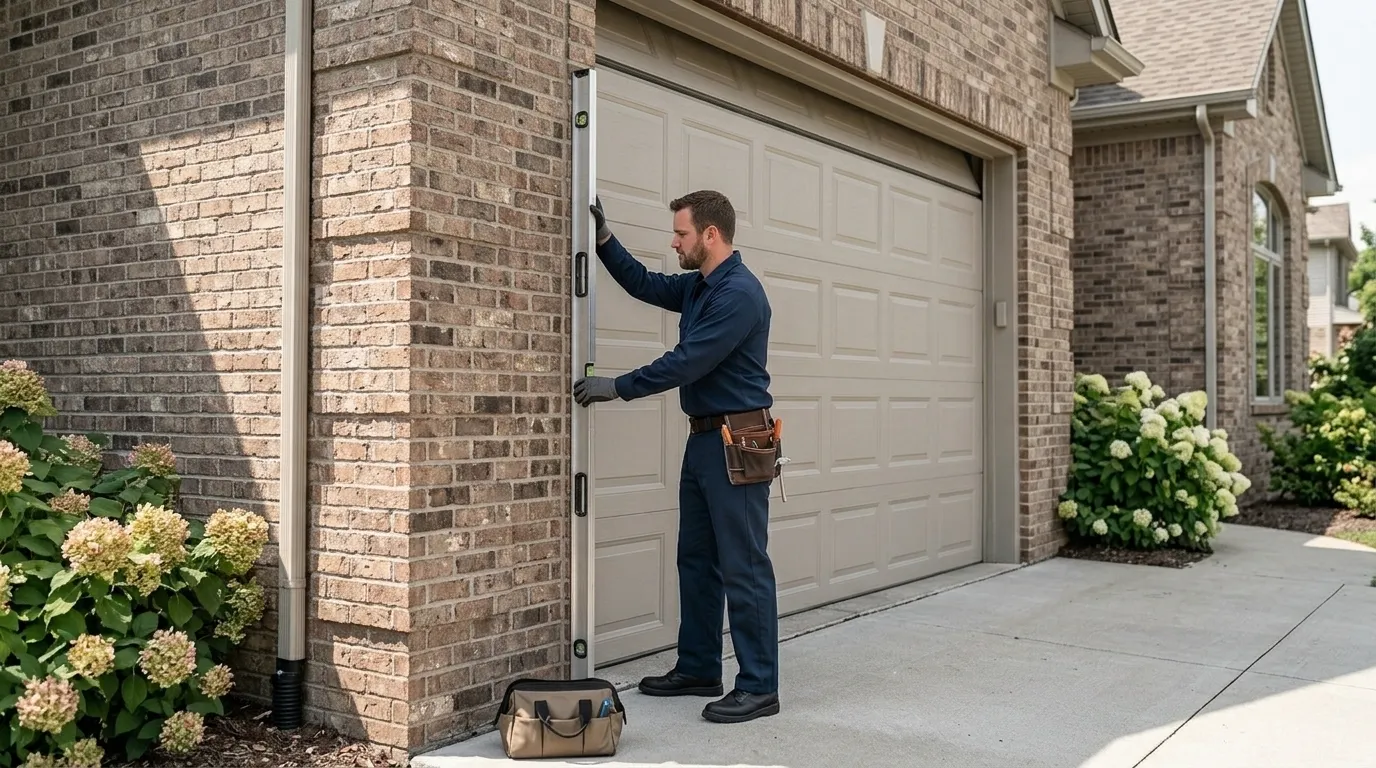
On the older extension-spring doors, the first sign is usually a door that hangs unevenly - one corner higher than the other - because one spring has stretched or corroded faster than its match on the opposite side. The opener will strain against that imbalance, and you'll hear it working harder before you see anything wrong.
On a full break, the door either won't budge from the closed position or comes down fast and heavy when the opener tries to lower it, because nothing on the springs is left to slow the descent. Either symptom is worth a call rather than a wait - a door running on one working spring is putting the opener's gears and the second spring under a load they weren't built to carry alone.
How Long It Takes
Swapping a spring, once we're on site with the right parts loaded, isn't a long job - most of the time on an extension-spring door goes into checking the cable, drums, and pulleys the old spring was riding on, since those wear alongside it. What takes longer in Satsuma than it would closer to Daphne is the drive: at 19 miles out, Satsuma ties with as the farthest stops on our route, so it gets scheduled into the day's run rather than fit in as an add-on.
We don't promise a same-day window here - we're honest that the trip out affects how a day gets planned, and cramming an extra stop onto a route built around closer towns is how jobs get rushed. Once we're there, the repair itself moves at the same pace it would anywhere else on the truck.