Can You Do This Yourself
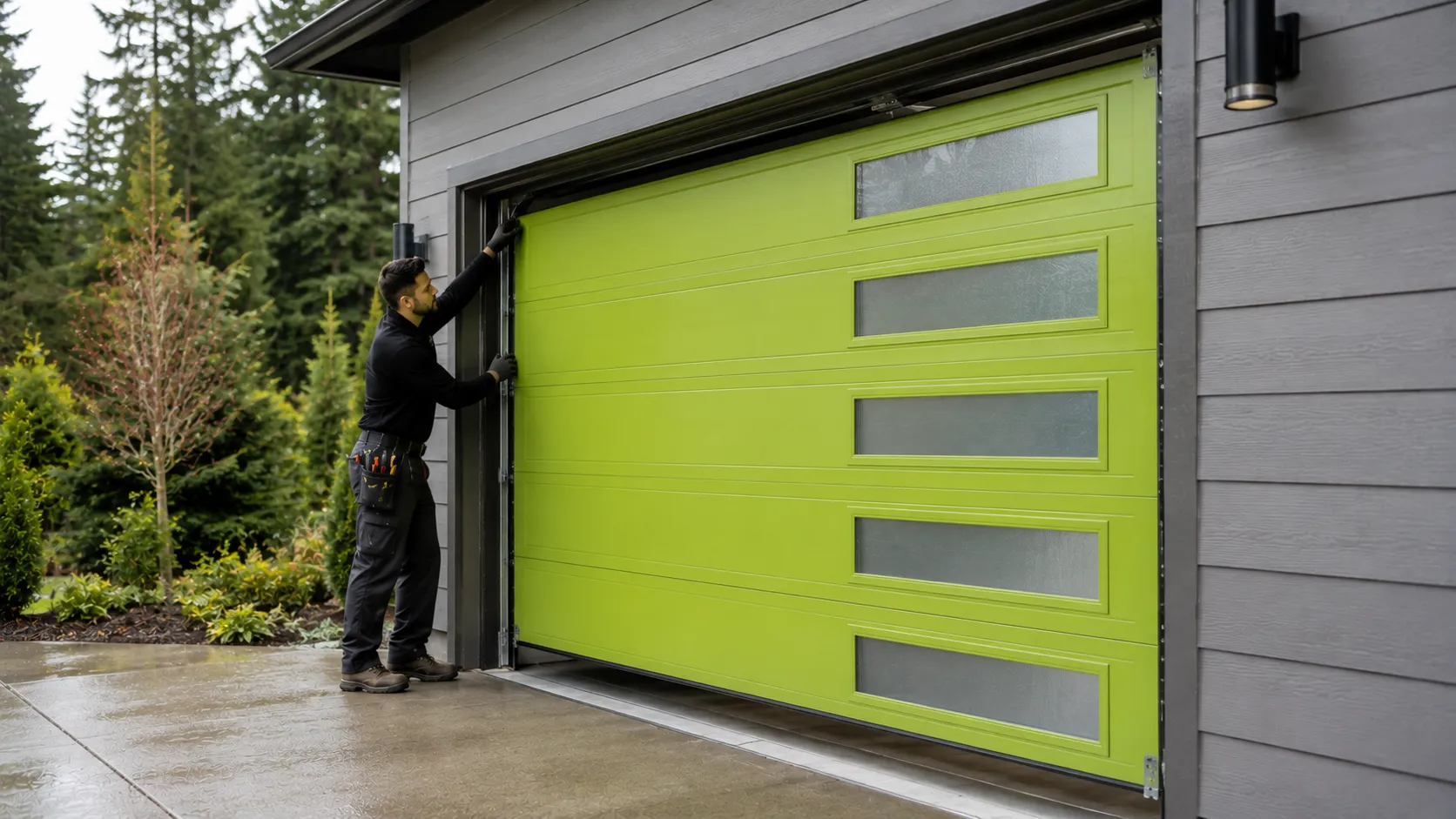
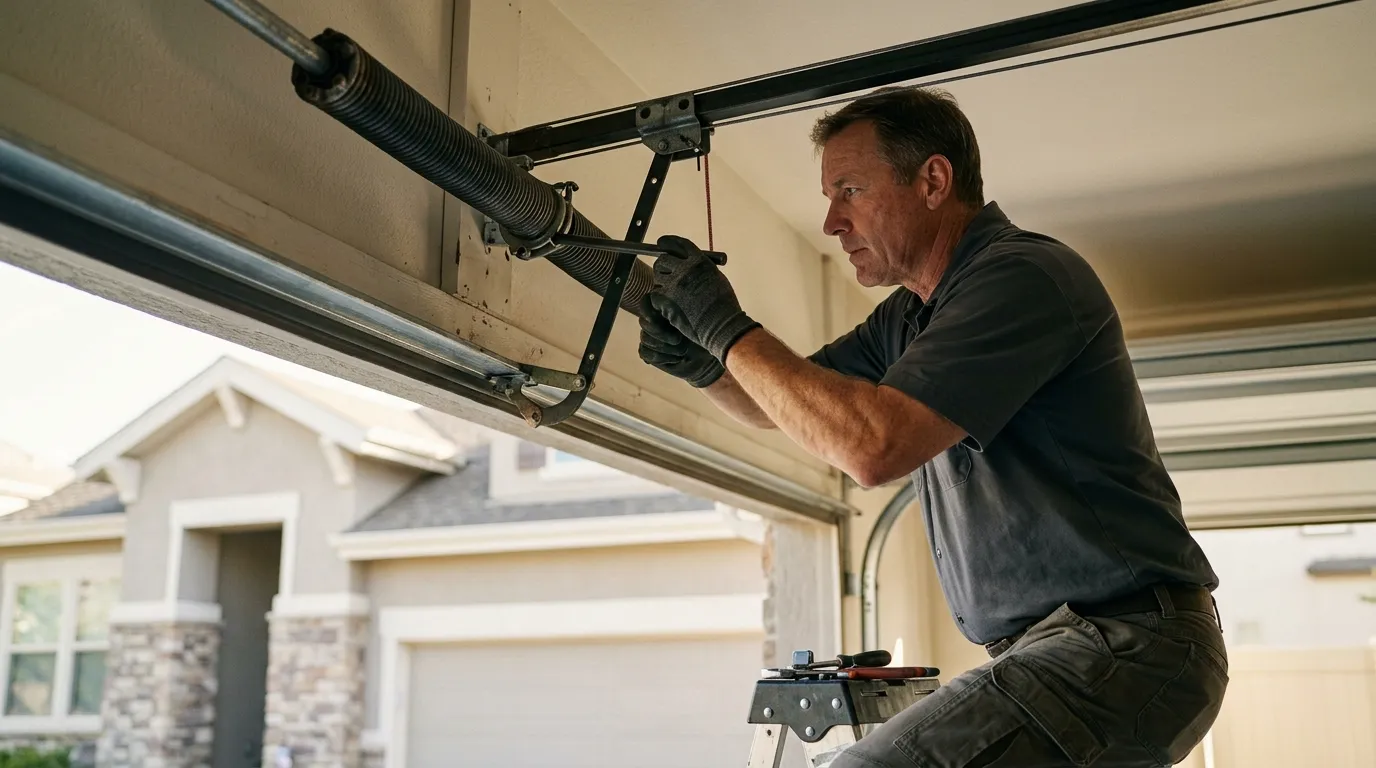
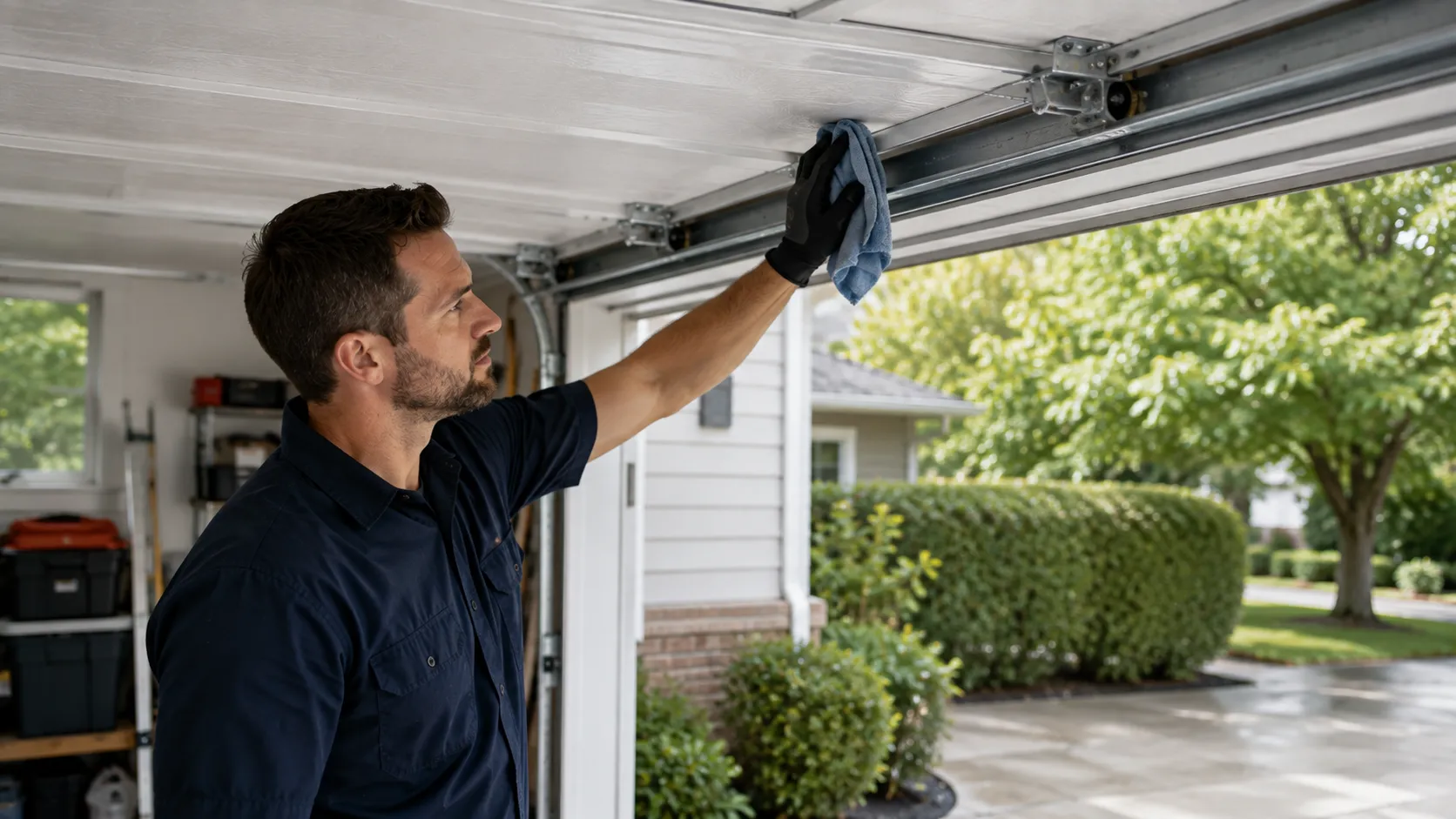
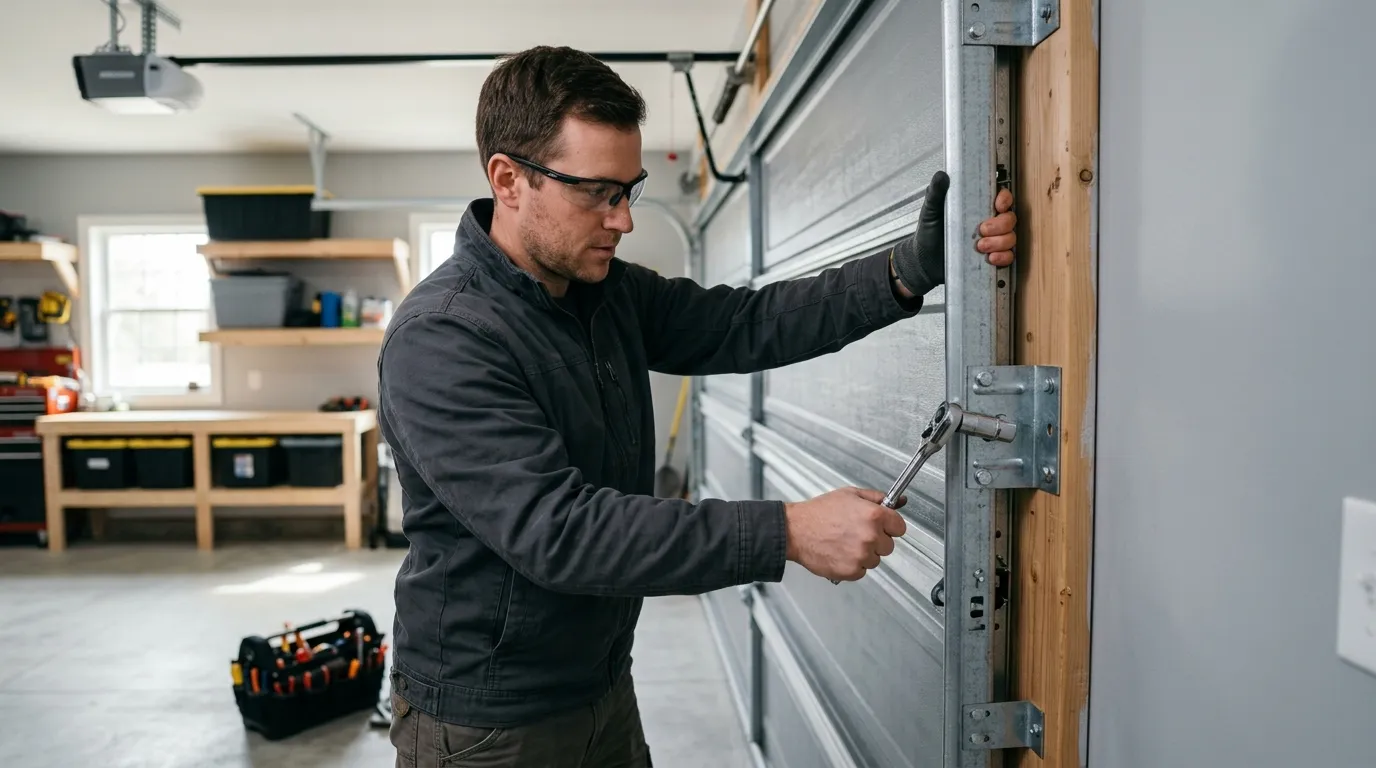
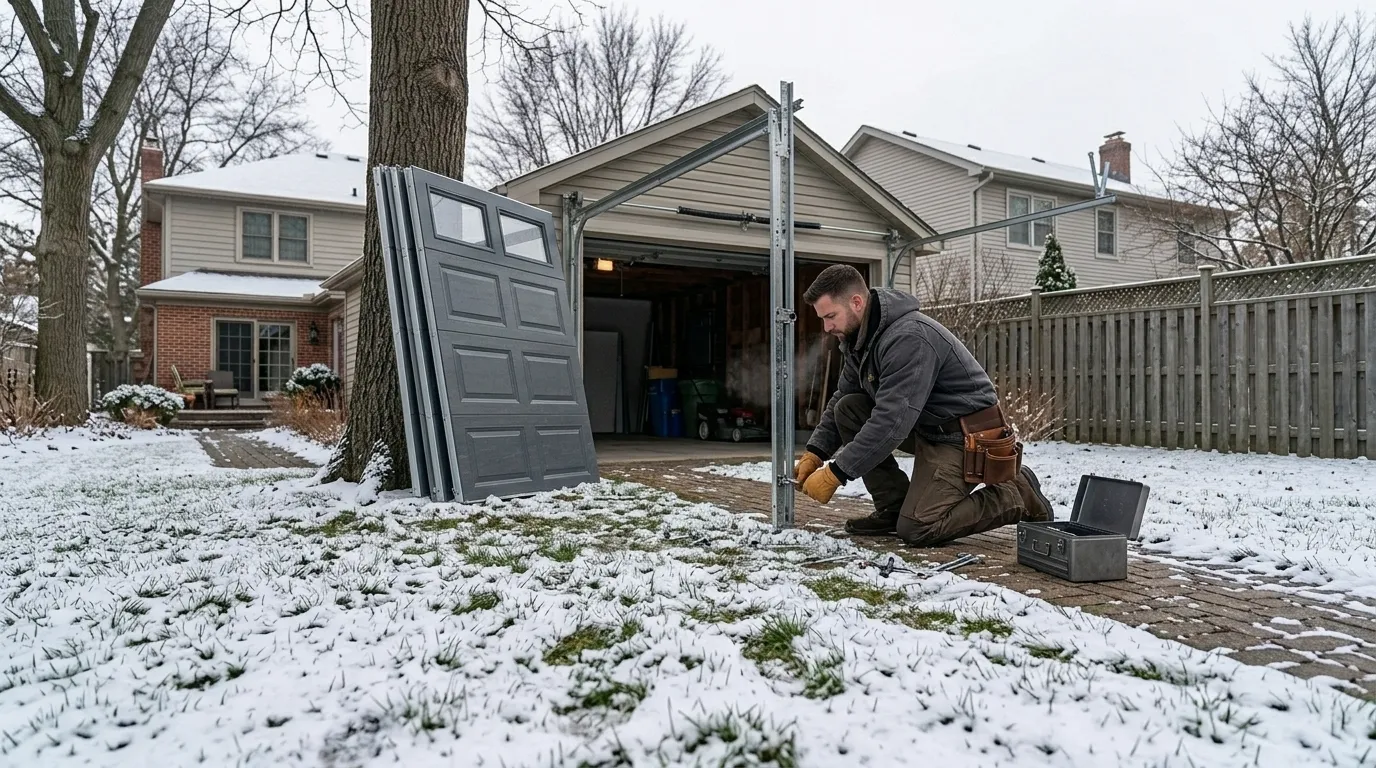
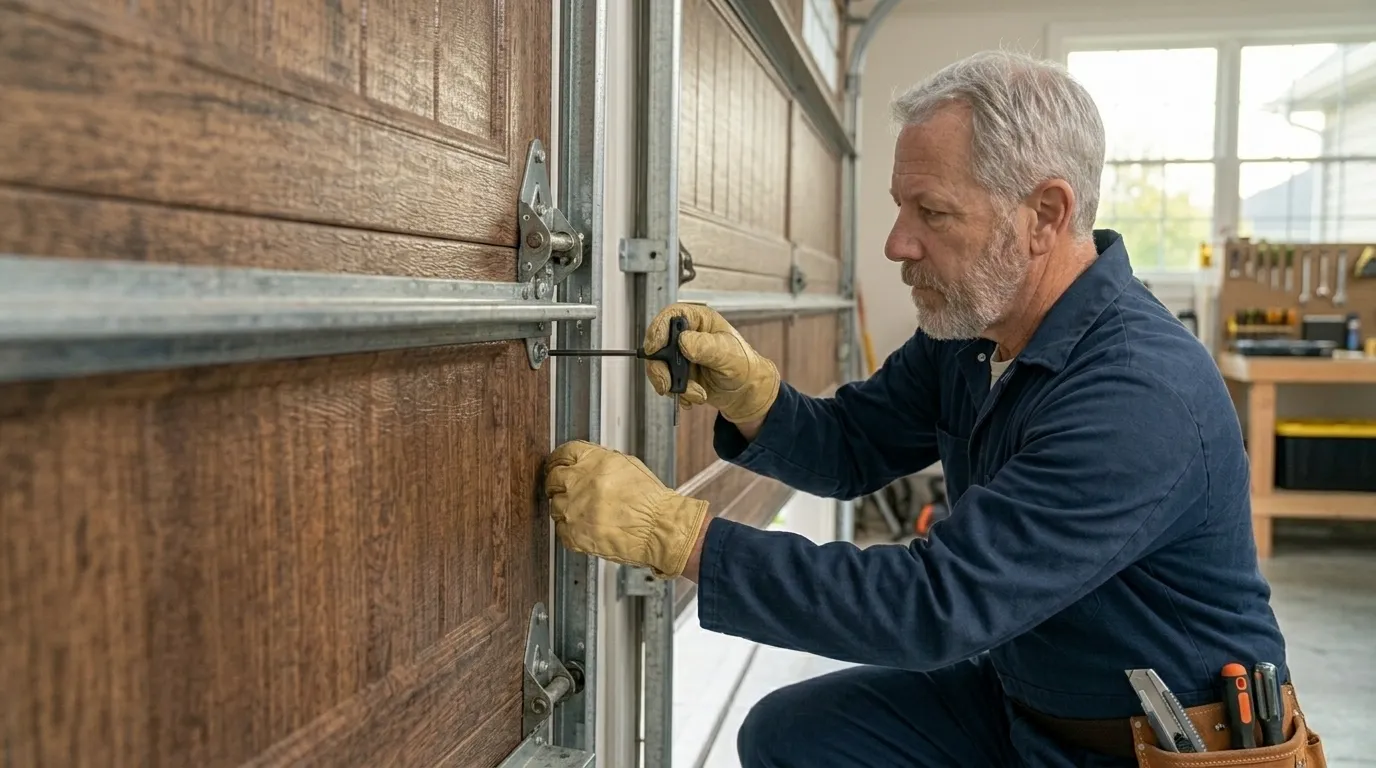
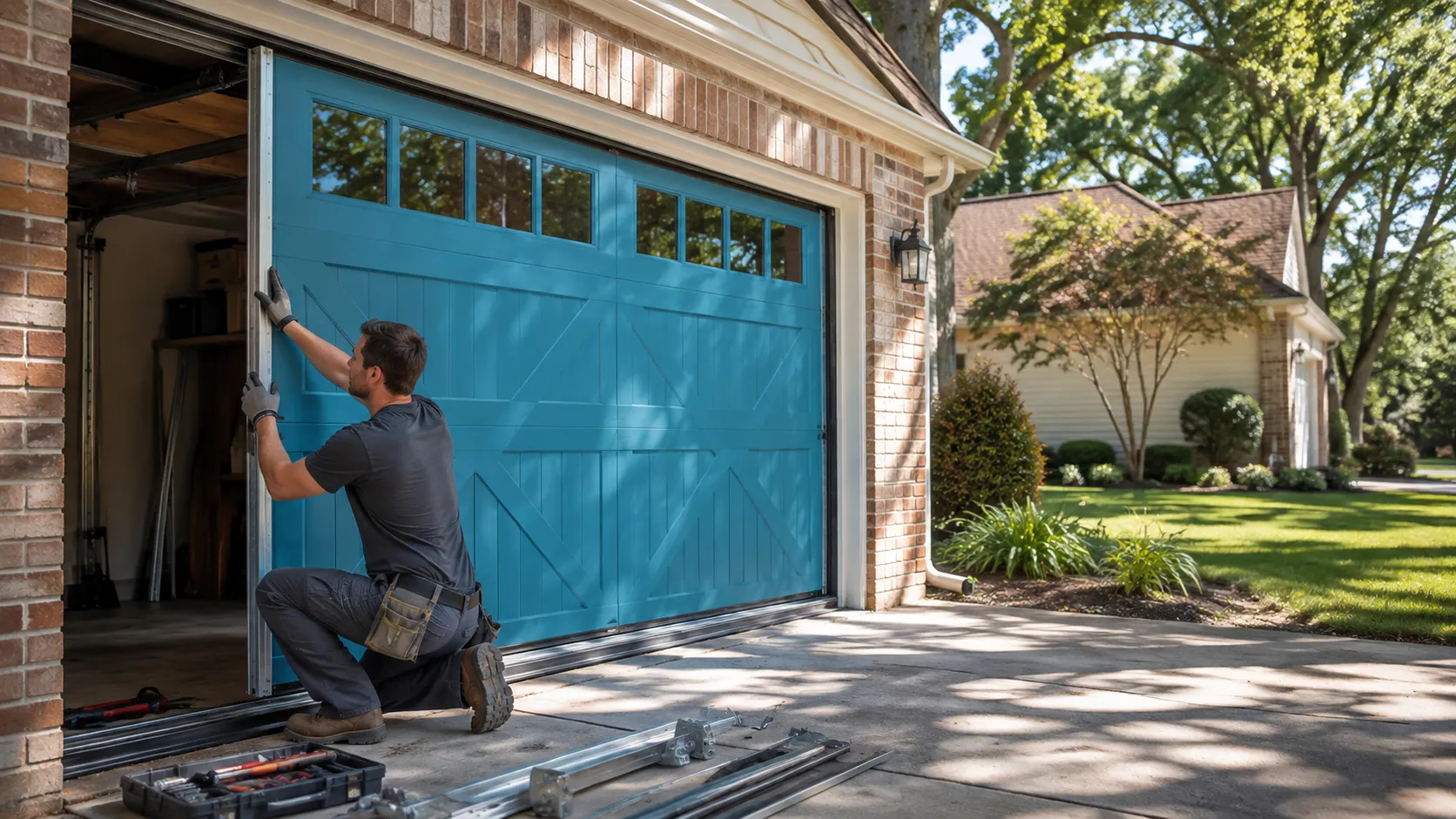
A lot of Satsuma's garage doors went up around 1979, a decade before the 1990 median that covers the rest of our service area. That means steel sectional doors without the foam-insulated core that became standard later - plain galvanized steel, painted, bolted to hinges that have had forty-plus years to work loose. Swapping a single panel on a door like that is not a bolt-in job. The panel has to match the existing section width and the hinge spacing exactly, or the door binds on the track and the opener strains against it. You can do it yourself if you're comfortable pulling the old panel's end stiles, matching gauge steel, and re-hanging rollers on both sides evenly. Most homeowners find the matching part is the hard part - a panel bought off a shelf rarely lines up with a door built before panel sizing was standardized the way it is now. If the door is a double-wide, working alone is close to impossible; the panel is heavy and awkward with no one holding the other end. We'll say plainly: if your door is original to a 1979 build and you've never done this, call before you cut into the frame. A bad first cut on an old panel can crack the section next to it.
Parts We Carry
Because Satsuma's stock skews older than most of the towns we cover, we carry steel replacement sections sized for late-1970s and early-1980s door widths, not just the current standard runs. Median household income in Satsuma sits at $97,550, well above the $60,922 median across the rest of our coverage area, and we see that reflected in what people choose here - more owners go with insulated steel or wood-composite replacement panels instead of a bare steel match, even on a door built long before insulation was common. We stock hinges, rollers, and end stiles sized for both eras so a panel swap doesn't turn into a full-door replacement because one hinge pattern doesn't exist anymore. One limit worth stating: heavily textured or wood-grain composite panels sometimes have to be special-ordered to match an existing door exactly, and that can add lead time beyond what we carry on the truck.
How It Shows Up
Most calls start with a dent or a crack a homeowner can see from the driveway - not a functional problem yet, just an eyesore, or the start of a rust line along a seam. Some calls come in because the door won't seal flush at the bottom anymore; a bowed or cracked panel throws off the whole section's alignment, and the door starts letting daylight or water in at the corner. On the older steel stock common in Satsuma, we also get calls where a panel looks fine but has gone soft - press on it and it flexes where it should be rigid, a sign the steel's thinned from years of rust from the inside.
How Long It Takes
A straightforward single-panel swap on a door where the section still matches available stock is usually a same-visit job once we're on-site. Satsuma sits about 19 miles out from our Daphne shop, the farthest of the suburbs we cover, so we schedule the trip to get the full job done in one visit rather than splitting it. If the panel has to be special-ordered - which happens more often here given the older door widths and the number of owners choosing composite over steel - the visit becomes two trips: one to measure and confirm the order, one to install once the panel arrives. We won't quote a firm turnaround on special-order panels because it depends on the manufacturer's lead time, not on us.