
Can You Do This Yourself
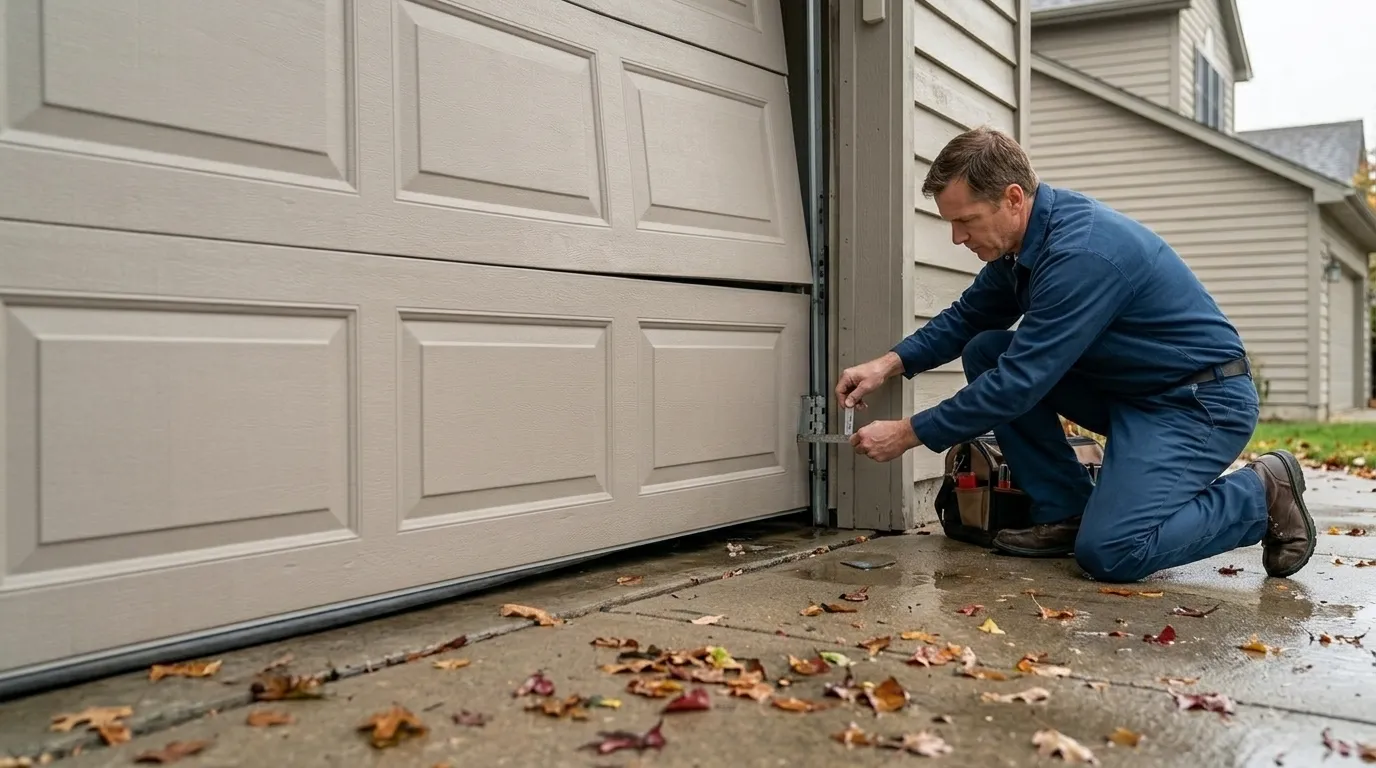
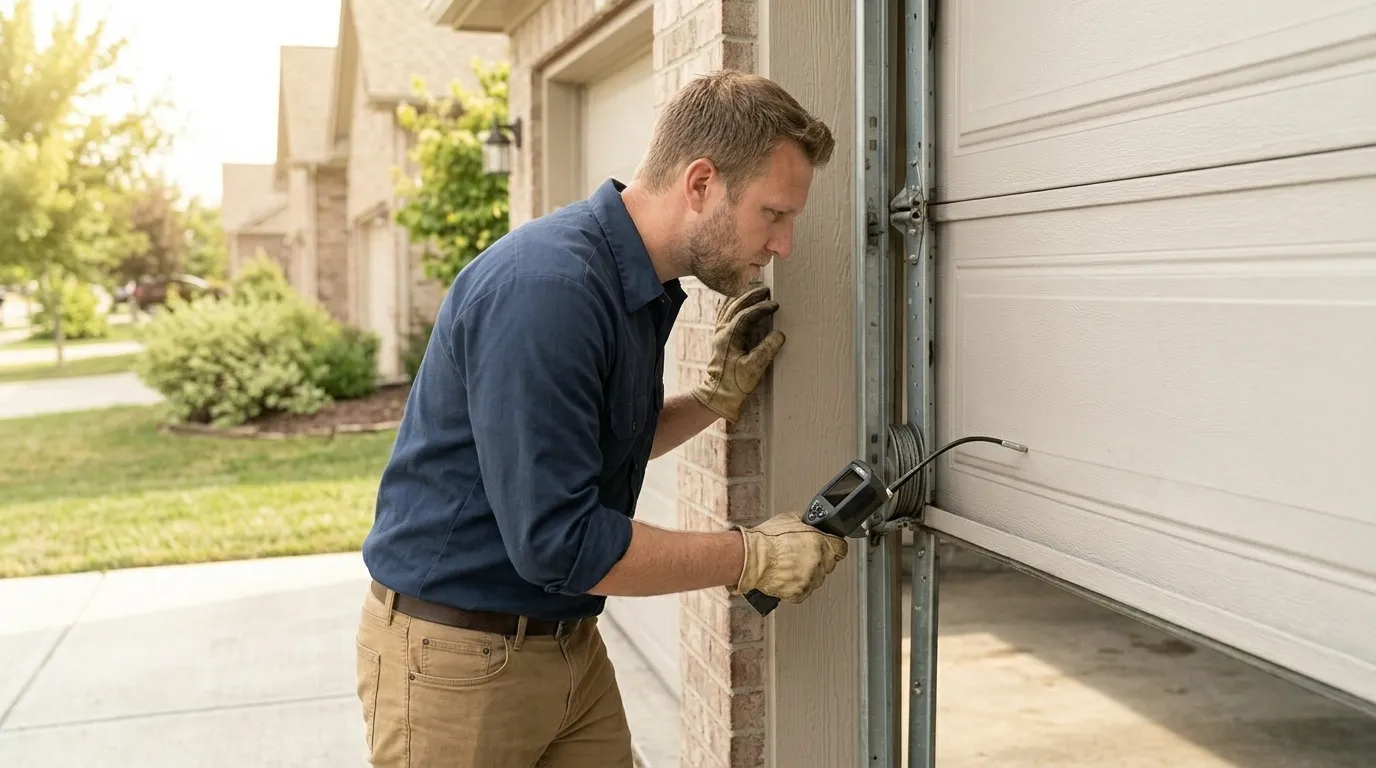
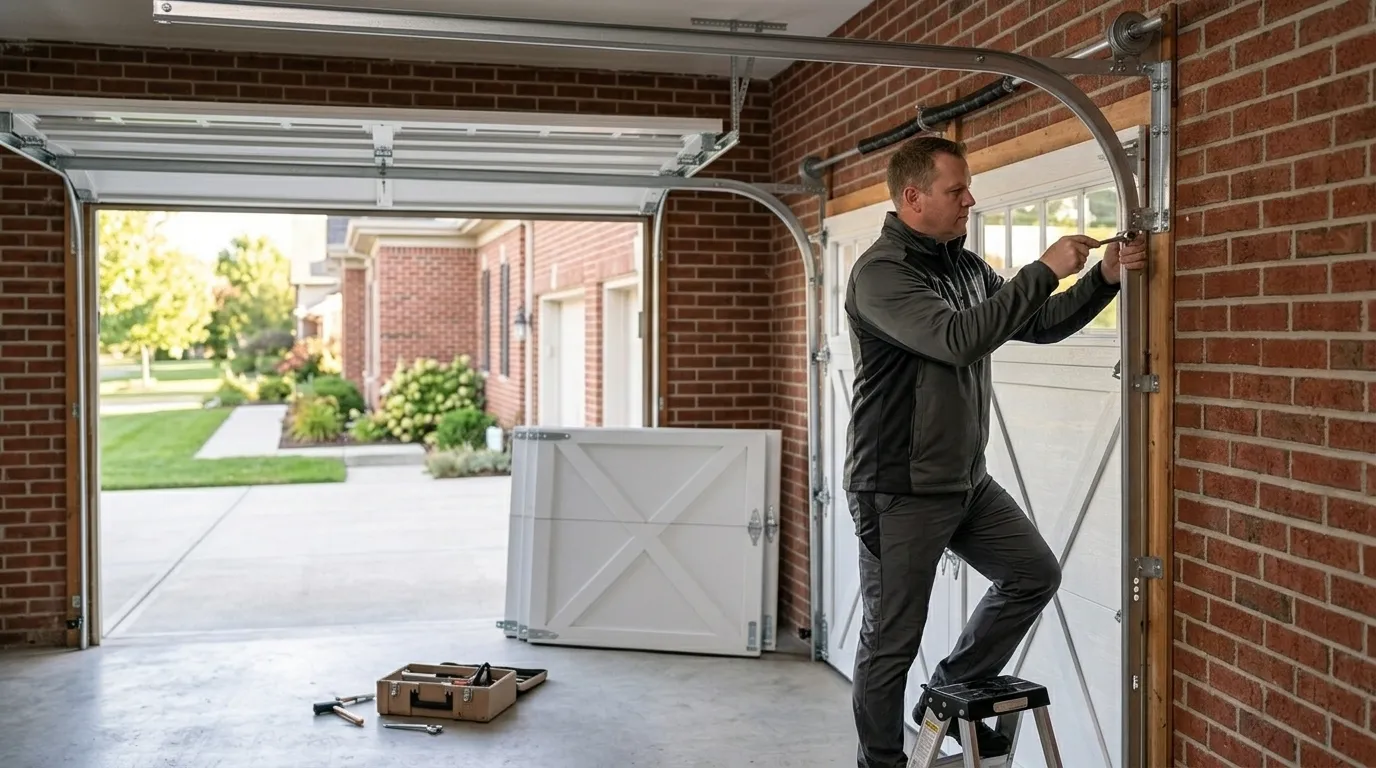
Satsuma sits 19 miles from our Daphne shop, which changes how we plan a call more than it changes the tools in the truck. We're not driving past your house on the way to somewhere else, so when we come out we come out ready to finish the job in one visit rather than guess and reorder. A lot of what you can safely handle yourself doesn't need us at all: lubricating hinges and rollers, tightening loose bolts on the track brackets, clearing the photo-eye sensors if the door won't close. What you should not touch is anything under spring tension - a torsion spring on a door built when this neighborhood was going up in the late 1970s carries real force, and the winding cones on older units aren't standardized the way newer ones are. If the door is off track, or a cable has jumped its drum, that's a call, not a weekend project. Given the drive, it's worth doing a five-minute check yourself before booking, so the trip isn't spent diagnosing something you could have seen from your driveway.
Parts We Carry
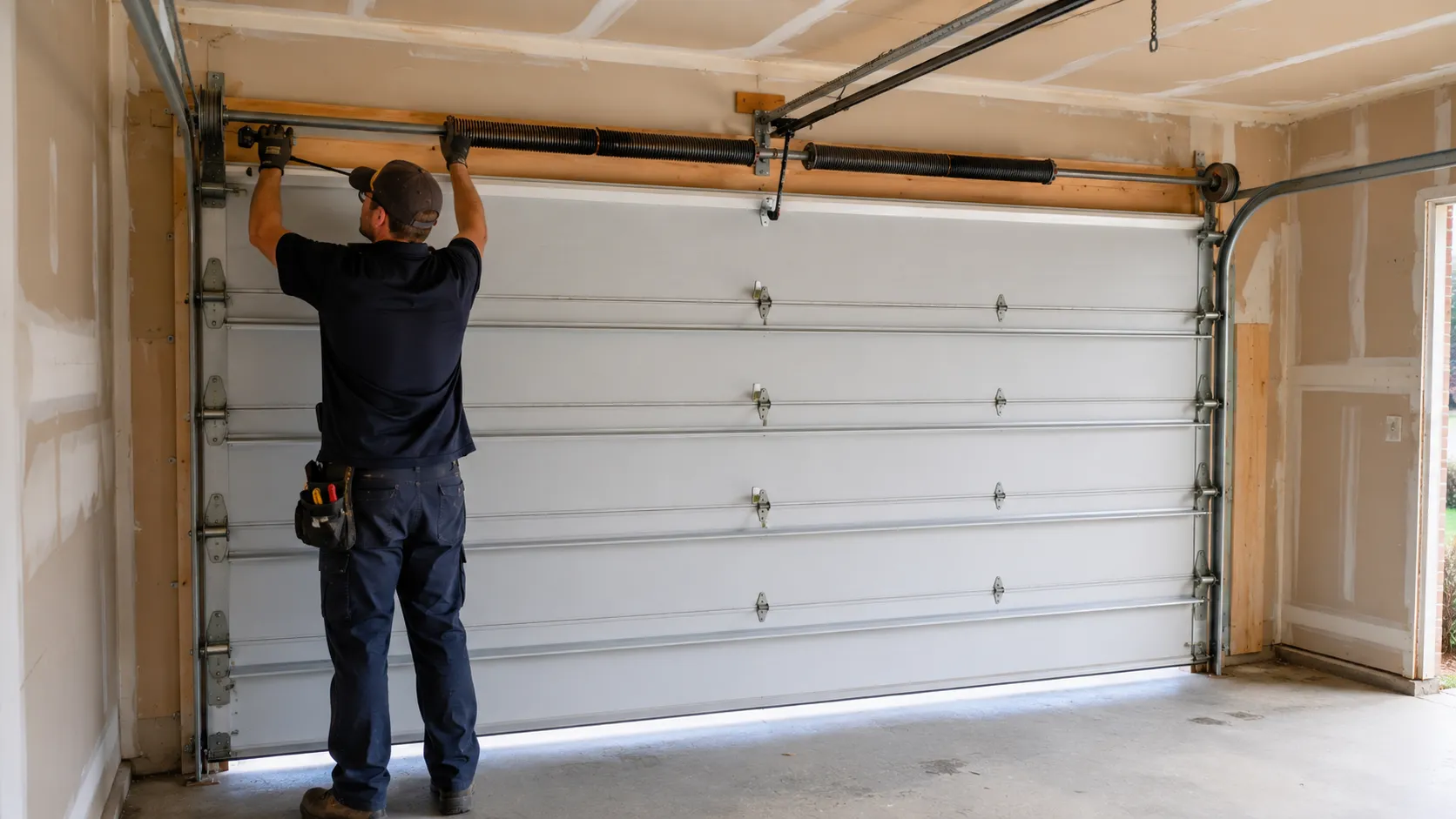
Median homes on this side of the map went up around 1979, well ahead of the 1990 median for the wider service area, so we stock hardware sized for that older build era rather than assuming everything is a 2000s installation. That means torsion springs wound for lighter, thinner-gauge doors, older-style extension spring pulleys, and steel rollers rather than the sealed nylon ones common in newer builds. We carry standard 1-3/8 inch torsion bar shafts and the matching bearing plates that fit doors from that period, along with universal safety cables that retrofit onto extension spring setups without a full hardware swap. One honest limitation: if your door uses a discontinued opener or a proprietary rail system from a builder-grade unit of that era, we may need to order the part rather than carry it on the truck, and that adds a day or two to the timeline.
How It Shows Up
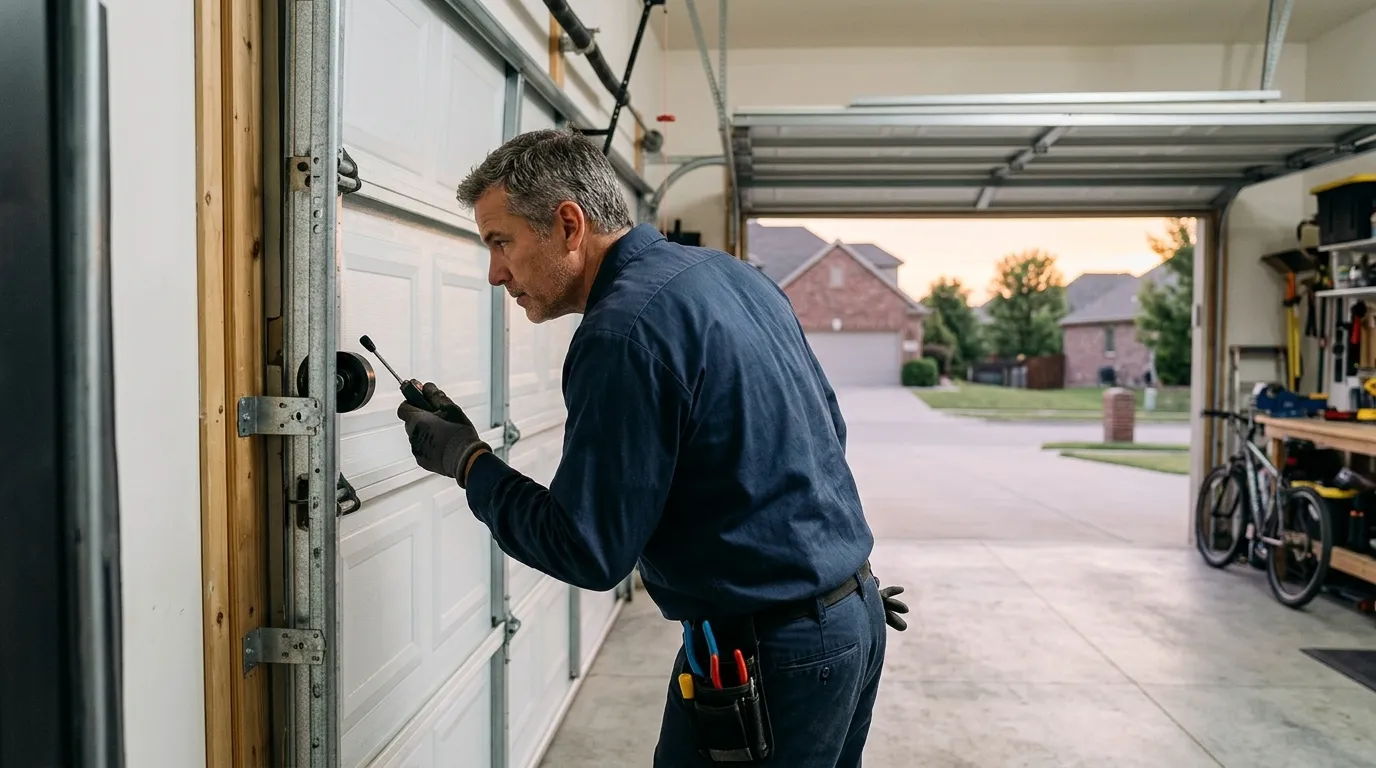
You'll usually notice it as a sound before you notice a failure: a grinding when the door lifts, a bang when a cable that's lost tension snaps back, or a door that hesitates halfway up and then finishes with a jerk. On the older extension-spring setups still common on houses from the late 1970s, a broken spring often means the door won't budge at all, since there's no torsion bar storing the lift force elsewhere. On torsion setups, a snapped spring usually shows up as a door that's suddenly much heavier to lift by hand, sometimes with a loud bang from inside the garage at the moment it goes. If the opener strains, clicks, and then stops, that's more often a worn gear than a spring problem, and it's a different repair with a different parts list.
How Long It Takes
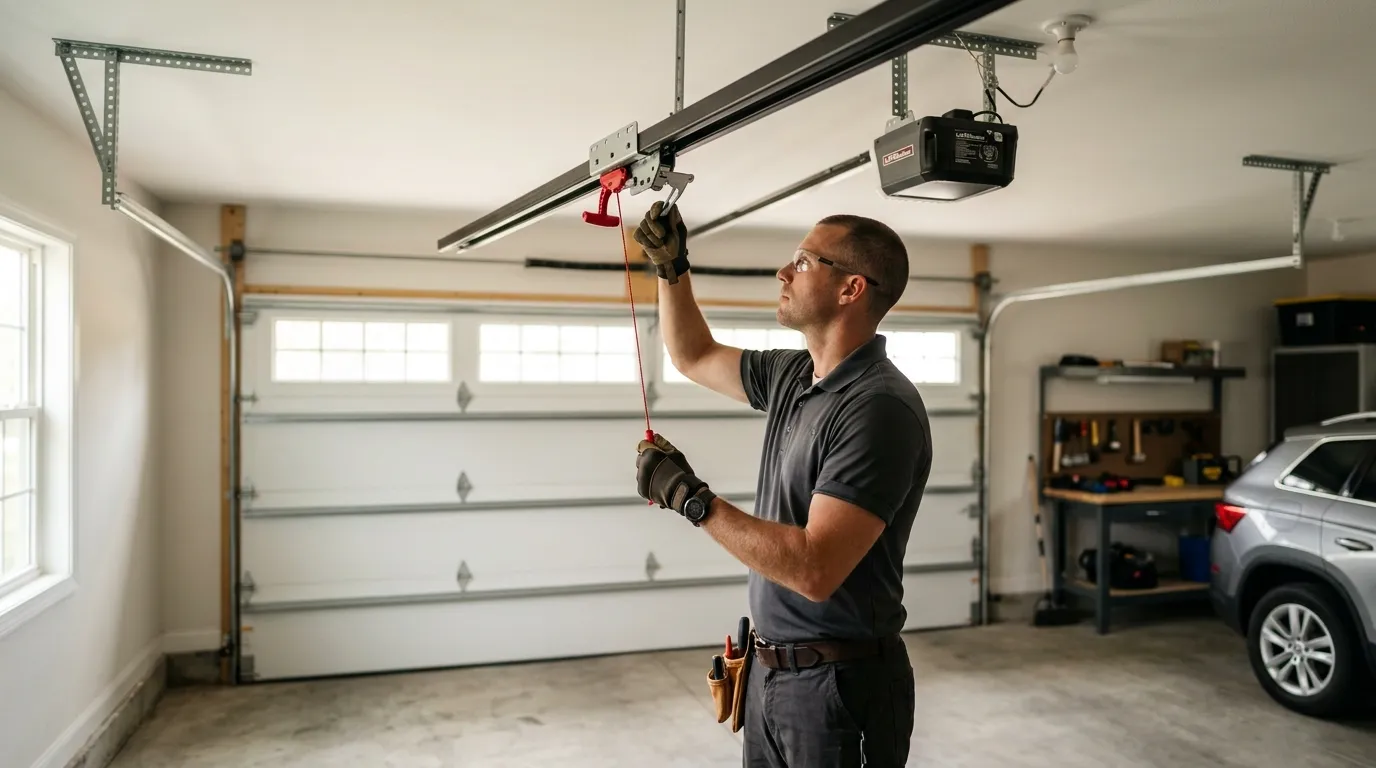
Because the job comes from Daphne rather than a local branch, we build the drive into how we schedule, not into what we charge you extra for. Most spring and cable repairs on doors from this housing era run under two hours once we're on site, since the parts are common stock and the failure points are well understood. Opener replacements take longer, generally half a day, because we're also checking the track alignment and sensor wiring rather than just swapping a head unit. If a part turns out to be discontinued or proprietary to a builder-grade opener from the late '70s or early '80s, that's the one case where we can't promise same-visit completion - we'll tell you on the spot rather than string out a repair that needs an ordered part.