Can You Do This Yourself
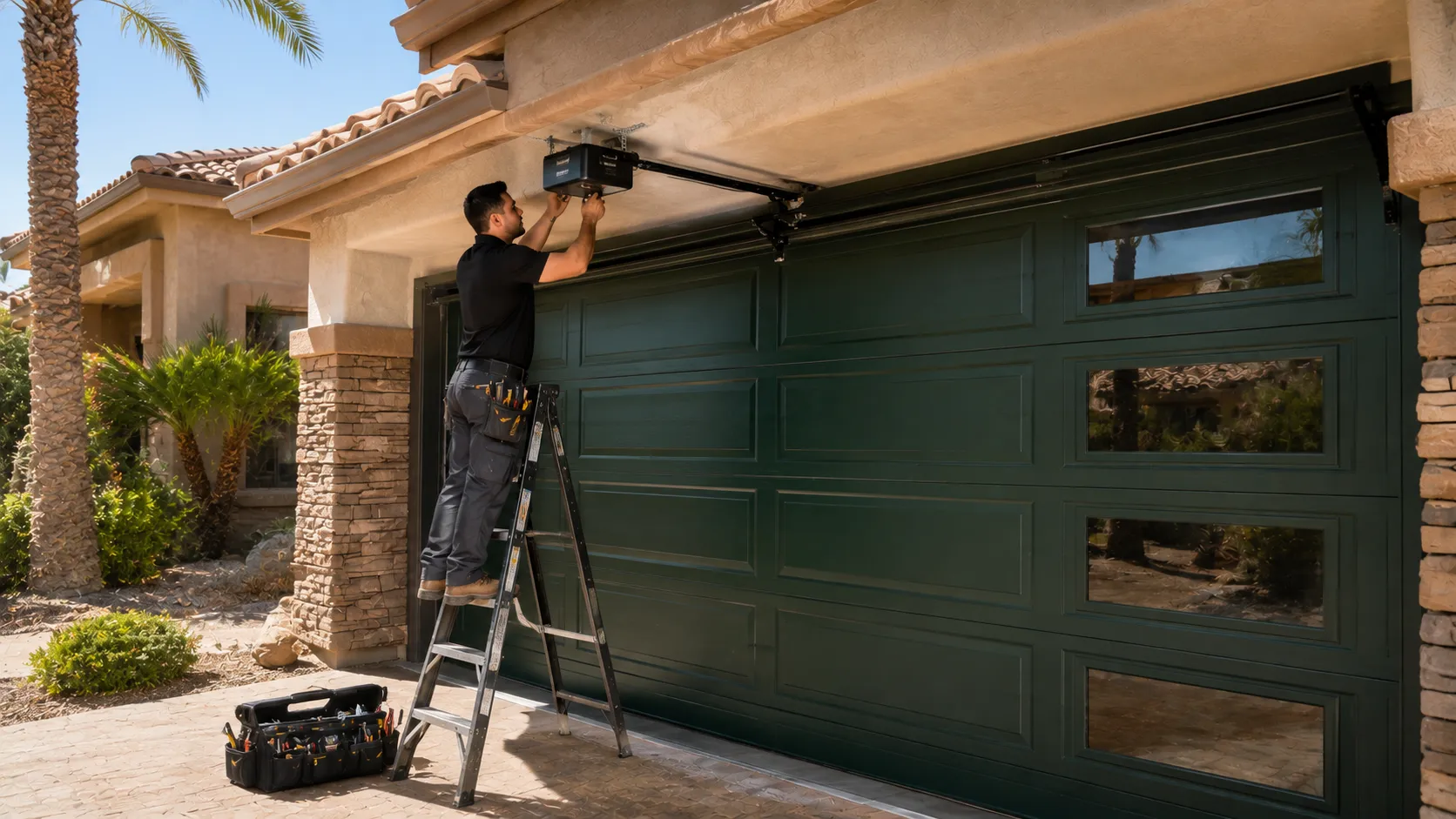
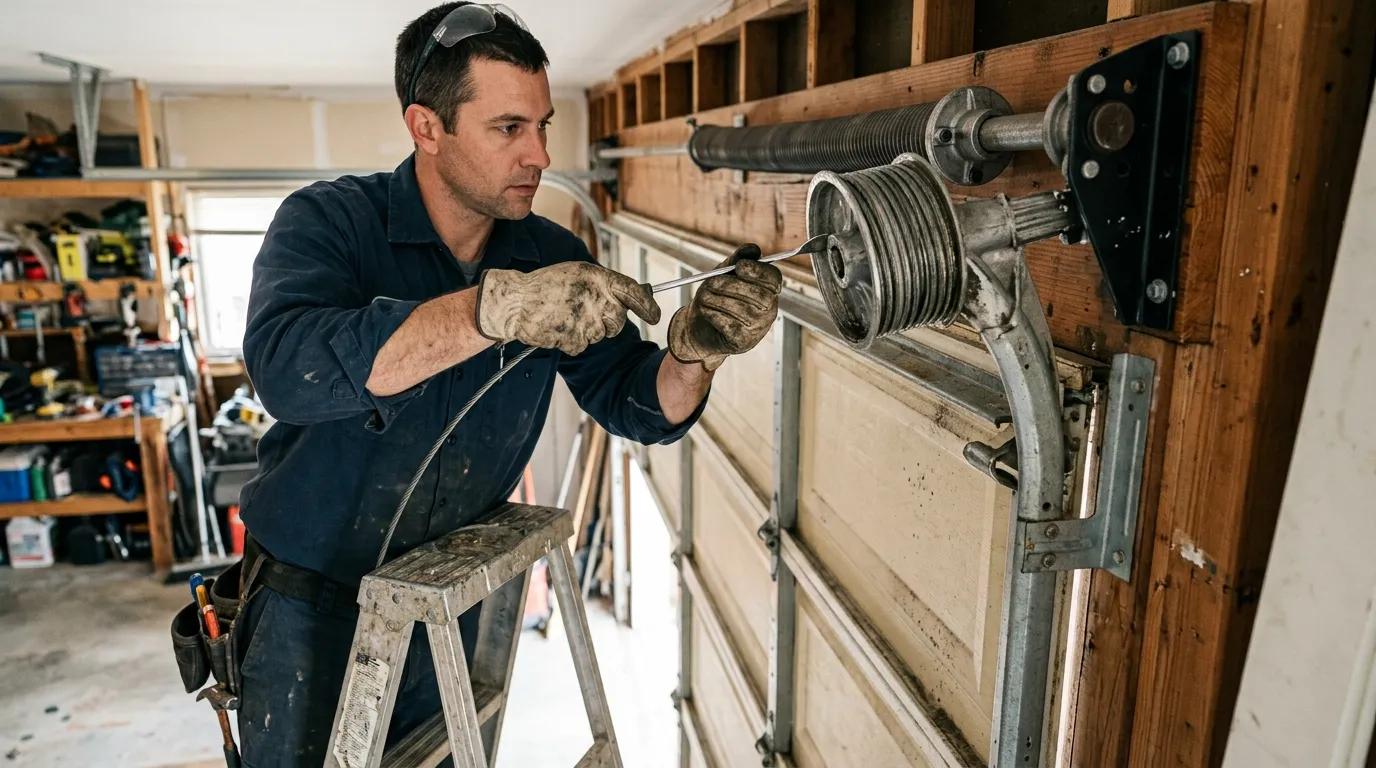
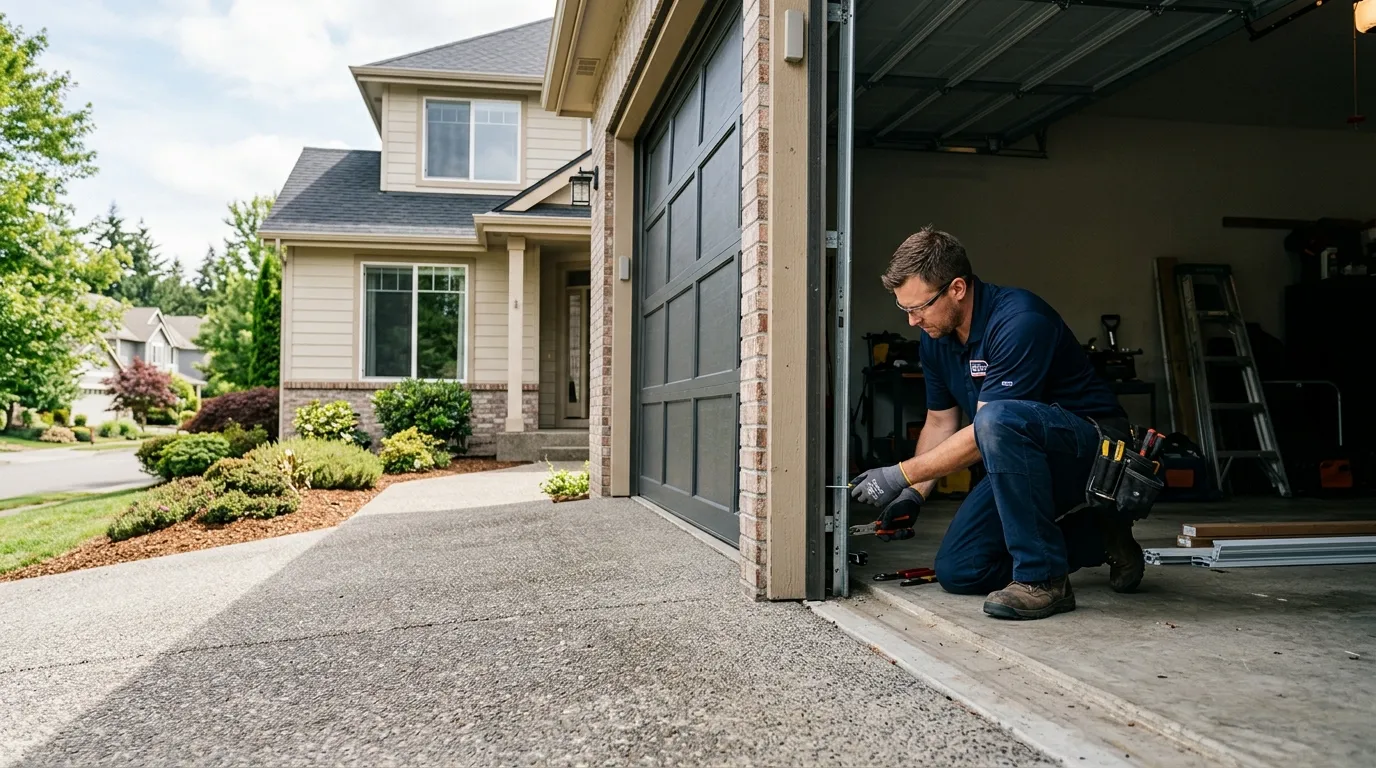
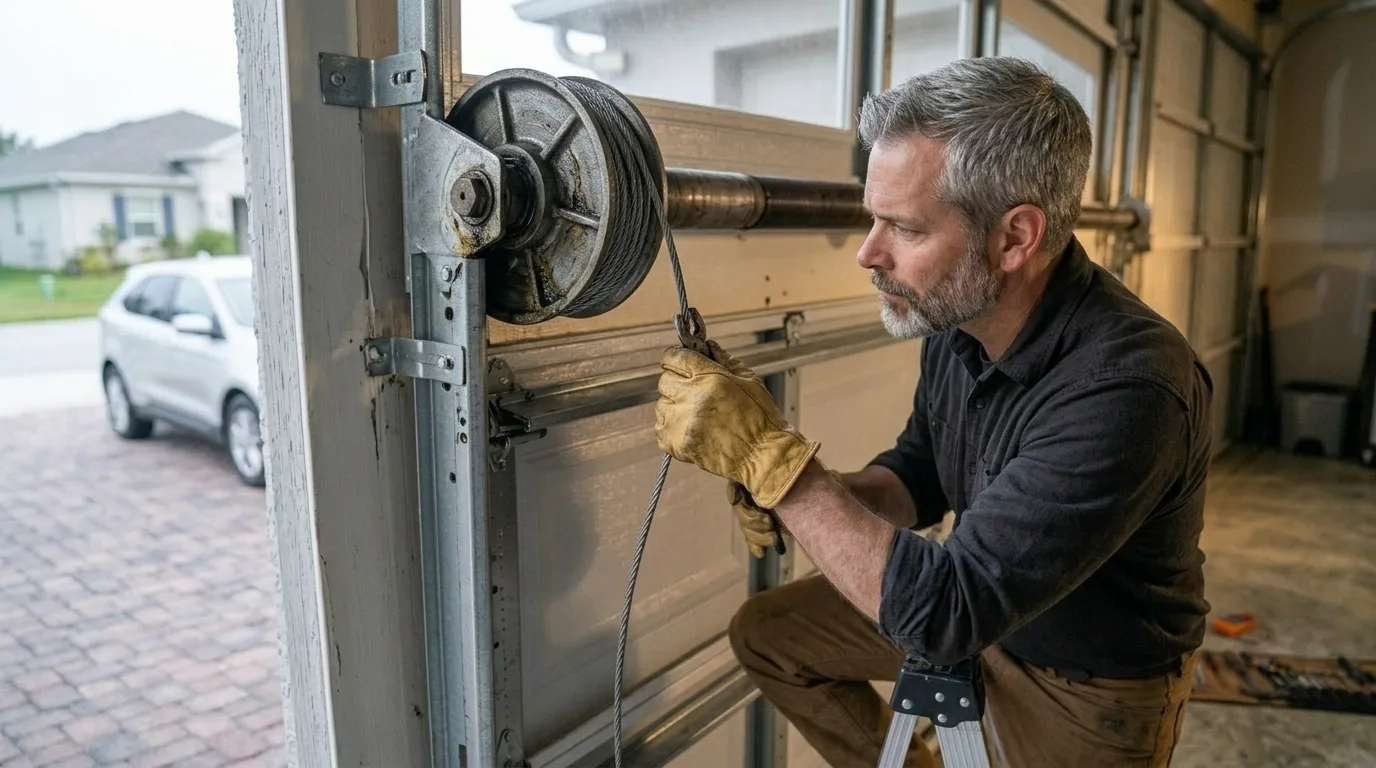
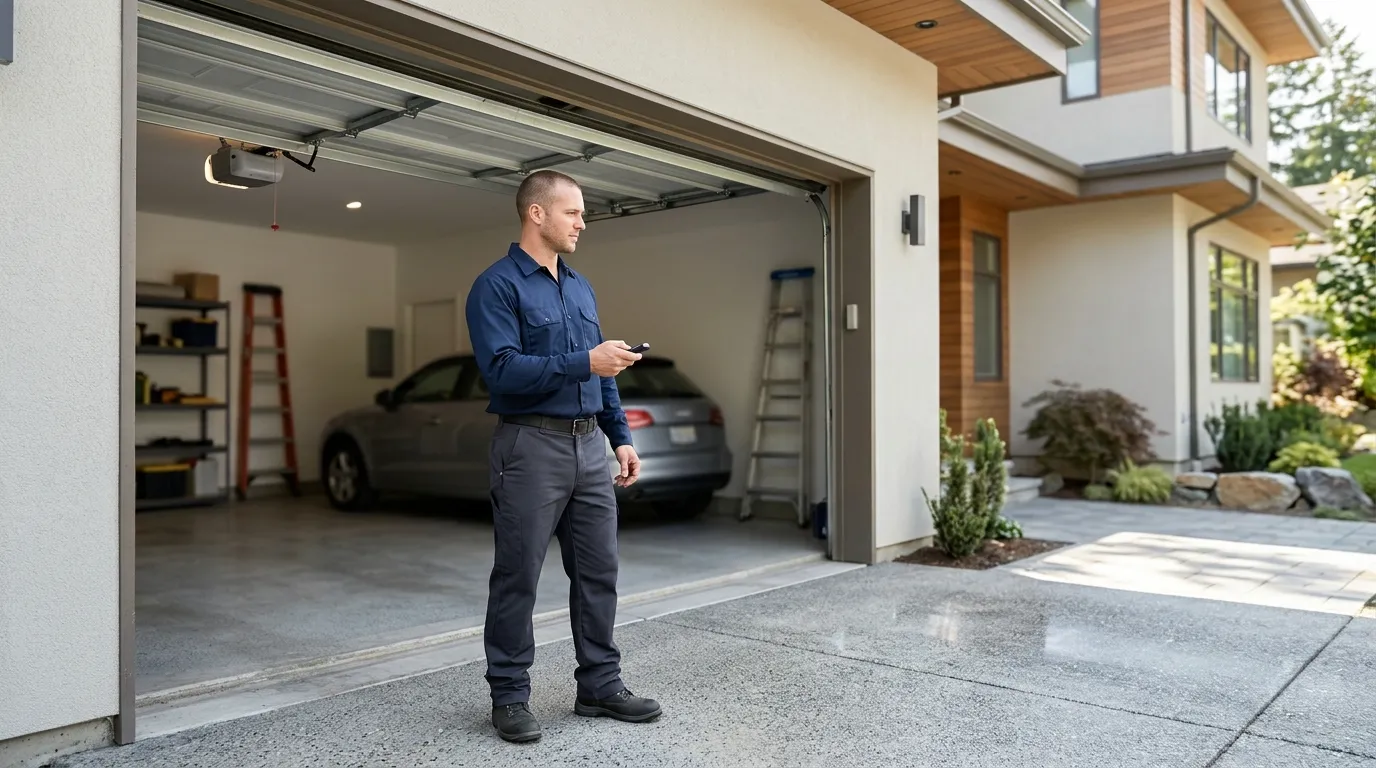
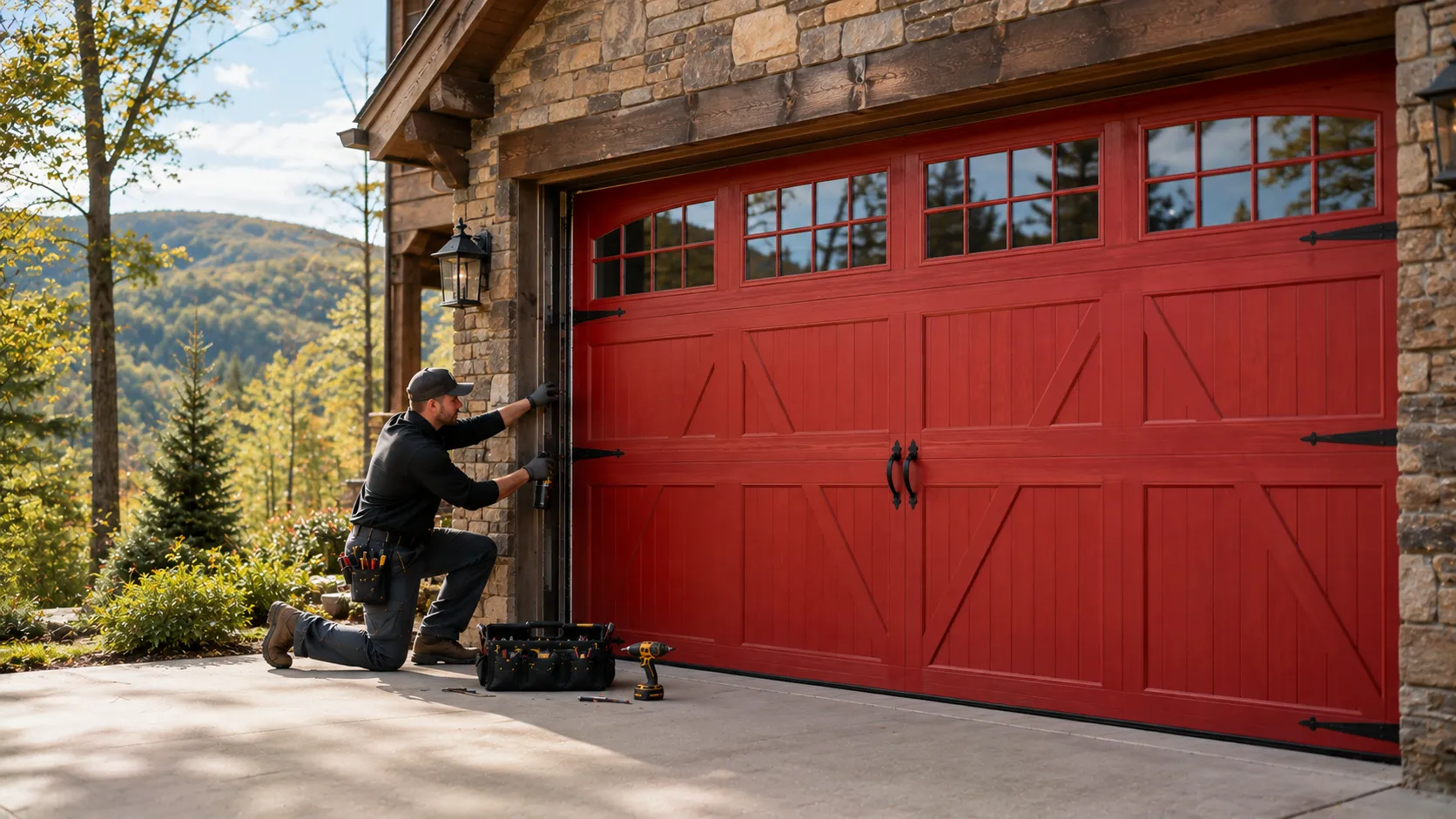
Satsuma is a small town - about 2,443 households - so the work that comes up here isn't high volume, but it's consistent, and a fair number of the calls we get are homeowners who tried something first. Swapping a roller or tightening a hinge bolt is fine to do yourself. A torsion spring under load is not - those things store enough energy to break a hand or worse, and we don't recommend it no matter how many videos you've watched. If your opener is just clicking and not moving, check the wall switch and the safety sensors at the bottom of the track before you assume the motor's dead; that's a five-minute check that saves you a call. Past that - cables, bent track, anything where the door won't sit level - call it in. We're honest about this: some jobs are a $12 part and twenty minutes, and we'd rather tell you that on the phone than roll a truck for it.
Parts We Carry
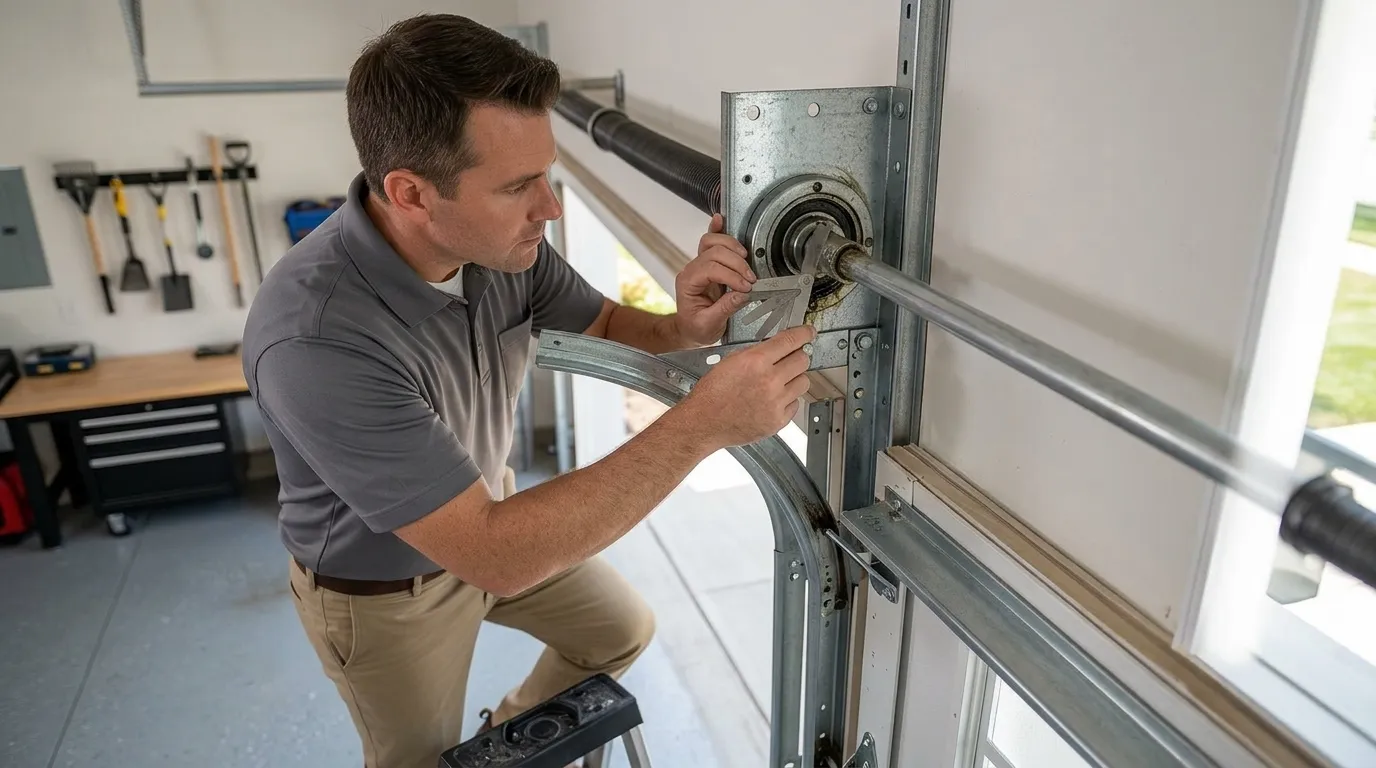
With a median build year around 1979, a lot of Satsuma's garage doors are on their second or third opener but original torsion hardware, or close to it. We carry standard torsion springs sized for single and double doors from that era, along with the rollers, cables, and hinges that wear out on doors this age - the failure points are pretty predictable once a door's been in service for four decades. We also stock common opener circuit boards and logic units for the mid-market brands that show up across this part of the service area. What we don't carry on the truck is anything obsolete or proprietary - if your door has a wall unit or drive system from a manufacturer that's since discontinued the line, that part may need to be ordered, and we'll tell you that cost and lead time up front rather than guess at it.
How It Shows Up
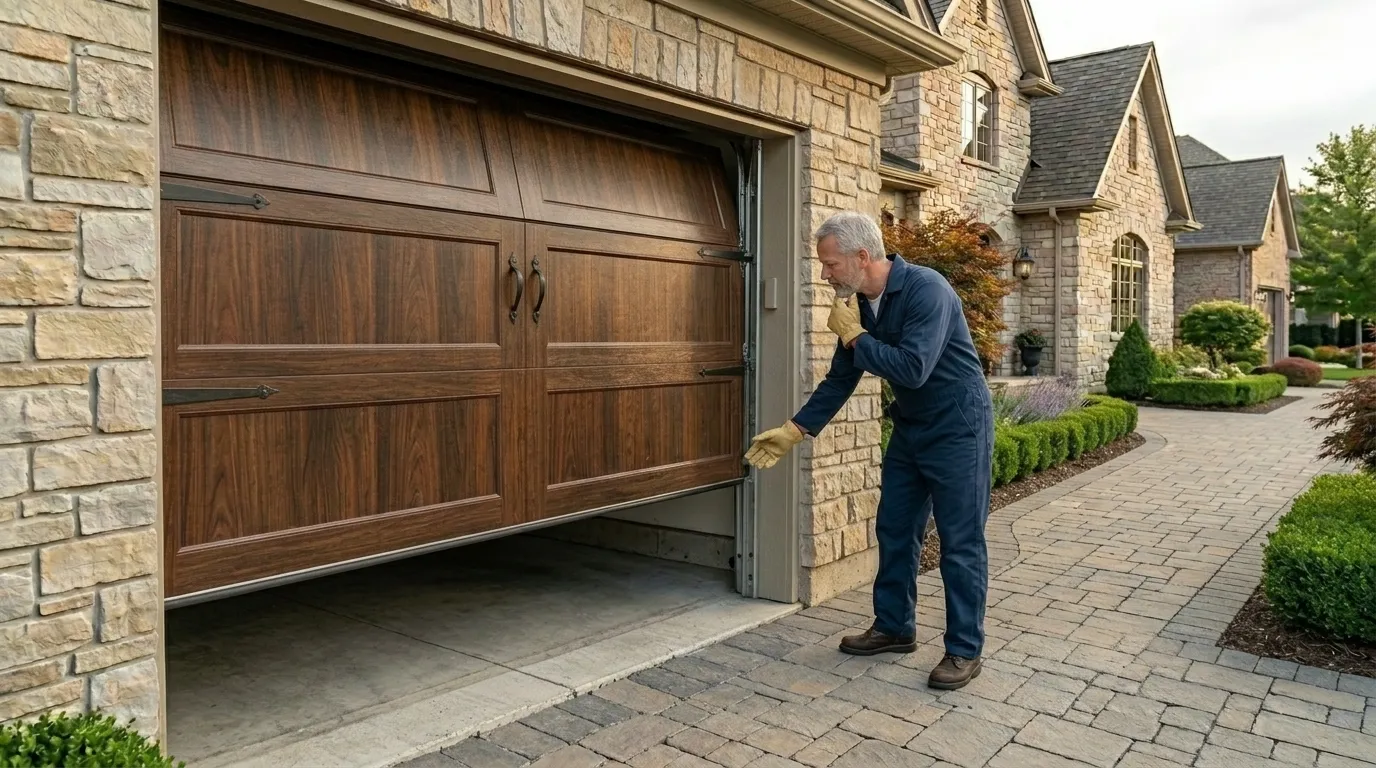
Usually it's not dramatic. The door starts sagging on one side when it's about halfway up, or it makes a grinding pop right before it stops moving - that's a spring going, not the opener. Sometimes it's slower: the door's been a little louder for months, taking an extra second to start moving, and then one morning it just doesn't lift at all. On the opener side, a board that's failing tends to show intermittent behavior first - works fine, then doesn't, then works again - before it quits for good. None of this is unique to any one house, but on a stock of doors mostly from the late 70s and 80s, it's less