Can You Do This Yourself
A lot of Satsuma houses were built around 1979, which puts them ahead of the broader service area's median build year of 1990. That decade gap matters more than it sounds like it should. Doors and openers from the late 1970s often ran on hardware that's been replaced twice over in newer subdivisions - extension springs instead of torsion, chain openers with no battery backup, and steel that's thinner gauge than what's sold today.
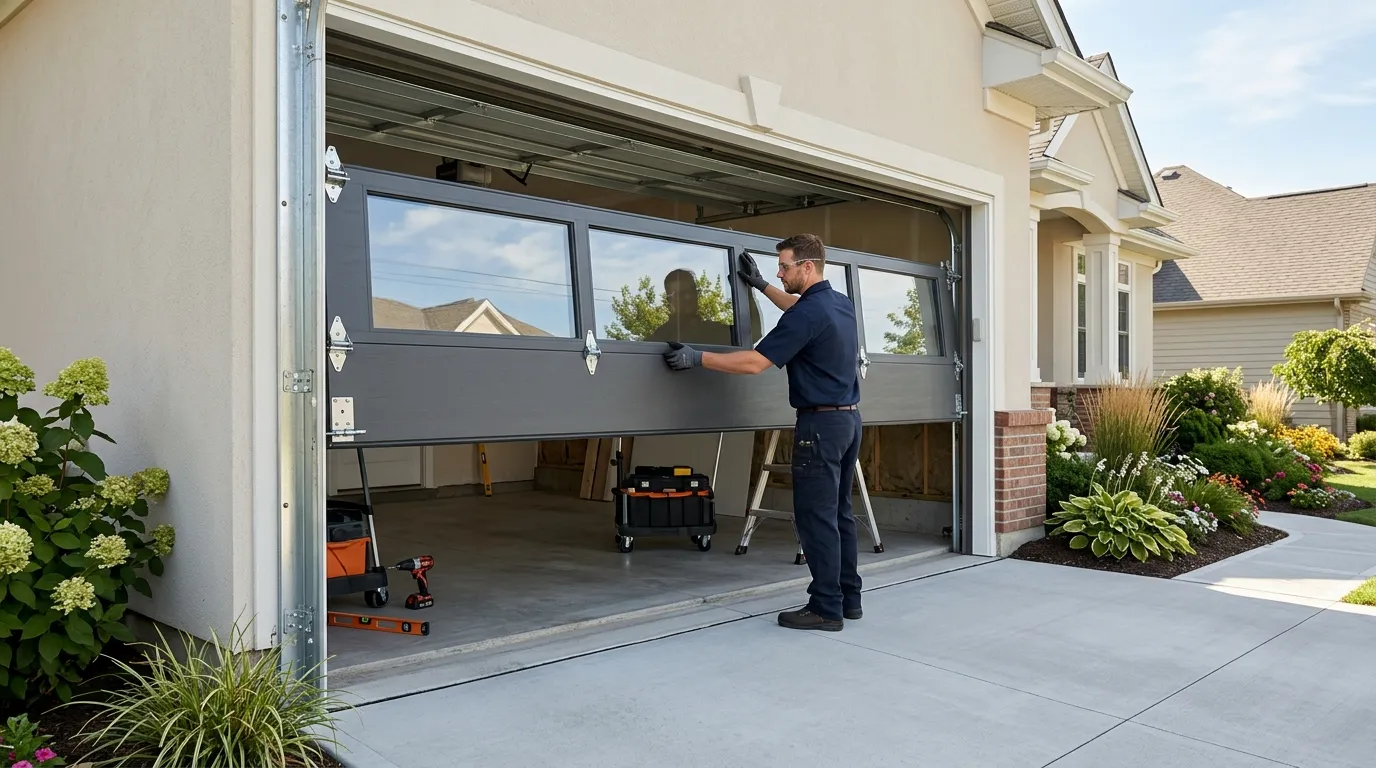
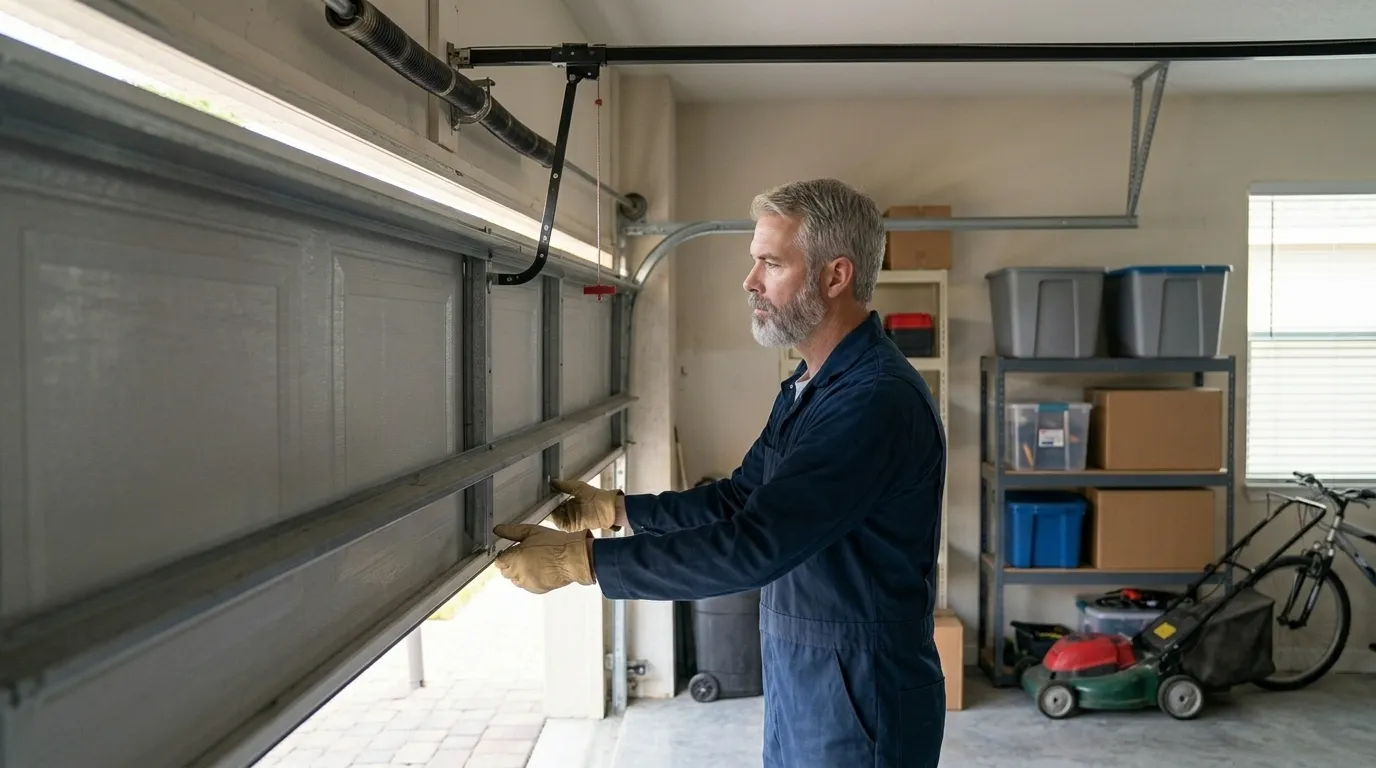
If your door won't open and the springs look intact, you can sometimes walk it up by hand to get a car out, then leave it alone. What you shouldn't do is cut a wound extension spring or force a torsion drum past a broken cable - that's how people lose fingers or worse. If the opener is dead but the door moves freely by hand, that's a safe DIY diagnostic step. If a spring has snapped, or a panel is bowed and jammed in the track, stop and call. We're honest that this isn't a job to learn on your own door, especially on older extension-spring setups where the parts and the tension don't match anything at the hardware store.
Parts We Carry
Because Satsuma's housing stock leans older than the area median, we carry parts on the truck that cover both eras: standard torsion springs sized for newer double doors and the lighter-duty extension springs and pulleys more common on houses from the late 1970s. We also stock replacement rollers, end bearing plates, and cables that fit the older track profiles still bolted into a lot of these garages.
What we don't always carry is a wound spring built for a discontinued door width - some original 1970s single-car openings run narrower than today's standard, and if the coil isn't a stock size, that's a special-order part with a lead time we can't shorten. We'll tell you up front if that's the case rather than promise same-day on something we can't get same-day.
How It Shows Up
On the older end of Satsuma's housing, the first sign is usually a door that runs slower than it used to, or one that reverses partway up before catching. That's a spring losing tension, not an opener problem, even though it feels like the motor is struggling. On newer torsion-spring homes, the more common call is a door that's completely stuck - won't move up or down, opener humming but the drum not turning.
A loud bang from the garage, followed by the door refusing to lift, is almost always a broken spring regardless of the house's age. A door that drifts down on its own after you close it points to a cable or spring that's lost its hold, which is common on the extension-spring homes here given how long some of that original hardware has been in service.
How Long It Takes
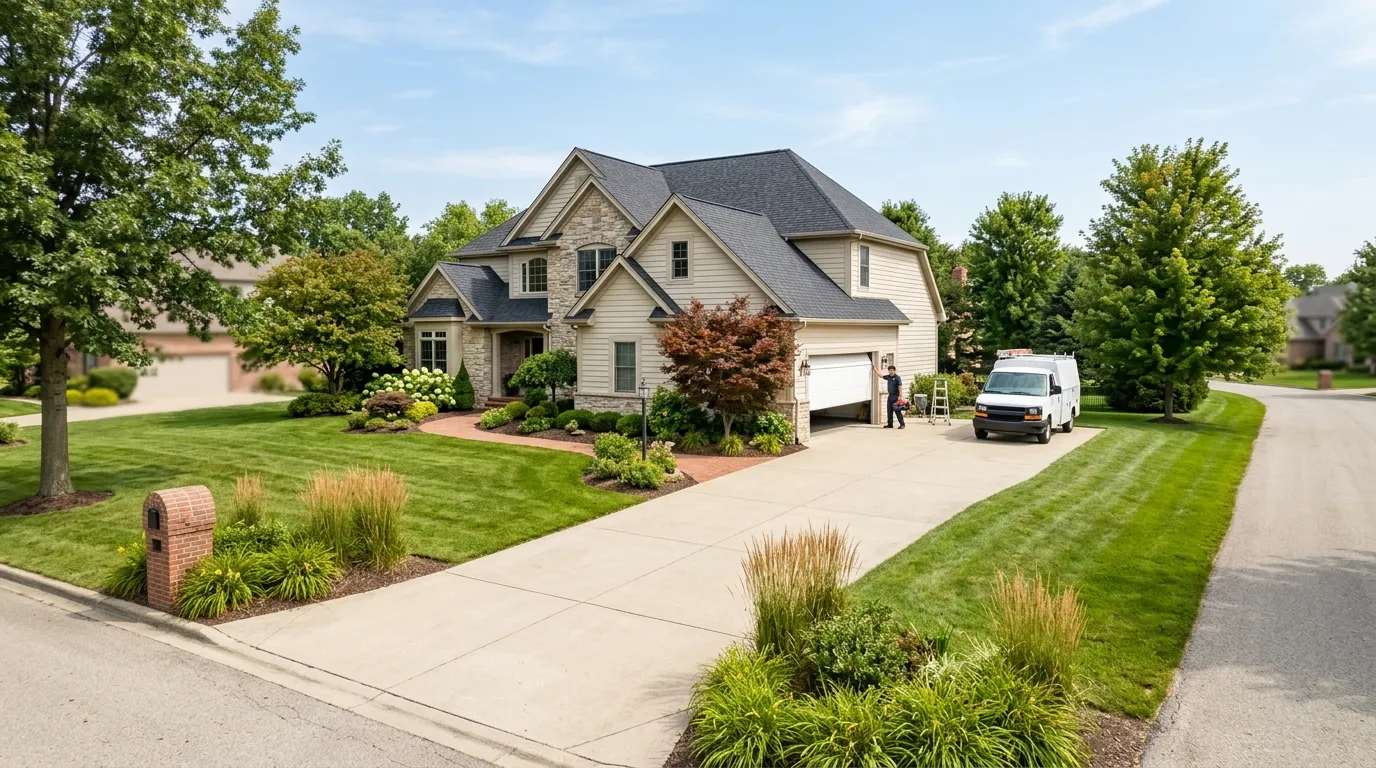
We travel from Daphne to reach Satsuma, about 19 miles out, so the drive is part of the job every time - we don't have a branch here and won't claim otherwise. Once we're on-site, most spring and cable jobs on standard-width doors are a same-visit fix if the part is a stock size. Non-standard widths from older 1970s construction sometimes mean we diagnose on the first visit and come back once the part's in.
With 2,443 households in Satsuma and a median income noticeably higher than the wider service area's $60,922, we see more full opener replacements requested here rather than patch repairs - people choosing to replace an aging unit rather than nurse it along. Either way, tell us the age of your door and whether it's ever been serviced when you call; that shapes what we load on the truck before we drive out.