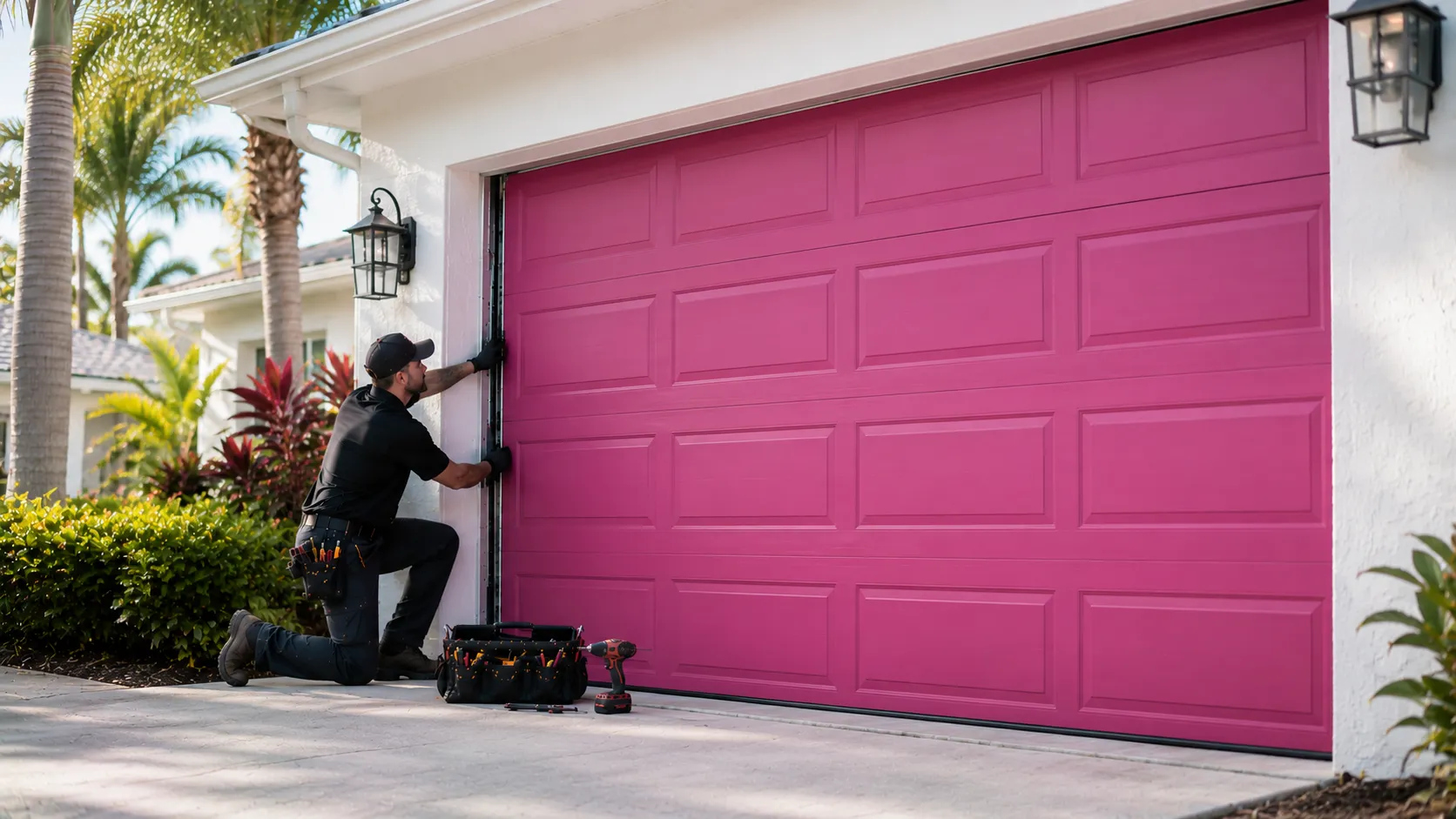
Can You Do This Yourself
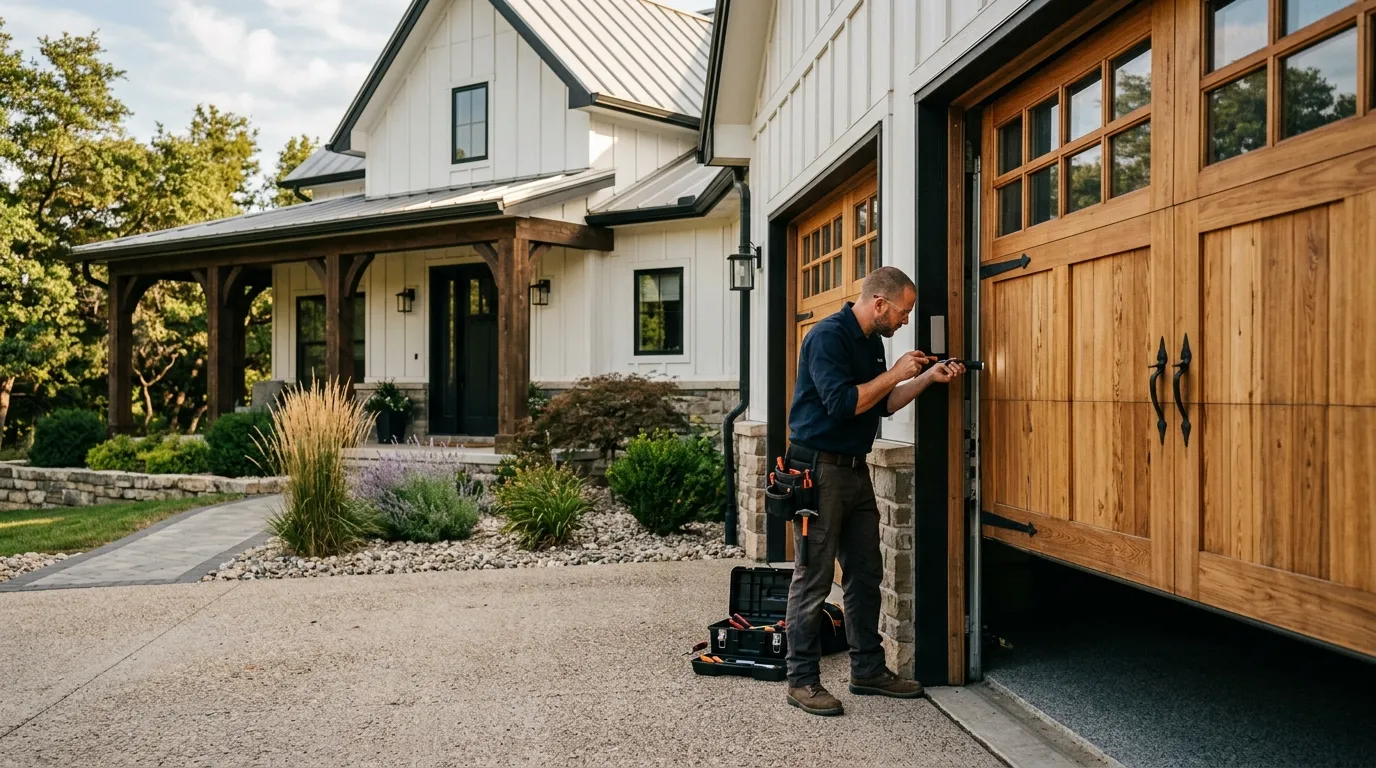
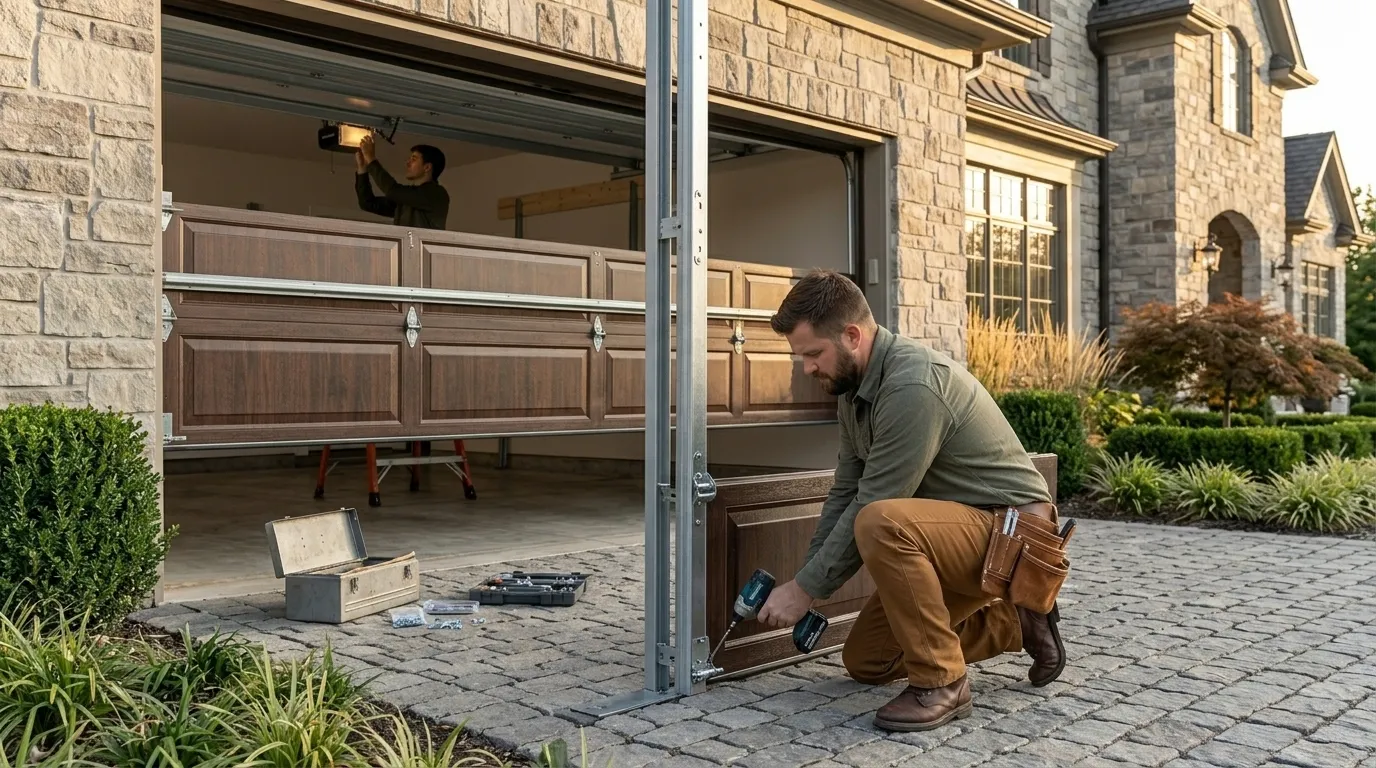
A lot of Satsuma owners ask this, and the honest answer depends on what you're replacing. Swapping a garage door opener with a compatible unit on existing track is within reach for someone comfortable with a drill and a ladder. Replacing the door itself is a different job. Torsion springs store enough energy to break a finger or worse, and on houses built around 1979, the track brackets and header clearance were sized for panel dimensions that don't always match what's sold off the shelf today. If your opening is a standard size and you're just swapping hardware, fine. If the framing or headroom is original to a 1979 build, get someone to measure first - a door that doesn't fit the opening square is a bigger problem than the one you started with. We won't talk you out of a DIY opener swap. We will tell you when the opening itself is the issue, not the door.
Parts We Carry
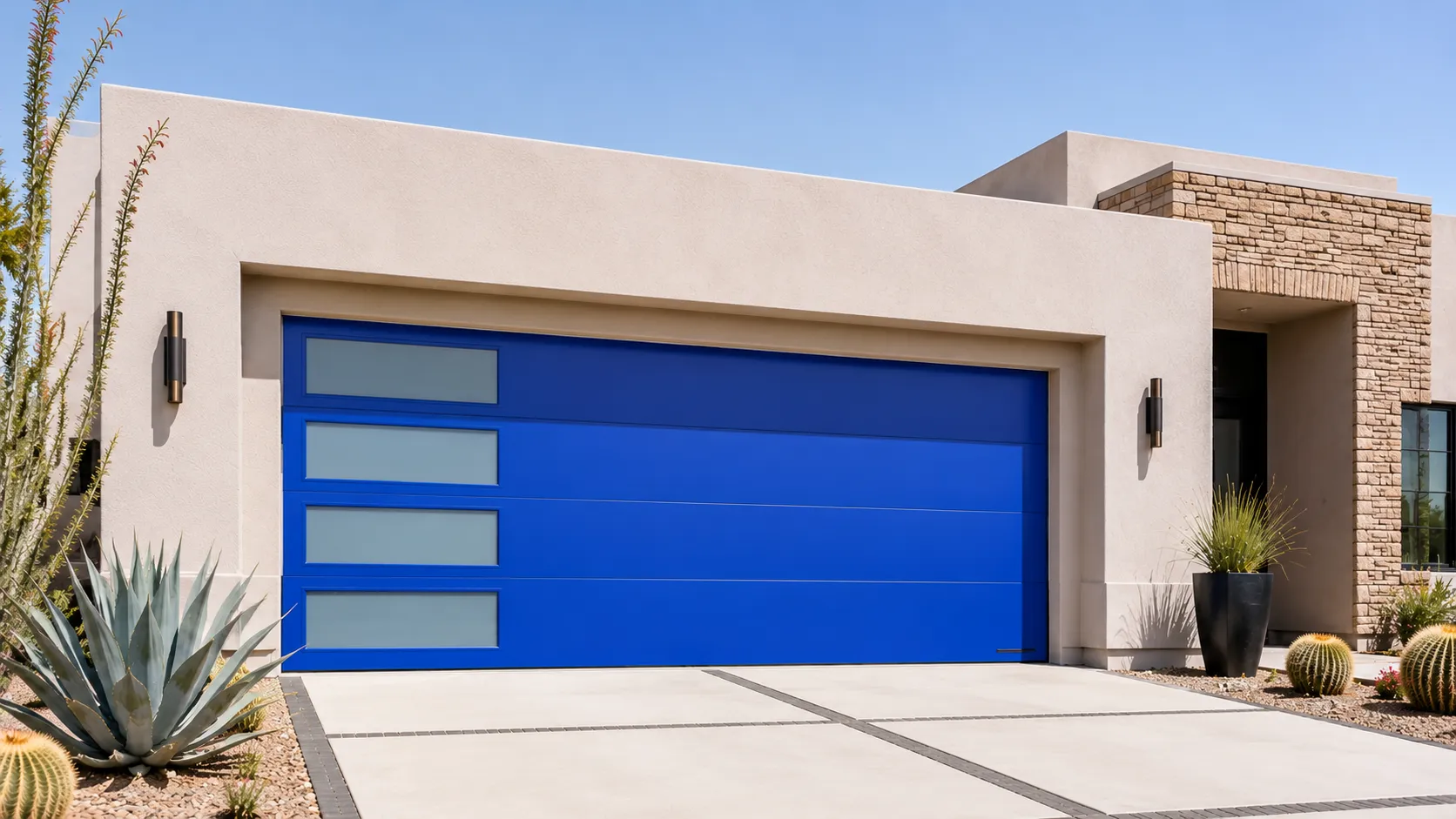
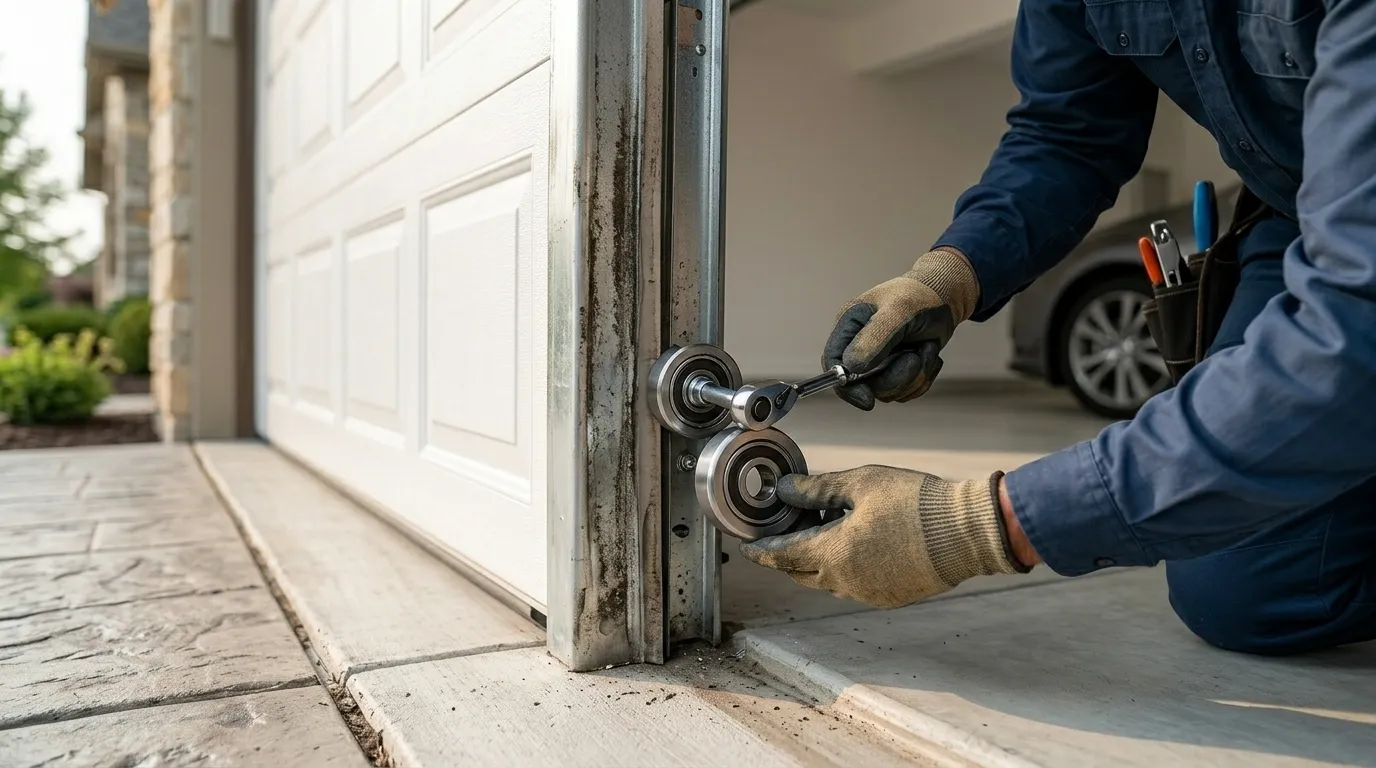
For Satsuma jobs we stock insulated steel sections in the widths that fit older single and double openings, along with torsion springs matched to door weight rather than a generic size. Given the income level here - median household income runs $97,550, well above the $60,922 median across the wider coverage area - more owners are choosing insulated steel over the thinner builder-grade panels that went in originally. We also carry standard nylon and steel rollers, galvanized track sections, and openers with battery backup, which matters more once you've had a power blink during a storm than most people expect going in. What we don't stock on the truck is anything custom-milled - wood-look composite in nonstandard widths or a specialty color match. Those are special-order items with a lead time, and we'll tell you that up front instead of quoting a date we can't hit.
How It Shows Up
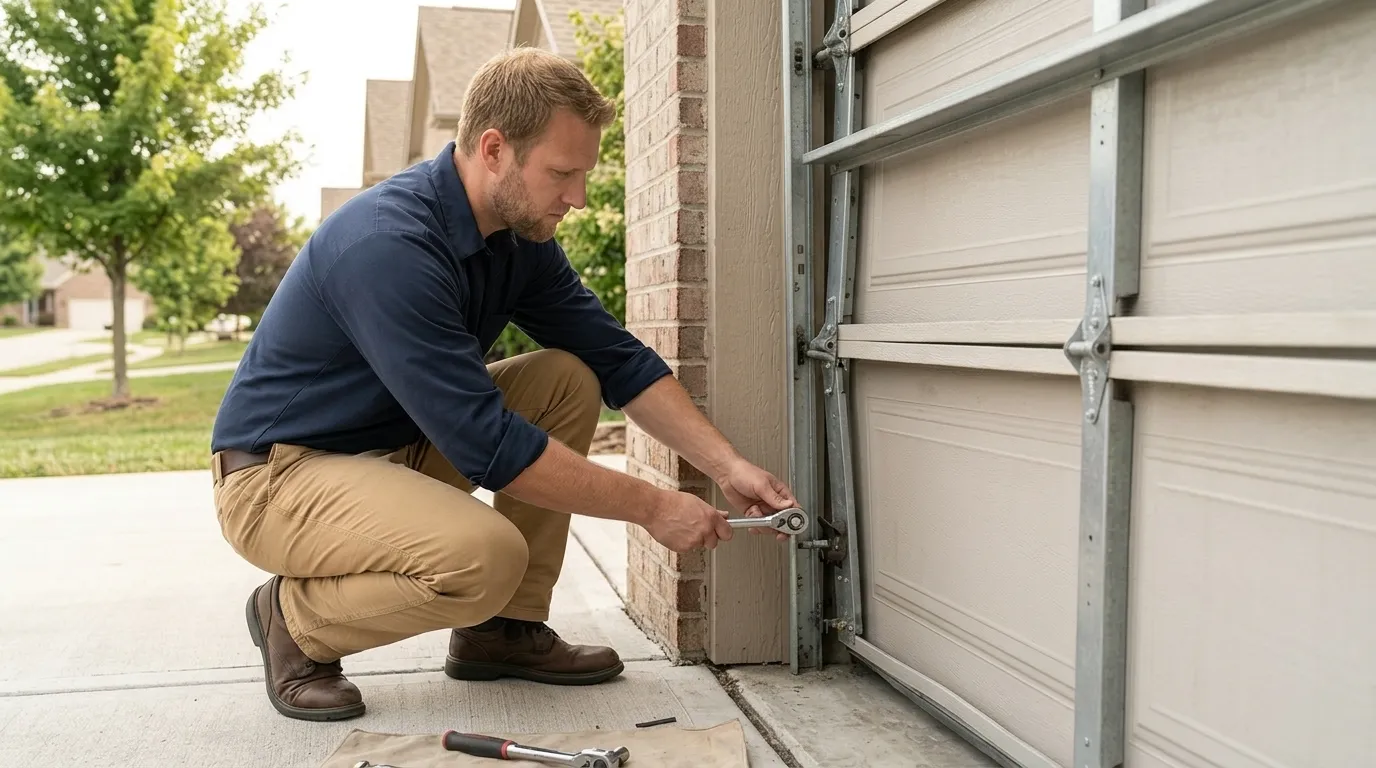
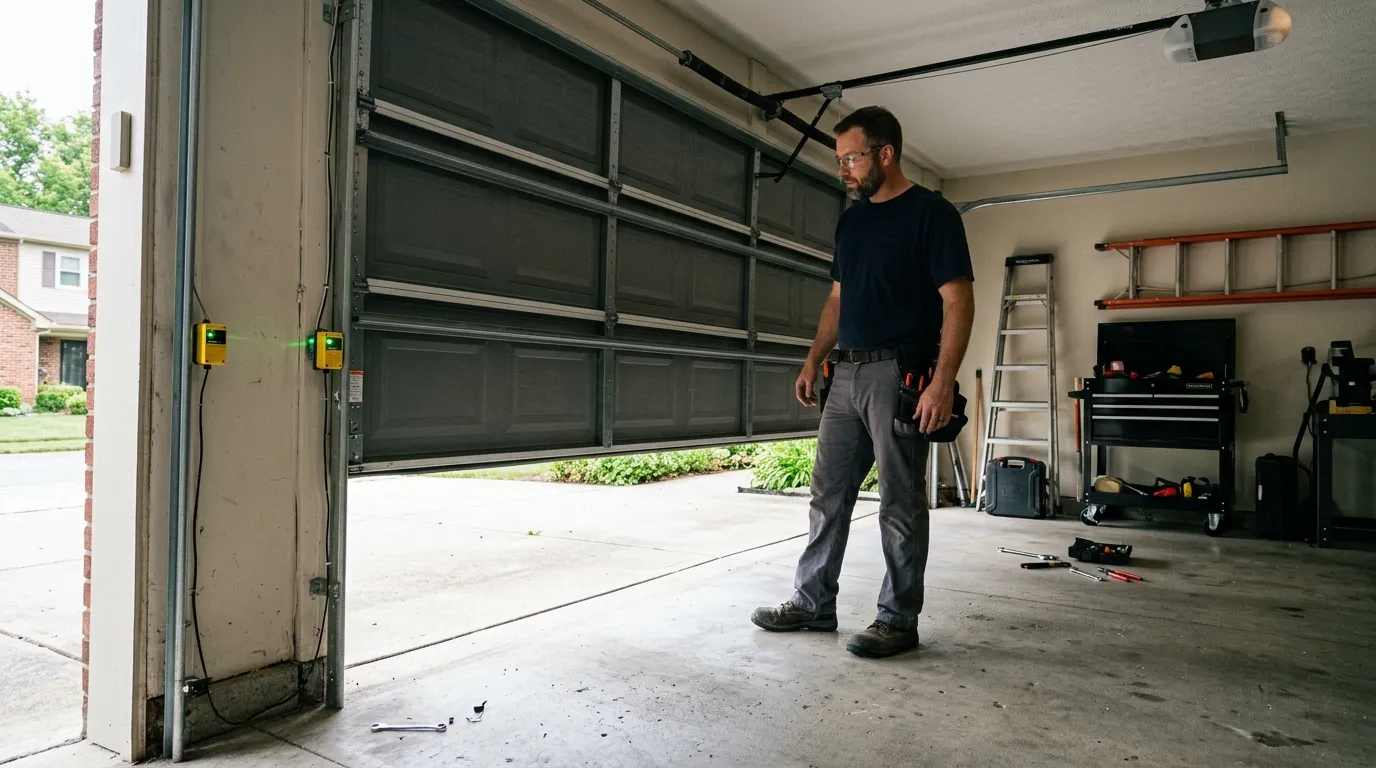
On a door installed when the house was newer, this usually starts as noise - a grinding or popping when the door travels, or a door that reverses partway up for no clear reason. On original 1979-era hardware, it's more often binding: the door catches at the same spot every time because the track has shifted slightly out of parallel over the years, or a roller has worn down enough that it's riding the edge of the track instead of the channel. Some owners notice the door is simply heavier to lift by hand than it used to be, which points to a spring that's lost tension rather than anything wrong with the door panels themselves. None of these are emergencies on their own, but a door that's binding and still being run by an opener every day is wearing out the motor gears faster than it should.
How Long It Takes
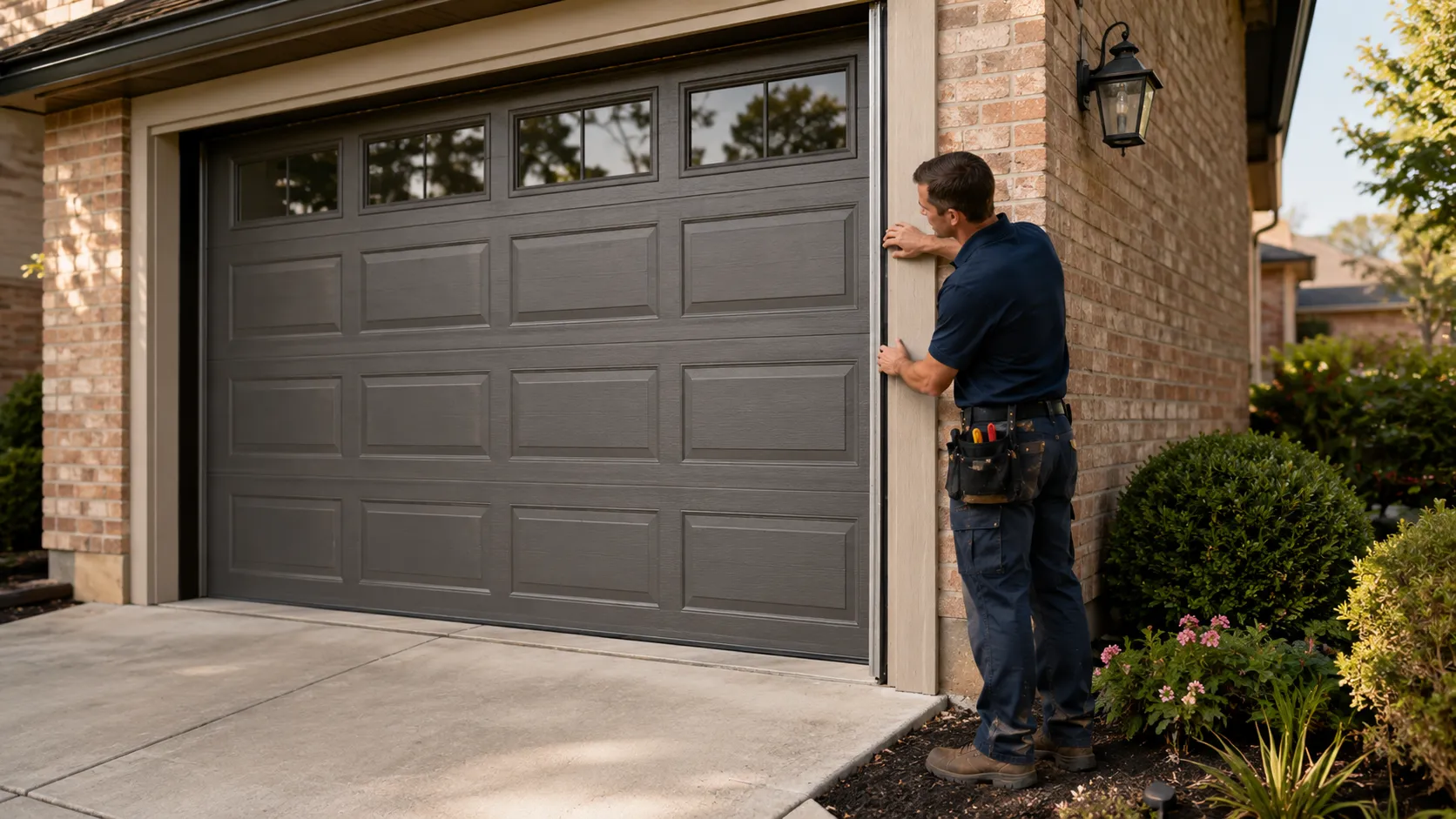
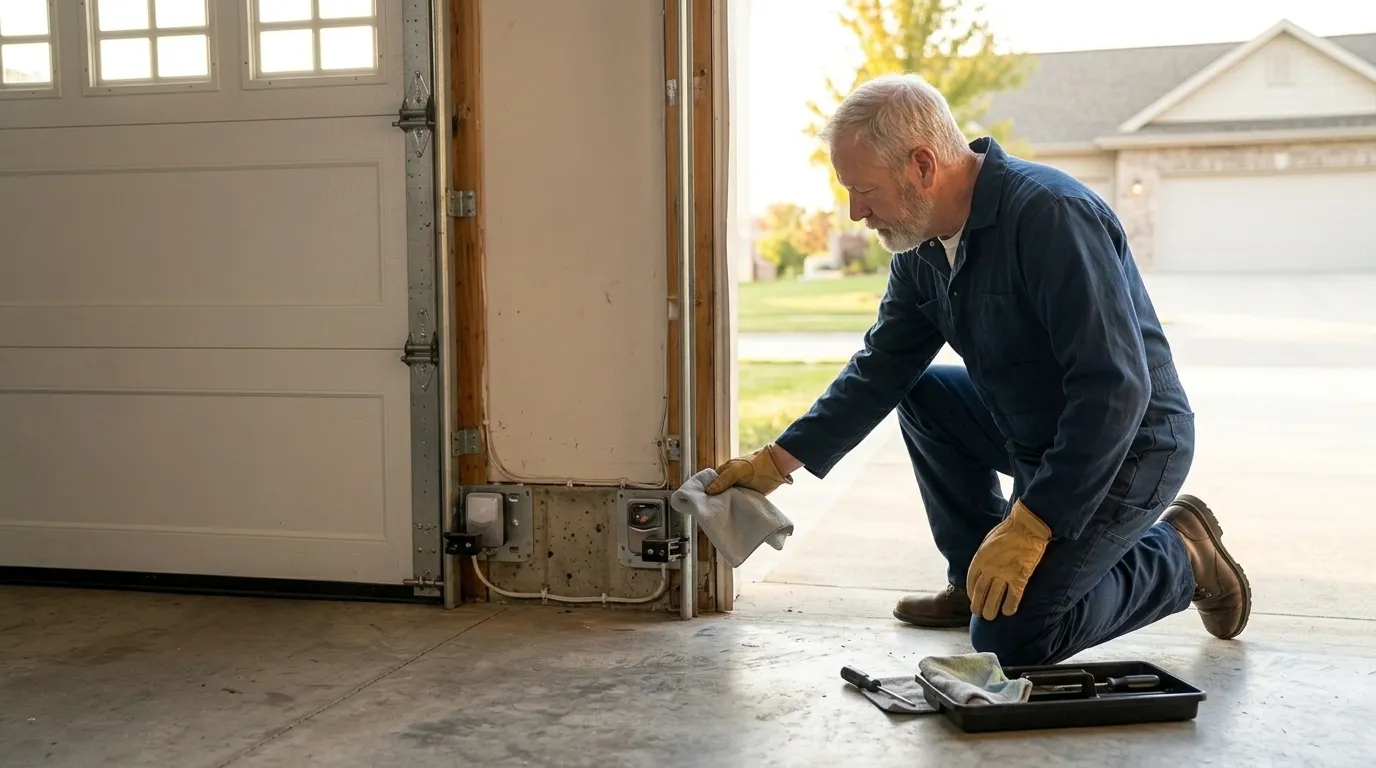
A straight swap - same size opening, in-stock panel and hardware - is typically a same-day job once we're on site. Anything that requires resizing an opening built to older 1979 dimensions, or a special-order panel, adds the lead time for that part to arrive before we can schedule the install. We come out from Daphne, about 19 miles, so we schedule Satsuma jobs in blocks rather than promising a same-morning call - if timing matters for your household, say so when you book and we'll tell you honestly whether that's realistic for the parts involved.