Can You Do This Yourself
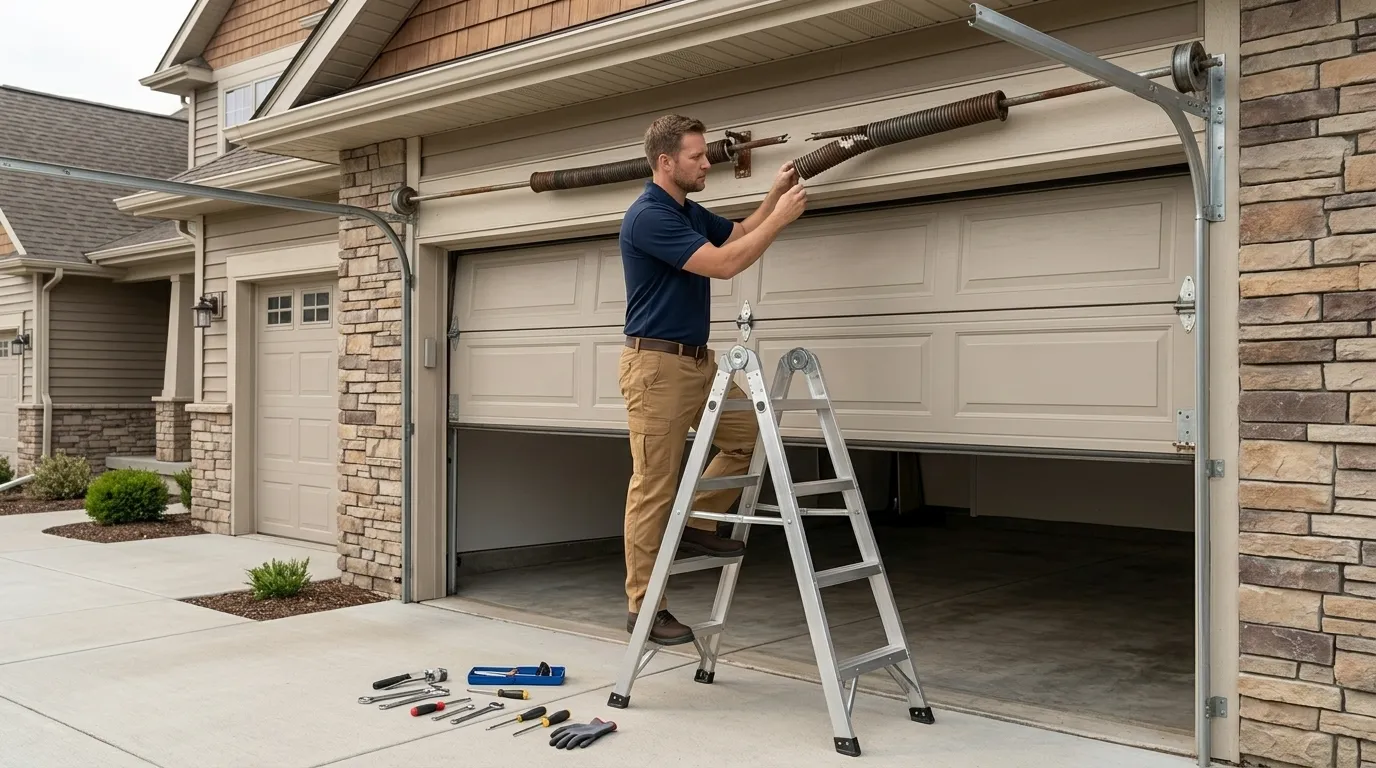
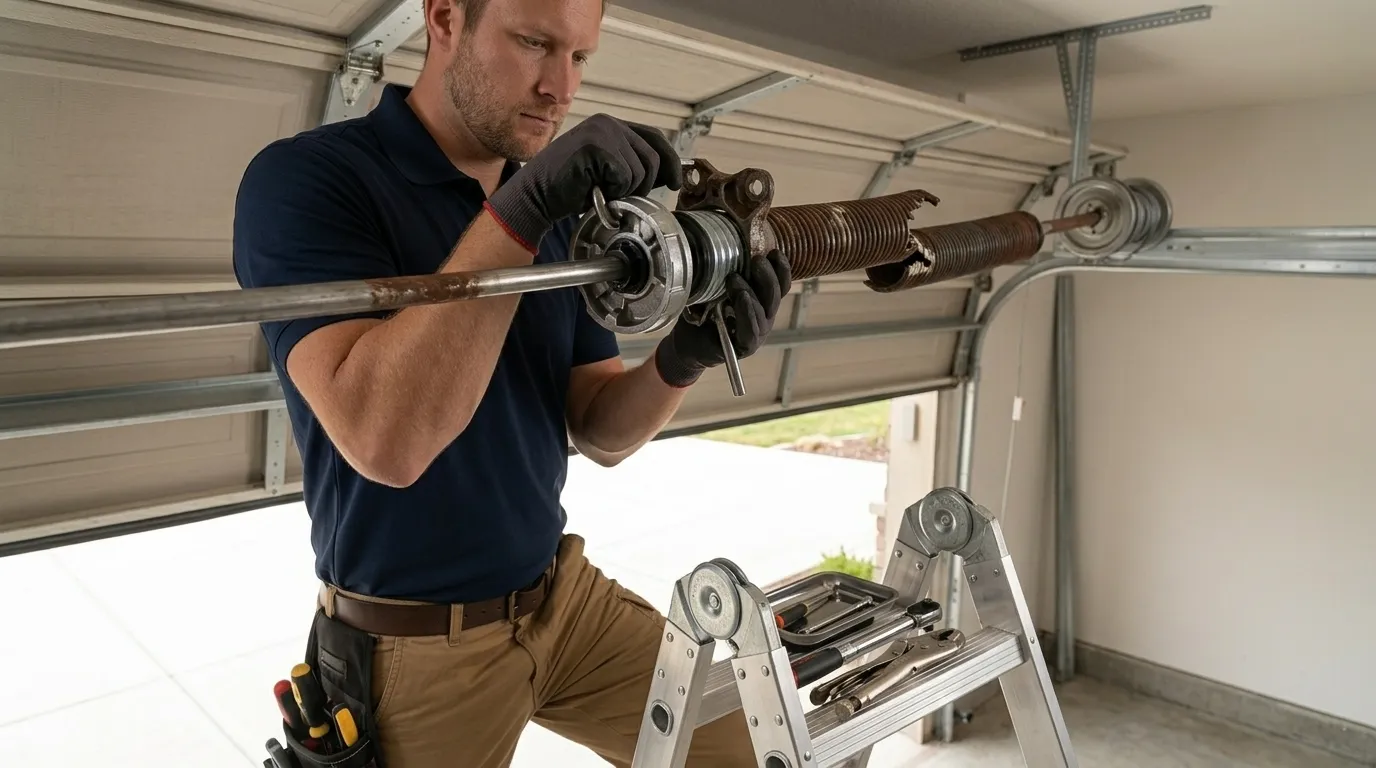
Most houses in Tillmans Corner went up around 1983, which puts the original door hardware squarely in the era of torsion springs mounted on a single center shaft, sometimes paired with an extension spring setup on the cheaper builds of that decade. A snapped torsion spring on one of these doors is not a DIY job - the spring is wound under enough tension to break a hand or a face if you don't have the winding bars and know the turn count for that specific door width. Extension springs are a bit more forgiving to look at, but the safety cables that are supposed to catch them are often missing or perished on a door this age, and that's the part that actually hurts someone.
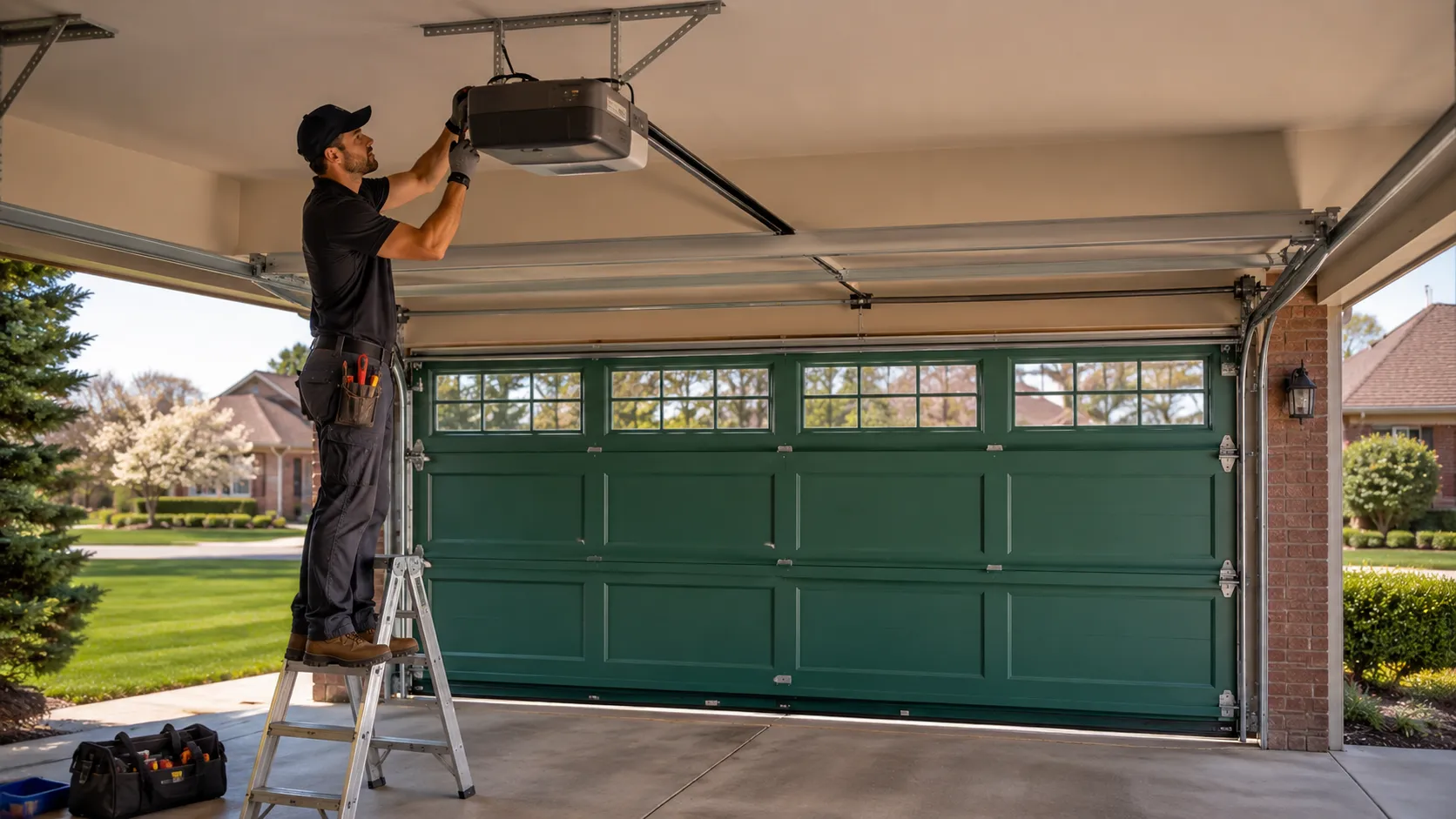
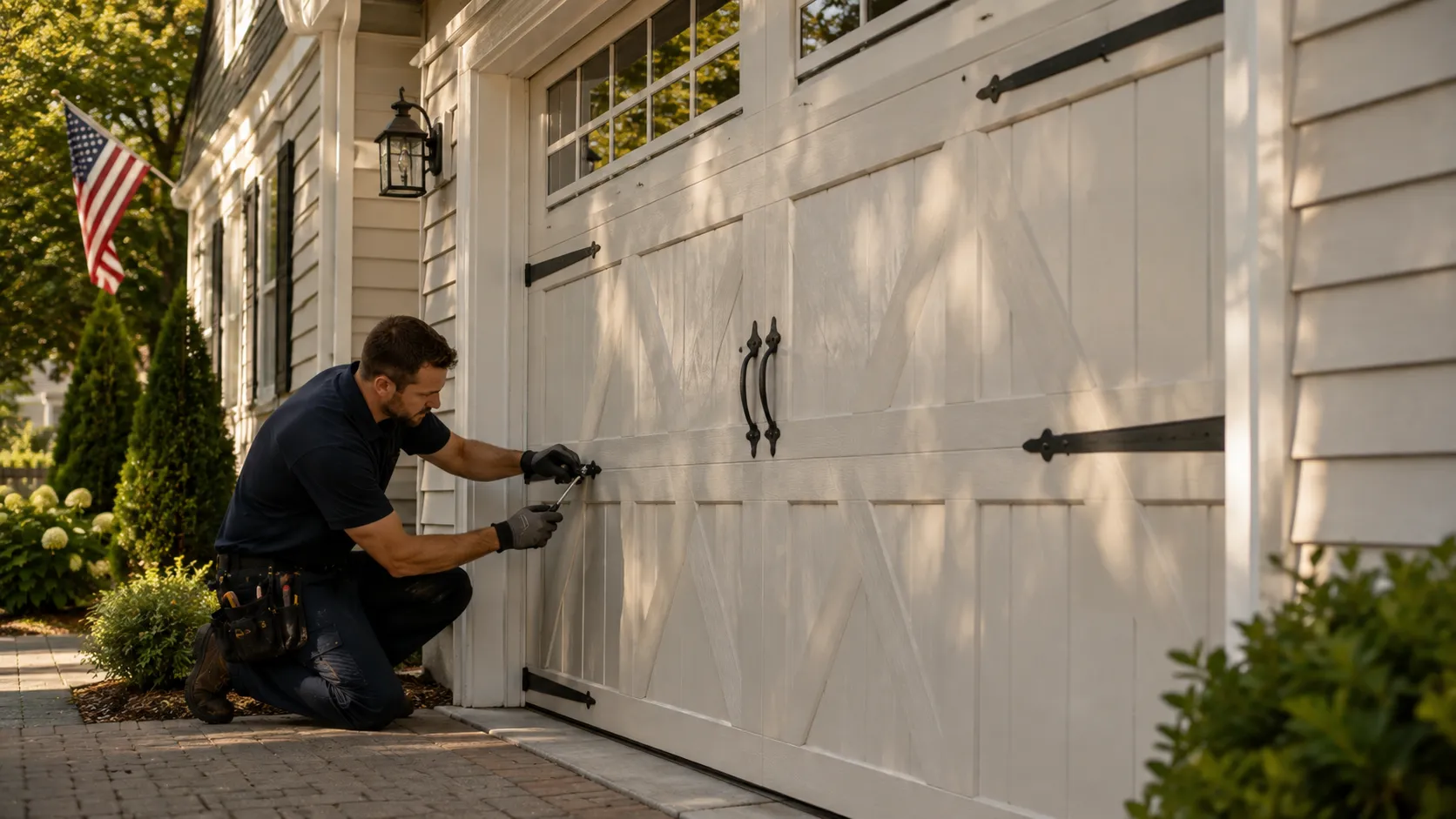
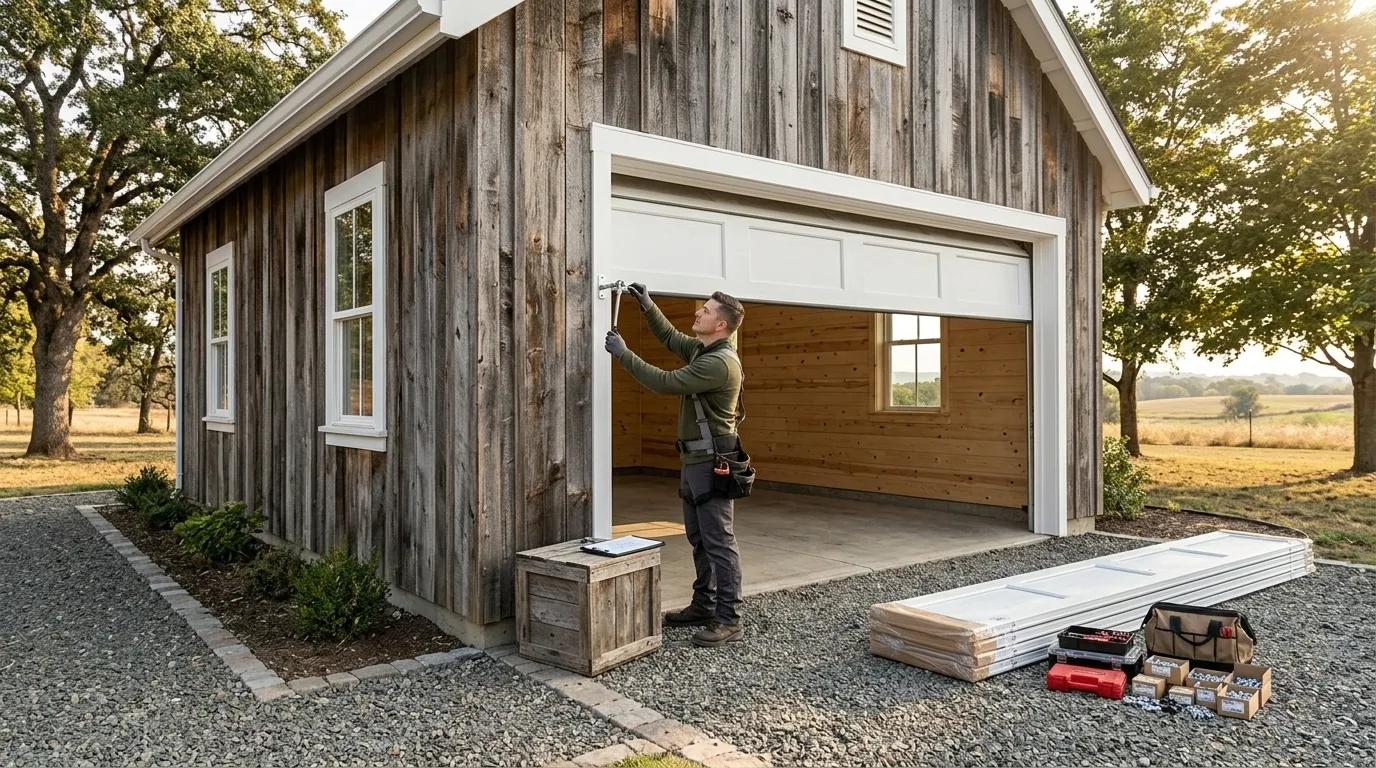
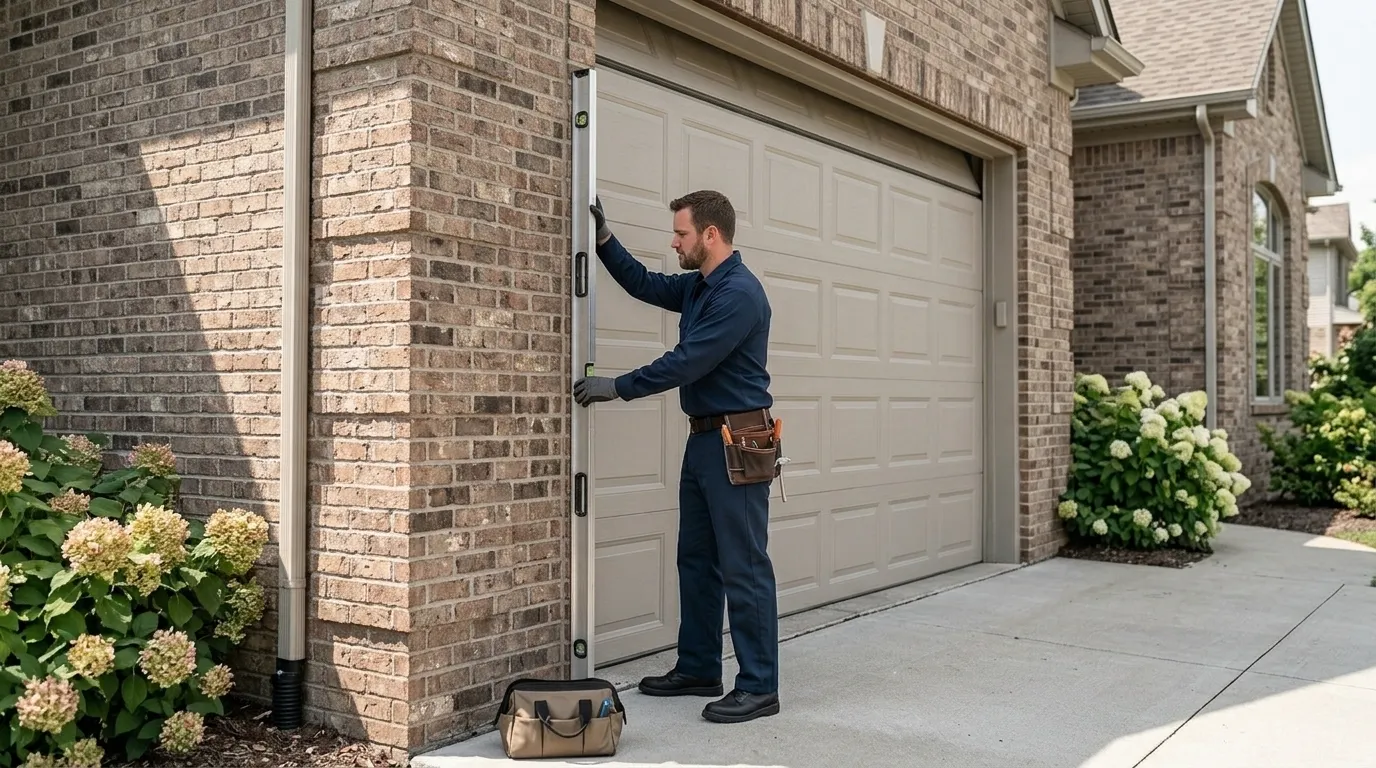
What you can check yourself: whether the door is binding on a bent track, whether a roller has cracked, whether the opener's photo-eye sensors are just knocked out of alignment (a common fix after someone bumps a ladder into one). Tighten loose hinge bolts if you can reach them safely. But if the door won't move, won't stay up, or the spring itself is visibly separated, that's a call, not a project.
Getting It Booked In
We're based in Daphne, about 20 miles from Tillmans Corner, so there's no depot or branch out here - every job is a drive from our shop. That distance matters for one honest reason: we can't promise a same-day slot the way a company with a crew already stationed nearby might. What we can do is tell you straight when we can get a truck to you, and we won't quote a response time we can't hold to.
When you call, have the door's approximate age and whether it's a torsion or extension setup ready if you know it - most homes here were built in the early 1980s, so torsion is the safer bet, but plenty of that decade's builder-grade doors used extension springs instead. That single detail changes which springs and cables we load before we leave the shop, which shortens the visit once we're at your house instead of adding a second trip.
What the Fix Involves
On a torsion setup from this era, the fix is usually a spring swap: matching the wire gauge and wind direction to the door's weight, backing off the old spring's tension safely, then winding the new one to the right number of turns for that door width. If the door's on extension springs instead, the job also means checking or replacing the safety cables that should run through the spring - a part builders skipped on plenty of houses in this price bracket back then, and one we won't leave off when we put the door back together.
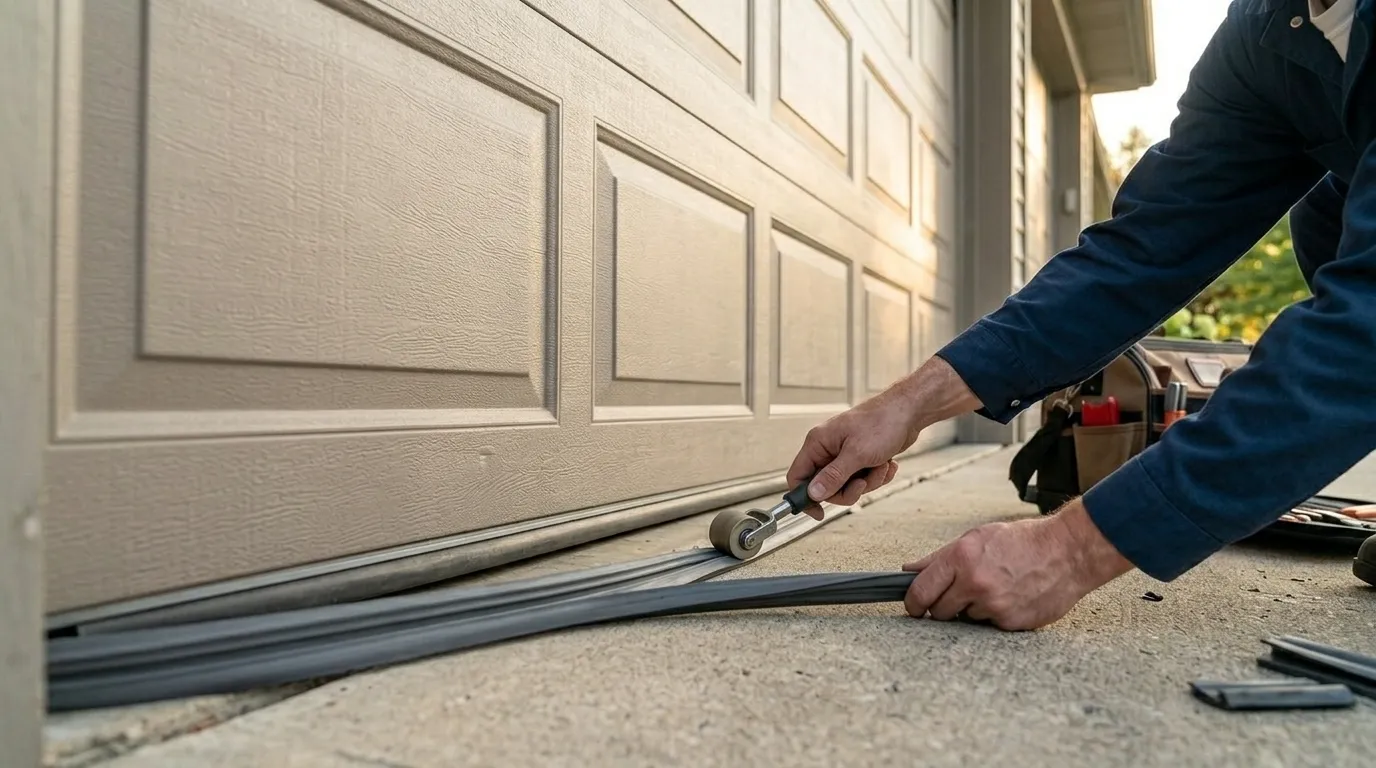
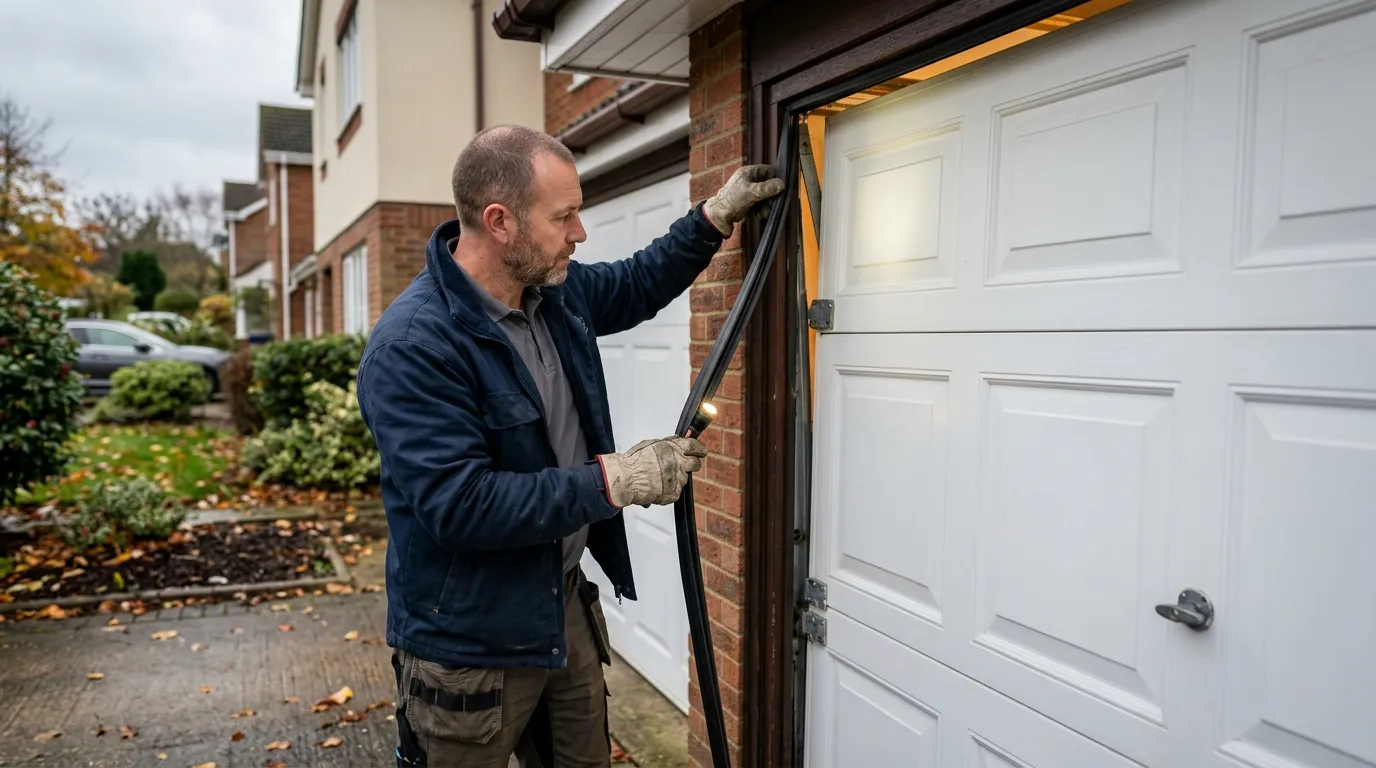
Gulf Coast humidity with mild winters means rust on cables and hinges is a bigger issue here than frozen tracks, so we're usually cleaning and lubricating hardware as much as swapping parts. One limitation worth saying plainly: if the track itself is bent from age or a car backing into it, we'll straighten it if it's salvageable, but a badly warped track usually gets replaced rather than fought with.