What the Fix Involves
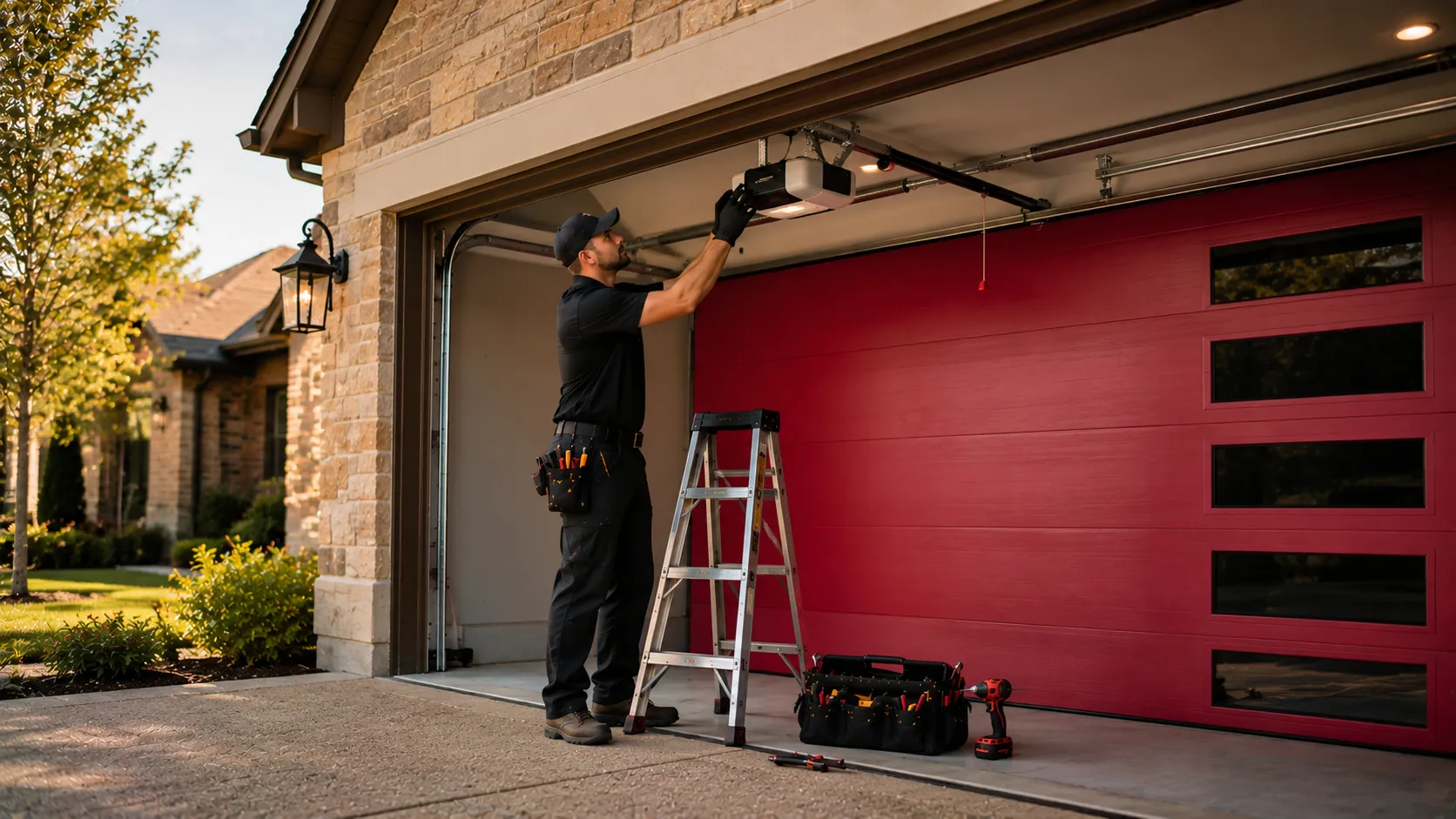
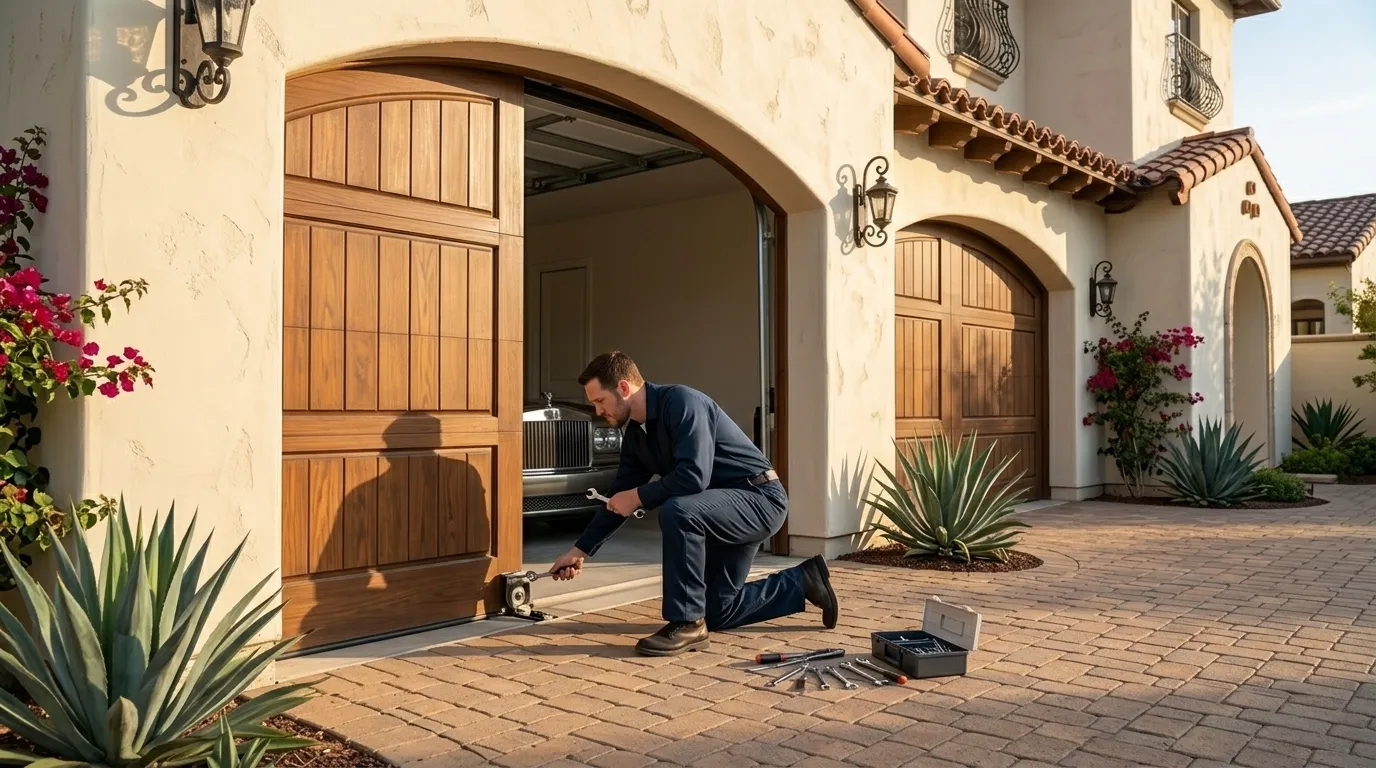
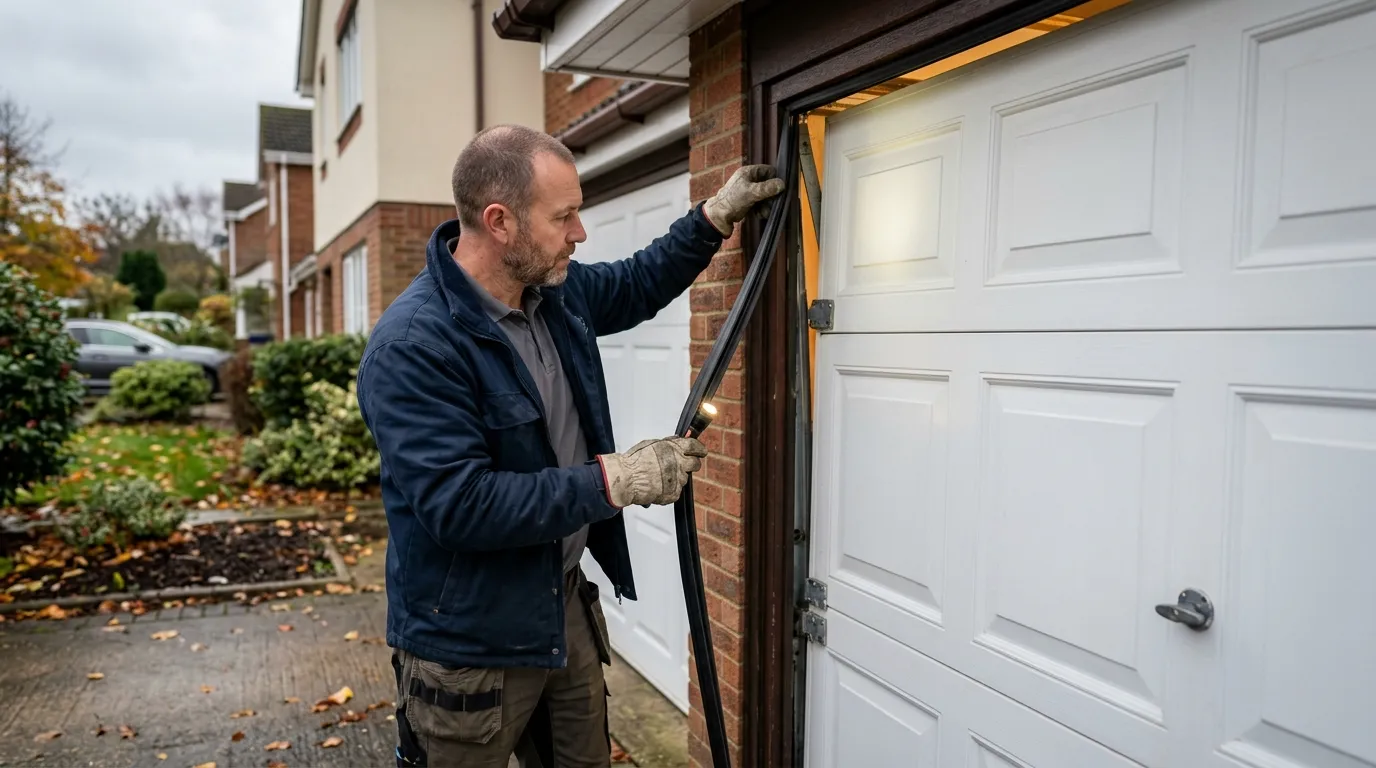
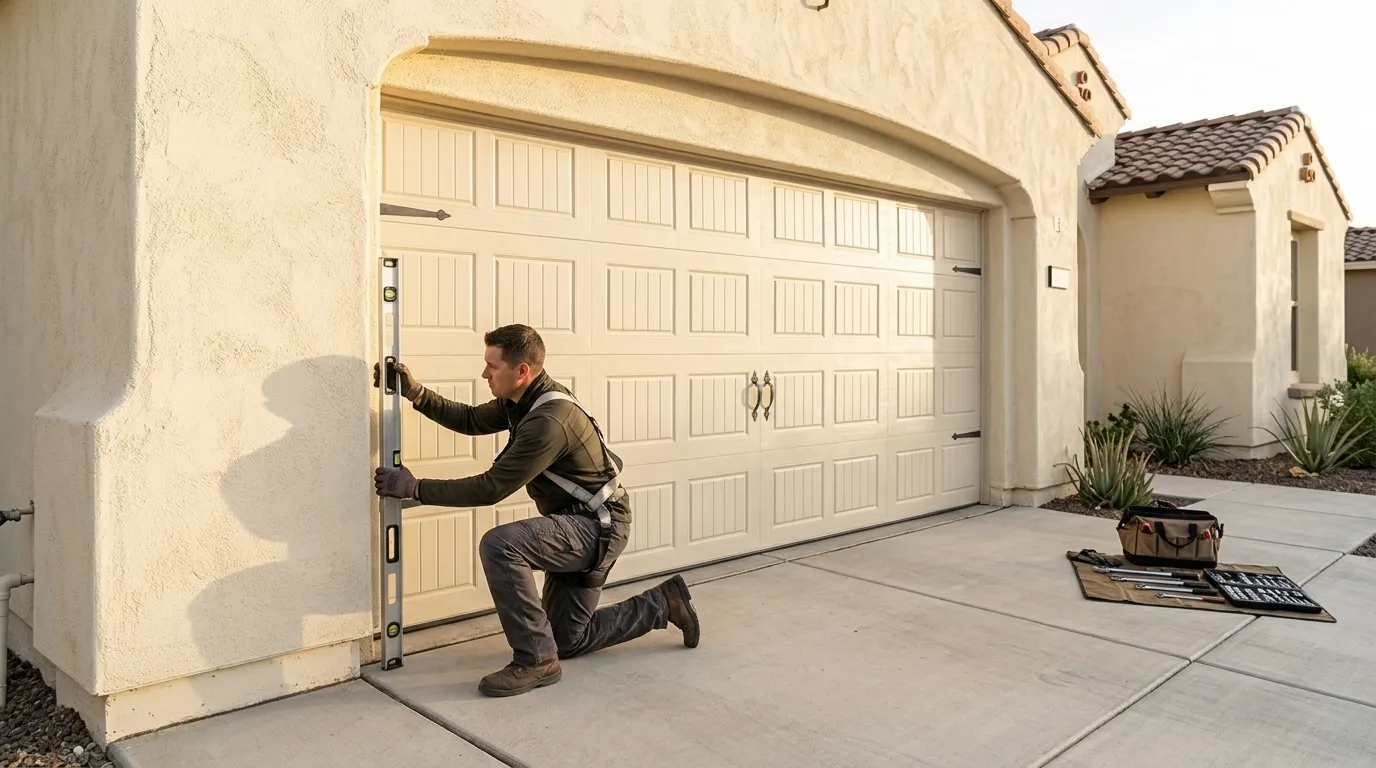
Most houses in Point Clear went up around 1993, and a lot of them still carry the panels the builder put in. That means when one section gets dented, cracked, or rusted through, you're usually dealing with a door that's over thirty years old and long out of production in its original run. We pull the damaged panel or panel pair, match hinge spacing and section height as close as the market allows, and set new panels into the existing track and hardware where that hardware still checks out. If the panel design has been discontinued, which is common at this age, the choice becomes a partial mismatch, a repaint-to-blend job, or a full door swap. We lay out all three before we touch anything, because a homeowner buying only a panel needs to know what they're actually getting for that money.
How It Shows Up
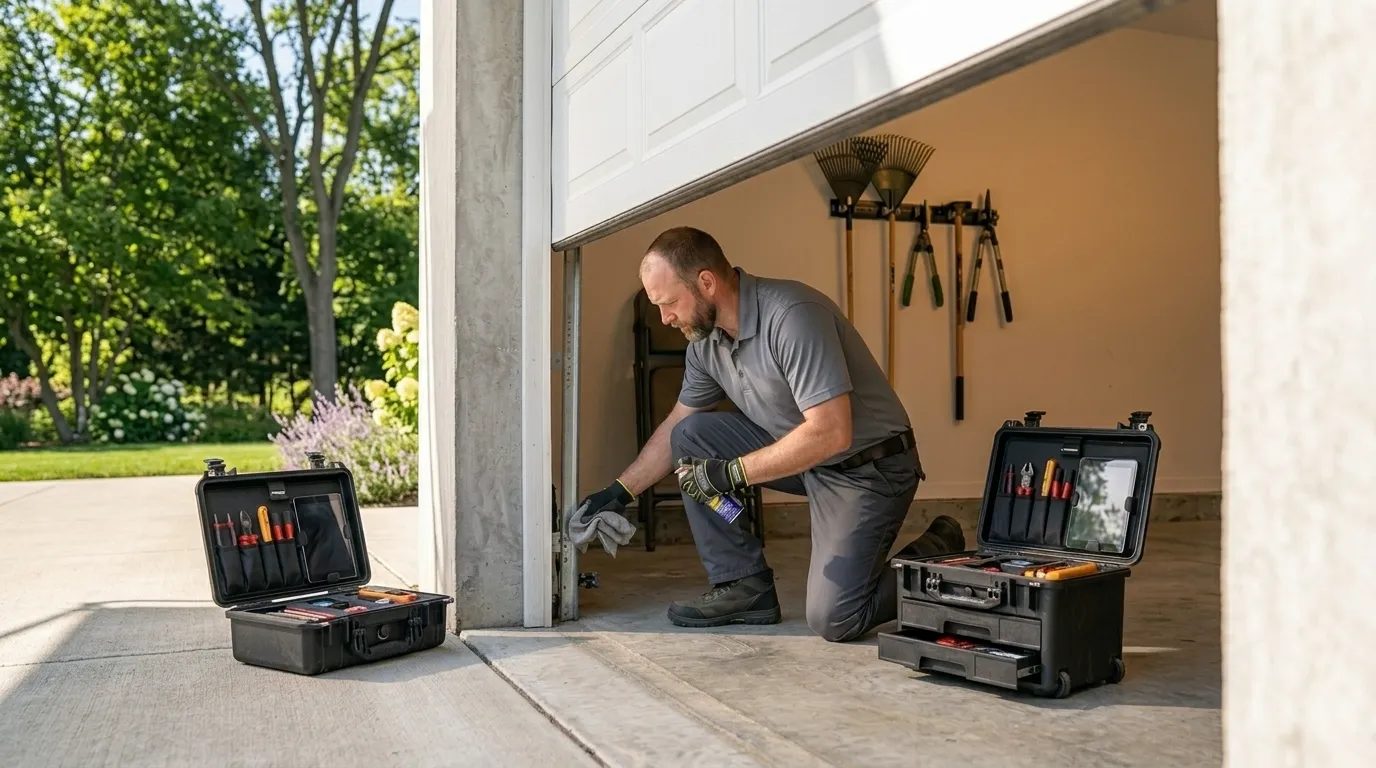
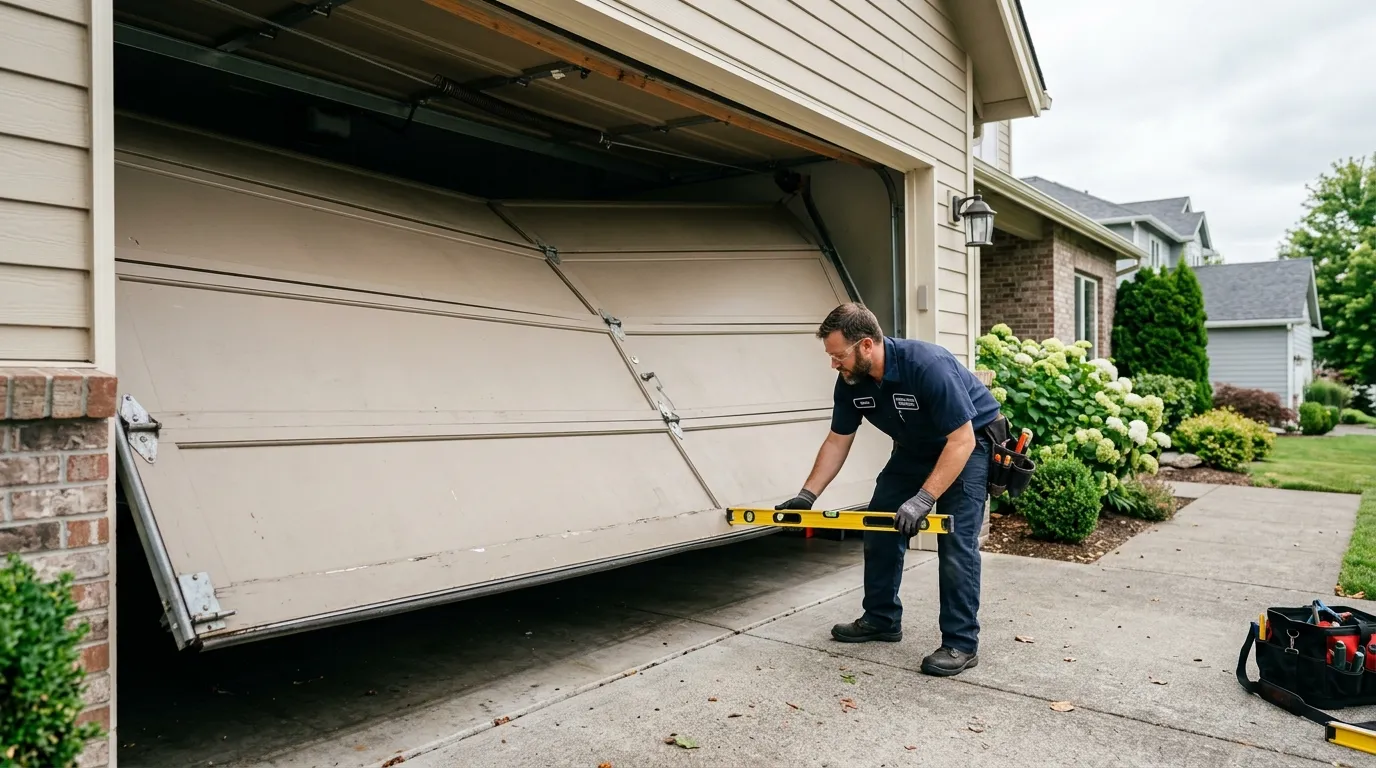
You'll usually see it as a dent from a car bumper, a bottom panel that's gone soft or delaminated near the ground, or a seam that's rusted from years of coastal humidity even where hard freezes aren't the issue. On a door built in the early 90s the steel gauge is often thinner than what's sold today, so damage that would just dent a modern door can bow or crease an older one. Some owners notice it first as a door that binds or drags on one side - that's the panel losing its shape and pulling the track out of true, not the opener failing.
What Causes It Around Here
With roughly 968 households in Point Clear and most of that housing dating to the early-to-mid 90s, a big share of doors out here are original equipment nobody's ever swapped a hinge on. The mild coastal climate here doesn't put doors through hard freeze-thaw cycles the way colder regions do, but it does mean steady humidity and salt air working on any exposed seam or scratched paint over three decades. Add in the everyday stuff - a trailer hitch, a basketball, a bike pedal - and the panels that take the hit are the ones that were never rated for today's impact standards to begin with.
What It Costs
We don't post flat prices here because the range on a panel job in Point Clear swings hard depending on whether we're matching an obsolete section or replacing the whole door. A single bolt-on panel where stock still exists is the cheapest path. A full custom match or repaint-to-blend costs more in labor, and a full door replacement - once we're already there pulling old hardware - sometimes lands close enough to the repair cost that it's the better call. We quote after we see the door, not before.