What the Fix Involves
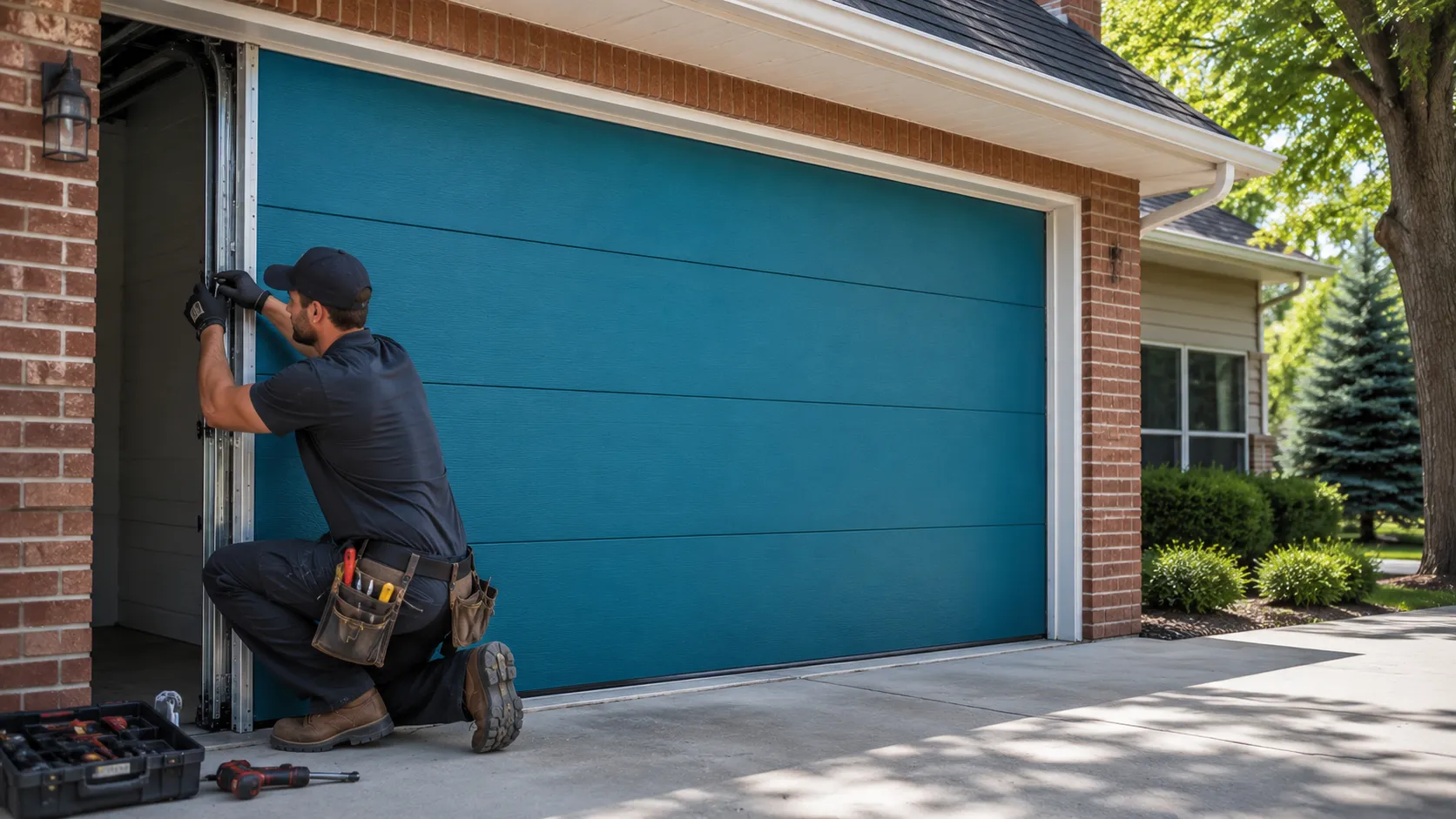
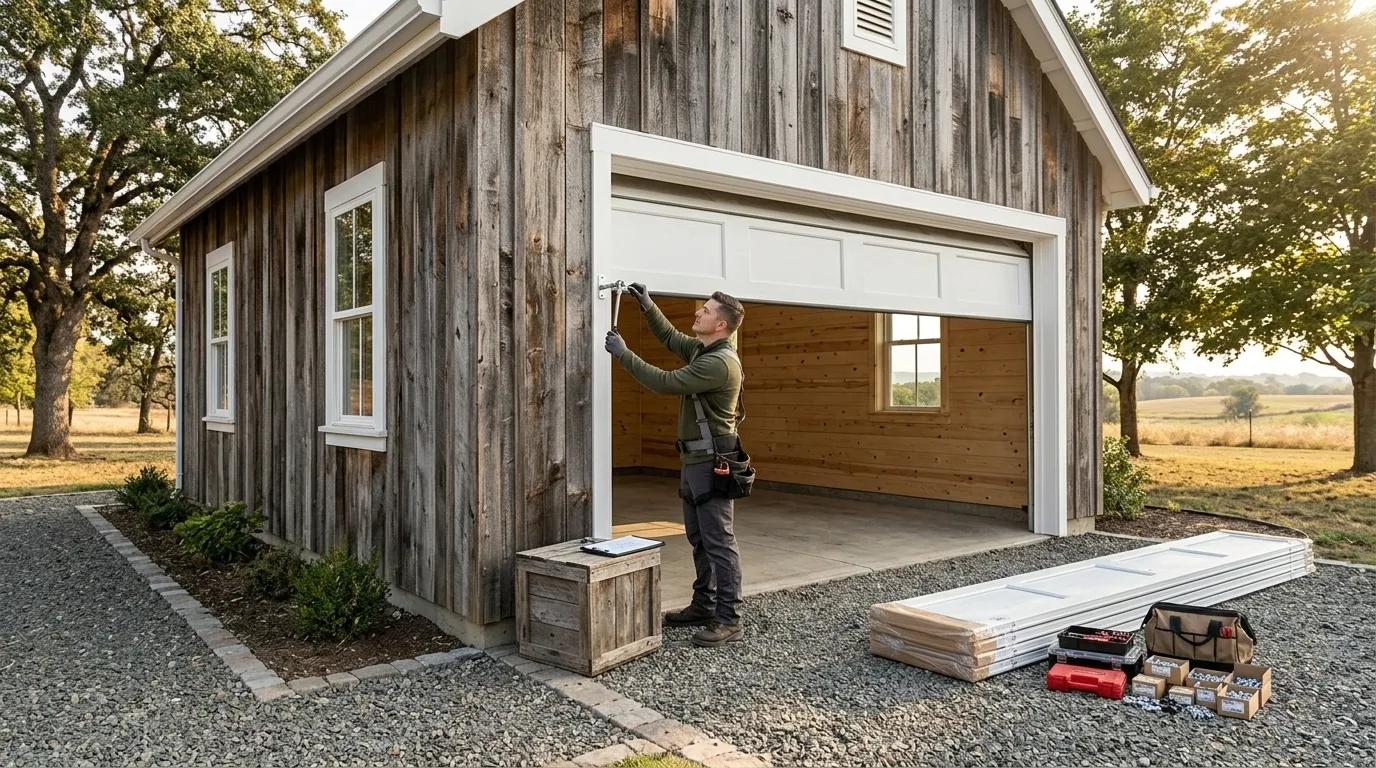
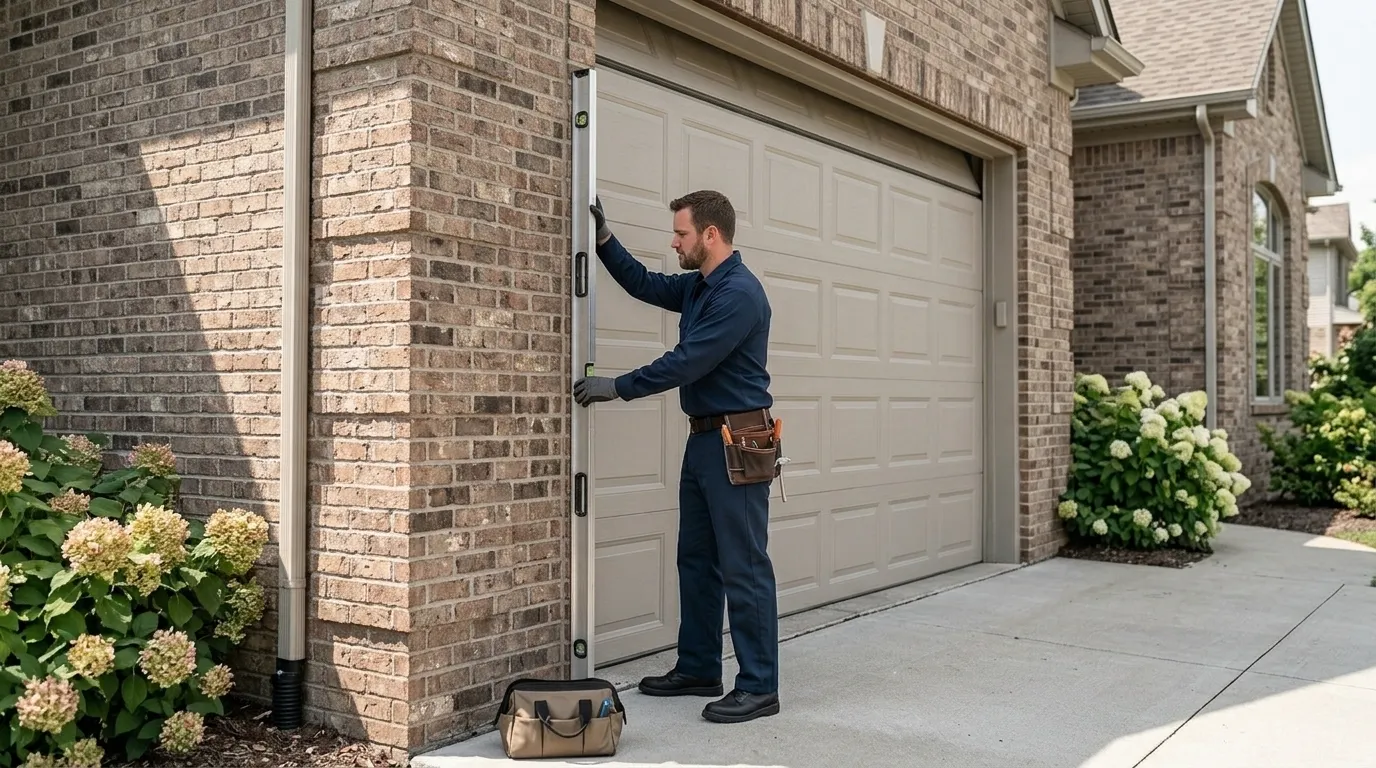
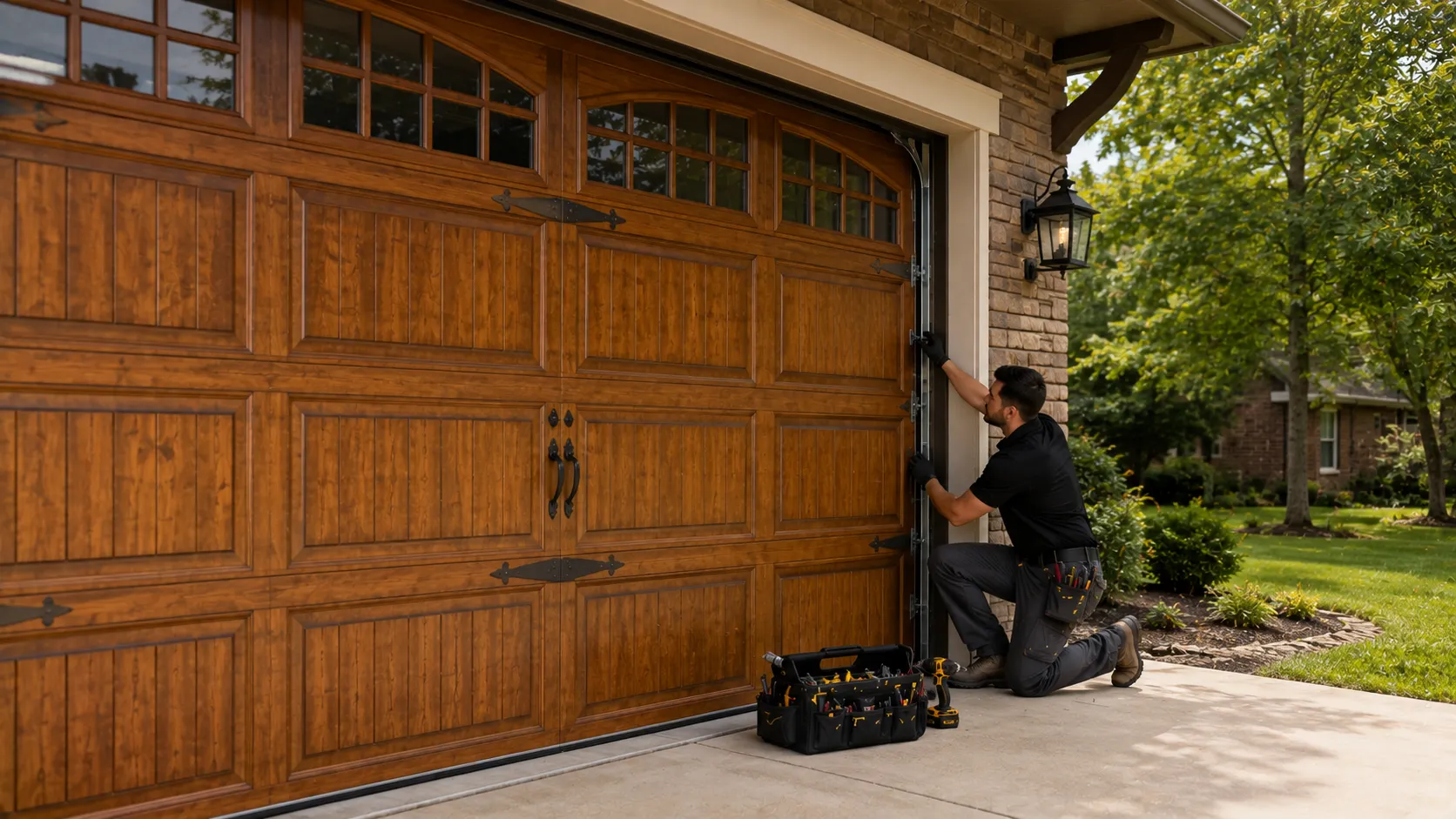
Point Clear is a small place - around 968 households, not a sprawling suburb - which means the installs that come up here are mostly one-off replacements on houses built in a fairly tight window, rather than a mix of eras. A new install means pulling the old door and track off the frame, checking the opening for square, setting new jamb brackets, hanging new track and a door sized to the opening, then balancing the spring to the door's actual weight. On a house built around 1993, the opening itself is usually still standard width, but the framing and the old fasteners are 30-plus years old, so part of the job is making sure the new hardware actually has sound wood to bite into. We drive the 10 miles out from Daphne with the door and hardware loaded, not guessing at a size once we're on site. That's the difference between an install visit and a return trip.
We don't stock every panel style on the truck. If you want a specific insulated steel line or a wood-look composite, we confirm the model before we schedule, so you're not waiting on us to figure that out at your driveway.
How It Shows Up
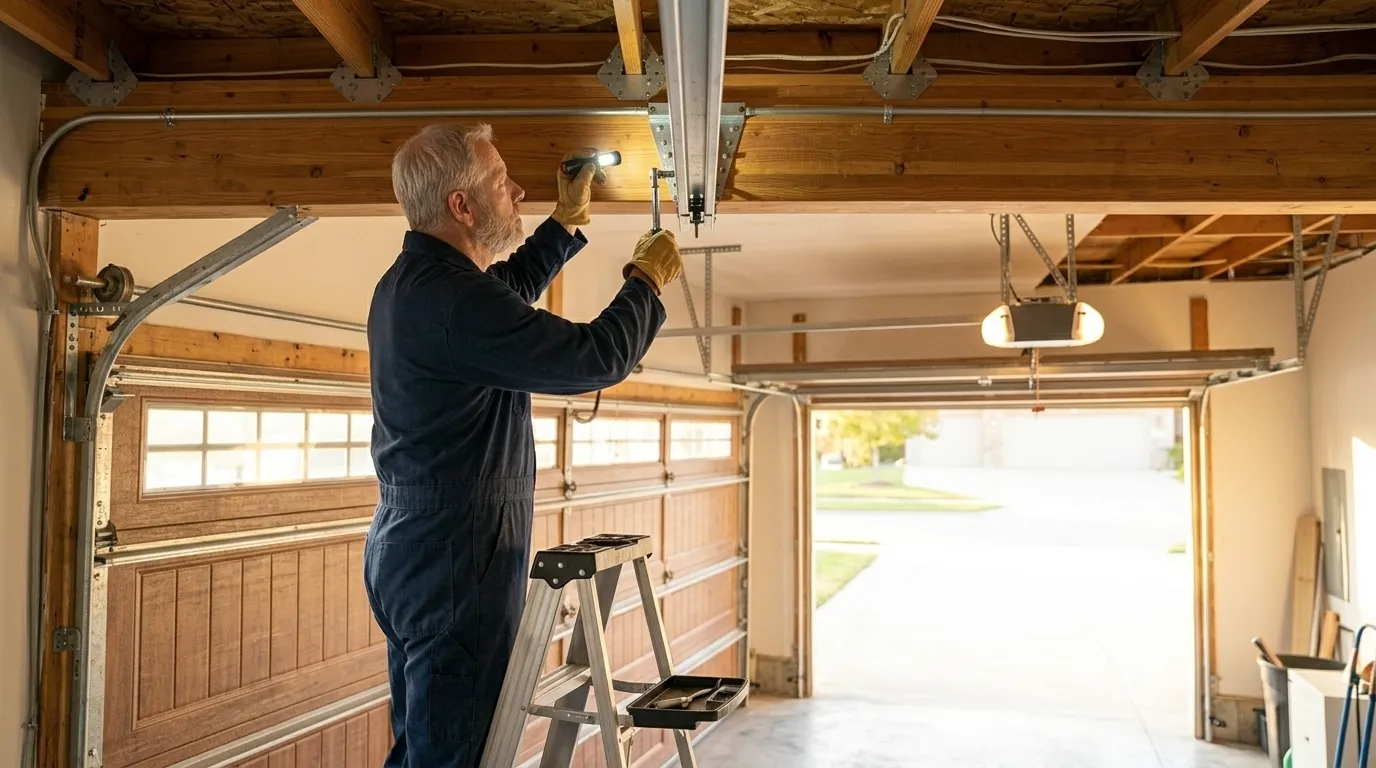
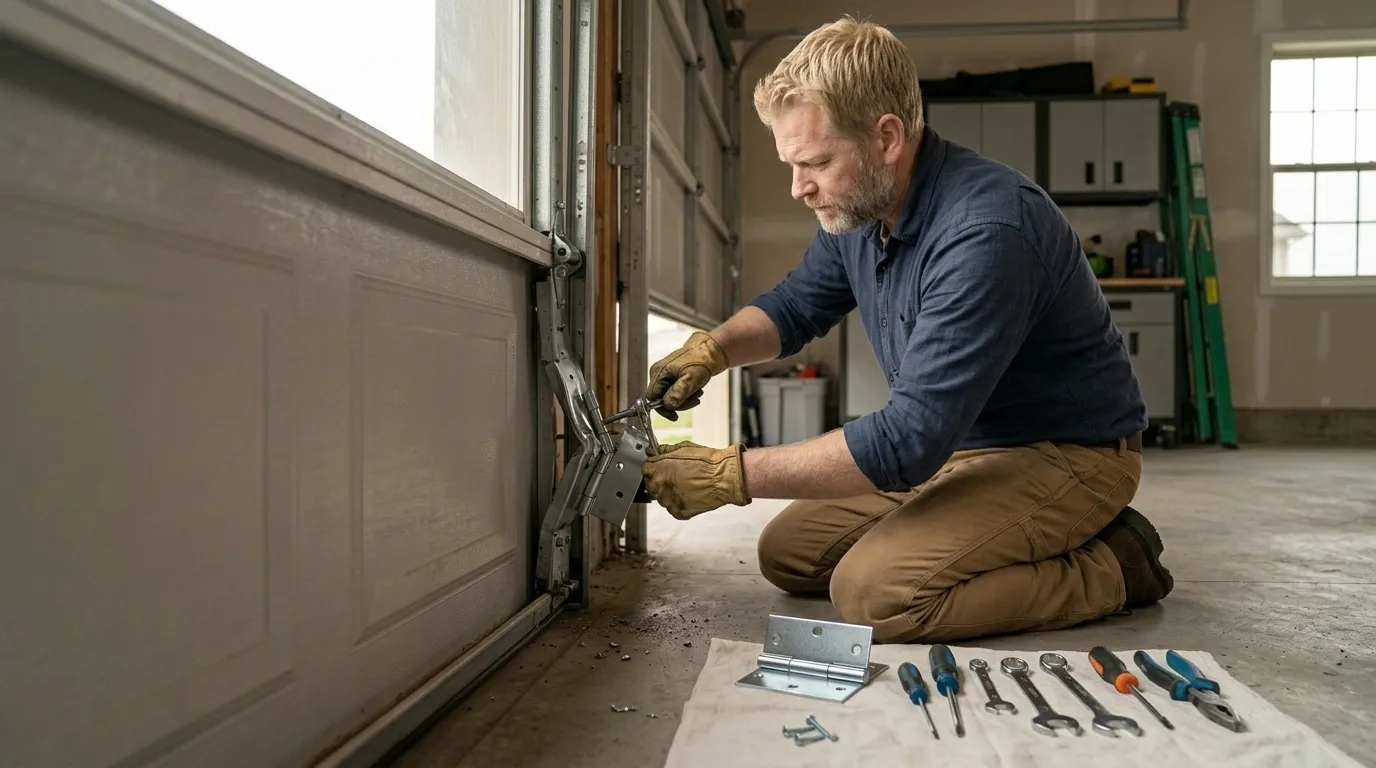
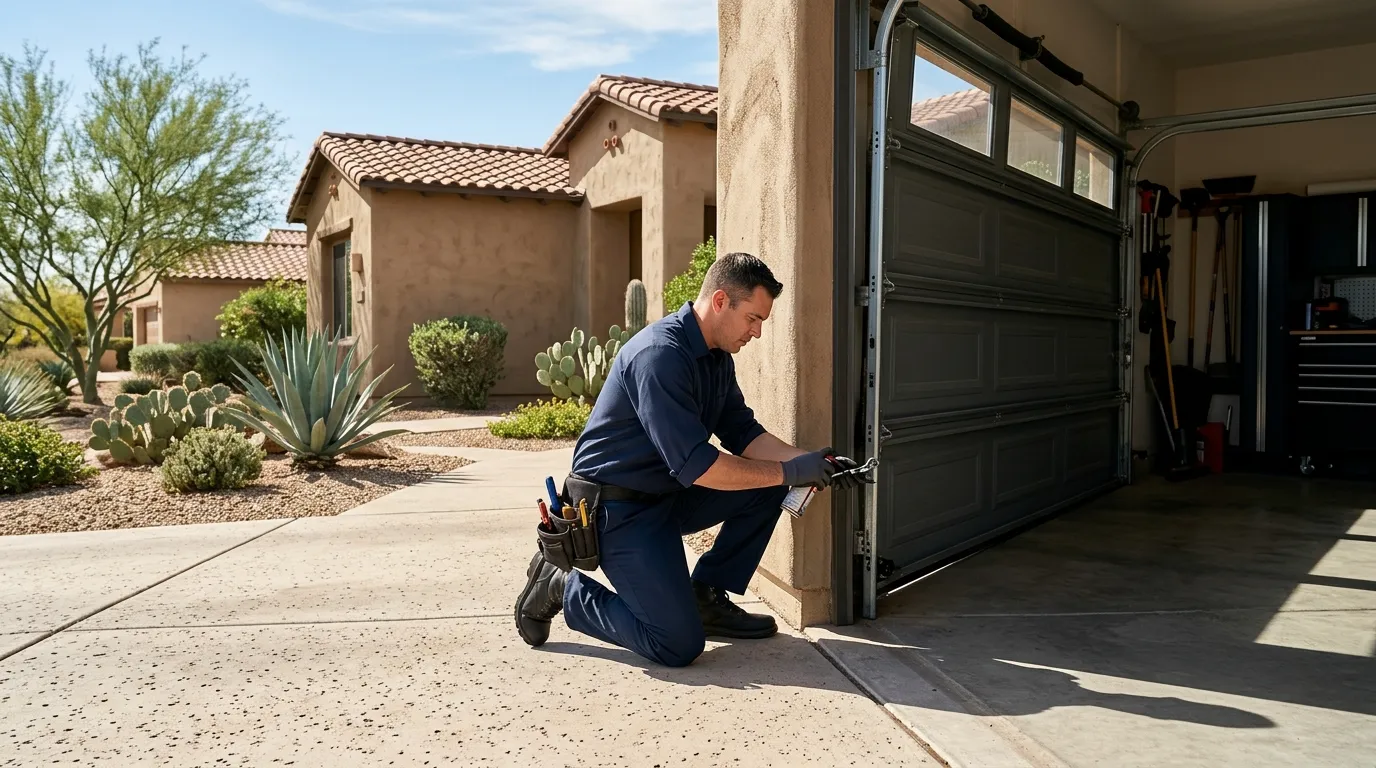
Most of the calls we get for a full replacement here, rather than a repair, come from doors original to houses built in the early-to-mid 1990s - that's the bulk of what's standing in Point Clear. By the 30-year mark, a door isn't usually failing all at once. It's a panel that's dented past squaring out, a track that's bent enough that the rollers chatter no matter how many times it gets adjusted, or an opener that's been paired with three different doors over the decades and just doesn't match the weight anymore. Homeowners often start by asking for a repair and end up looking at a new door once we're actually inspecting the track and the spring size together. If the door itself is sound but the opener is the weak link, that's a smaller job - worth saying plainly, because not every call here needs a full door swap.
What Causes It Around Here
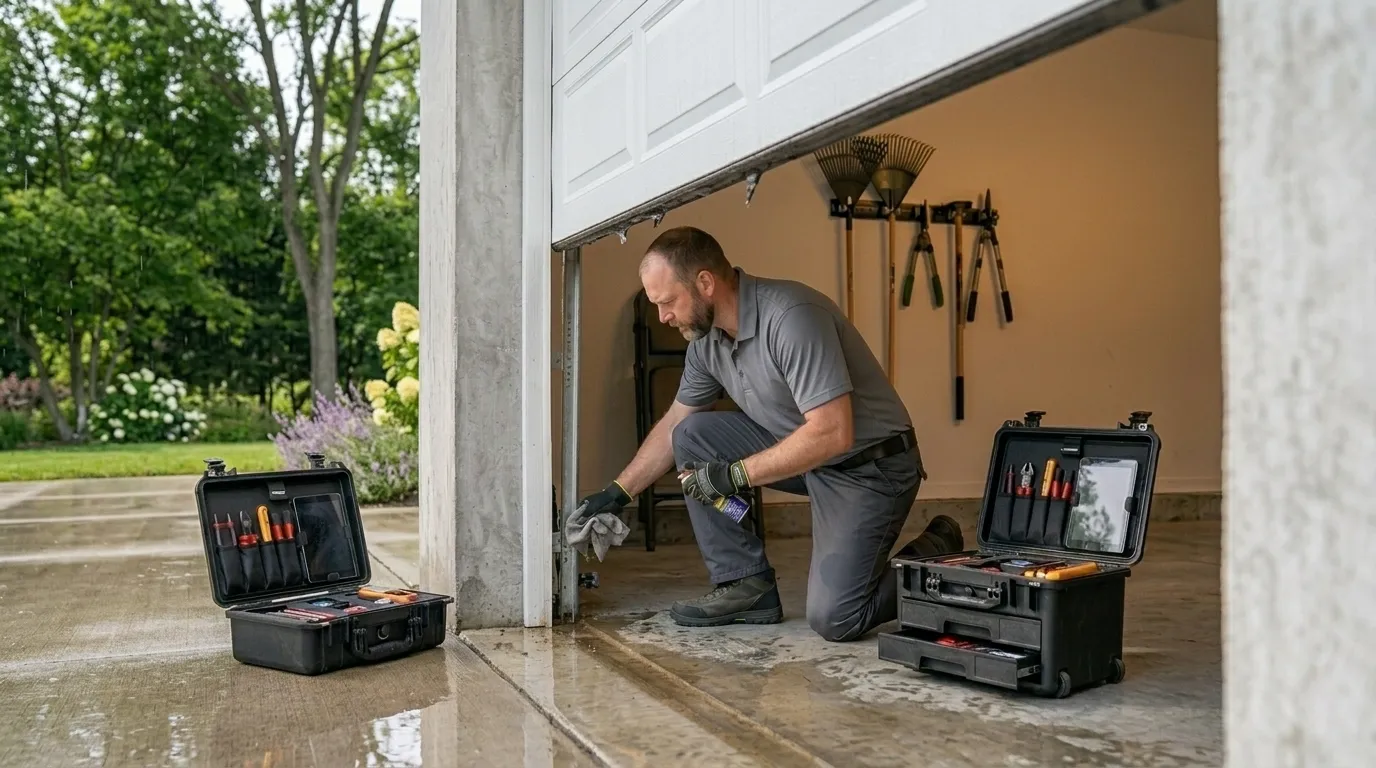
The housing stock in this part of the service area, Point Clear included, runs mostly 1980s and 90s construction, and the median build year locally sits right around 1993. That means the doors failing now are almost all originals or one prior replacement - old enough that steel gauges and spring specs have moved on, so an exact hardware match often isn't available anymore. The climate here is mild with the occasional freeze, which is easier on wood and steel than a harsh freeze-thaw cycle would be, but it doesn't eliminate wear - humidity and salt air near the bay side still work on unsealed hardware and untreated wood trim over 30 years. Add in a lower median household income for this specific area, $45,898, and what we see most is deferred maintenance: a door limping along on a worn spring or bent roller well past when a shop in a higher-income area would have already swapped it.
What It Costs
We don't have a published price list for this page, so we're not going to invent a number here. Cost depends on door size, insulation level, and whether the opener also needs replacing - all things we confirm on site or over the phone before we quote. What we can say: a 1990s-era single door with an intact frame is usually a simpler, cheaper install than one where the jamb has to be rebuilt because the opening's gone out of square, and that's more common the older the house. Ask us for a number specific to your door and we'll give you one before we load the truck.