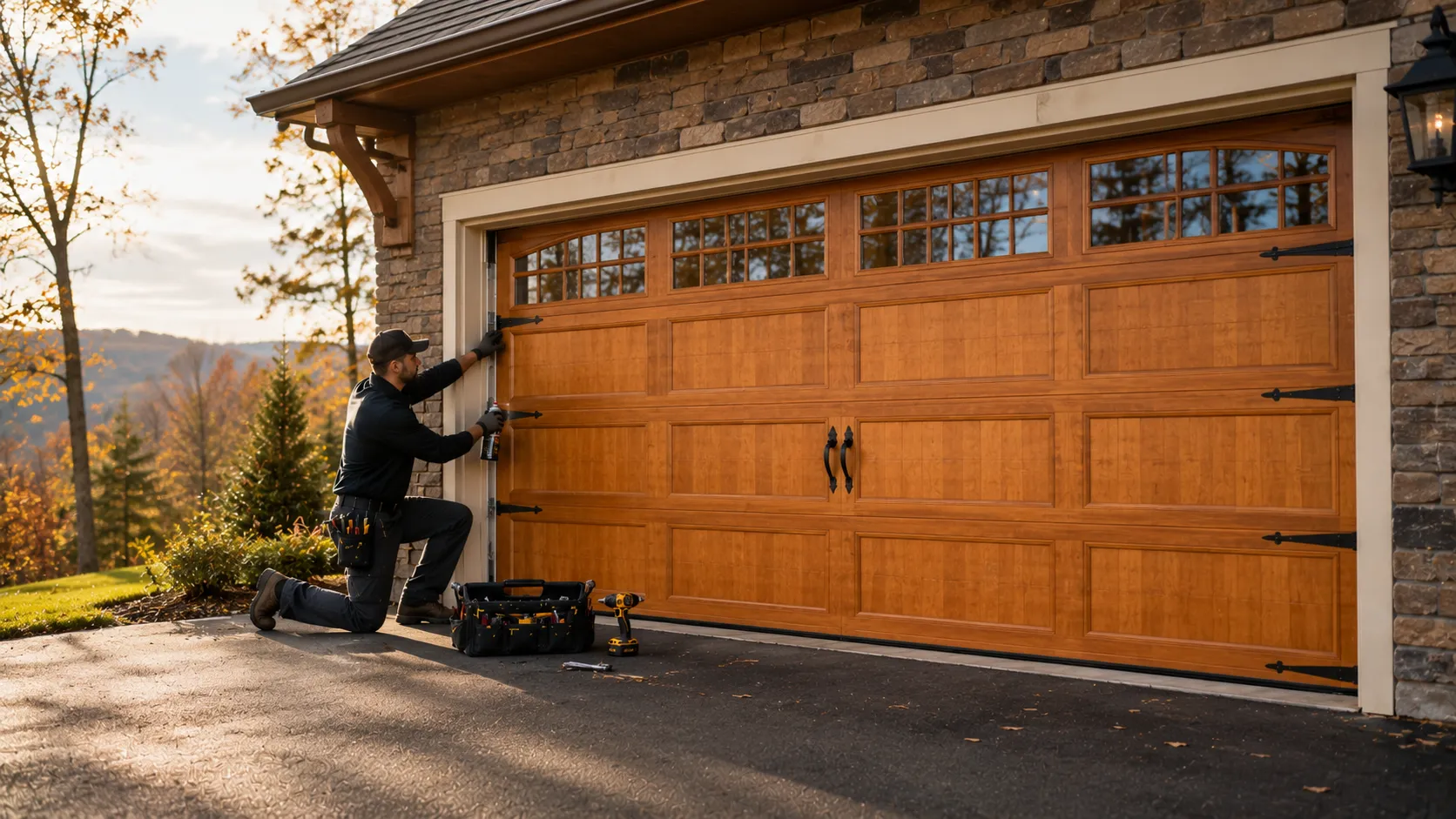
What the Fix Involves
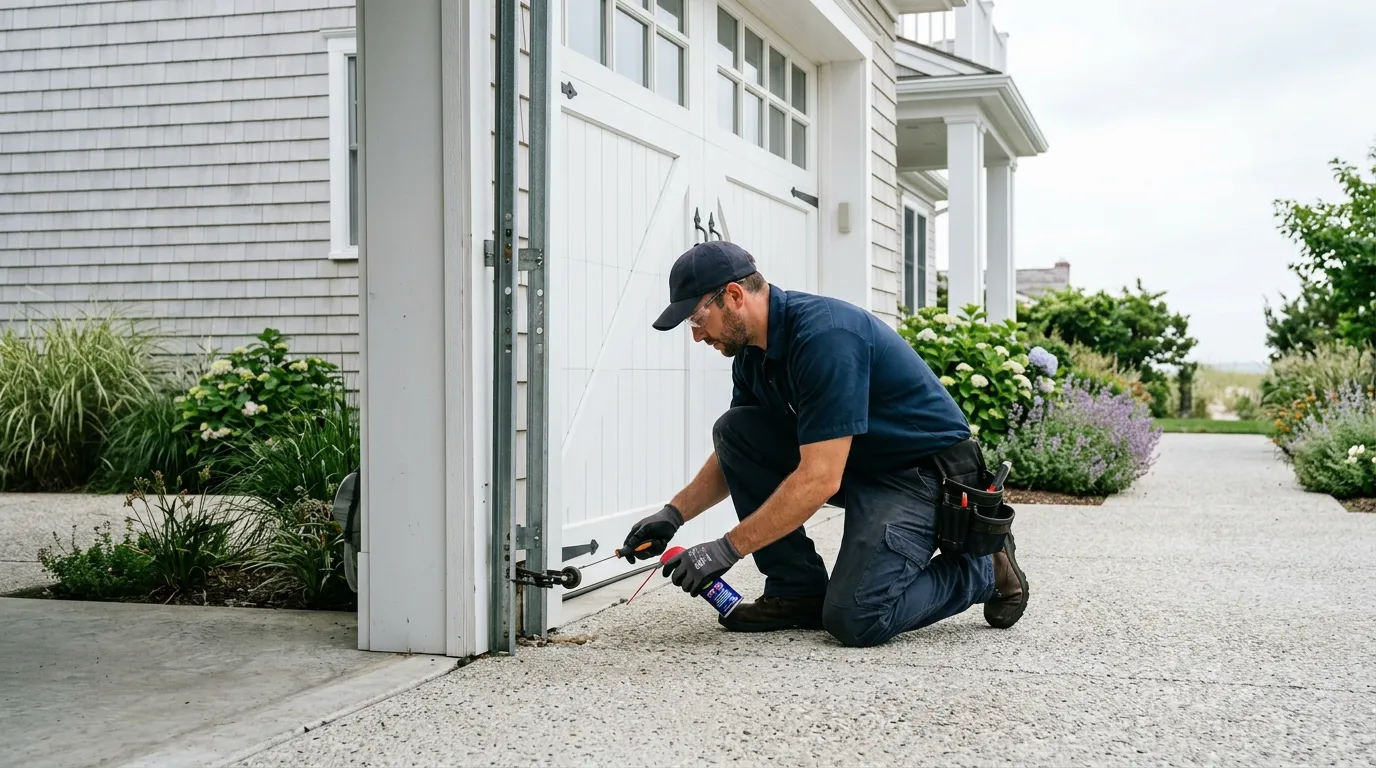
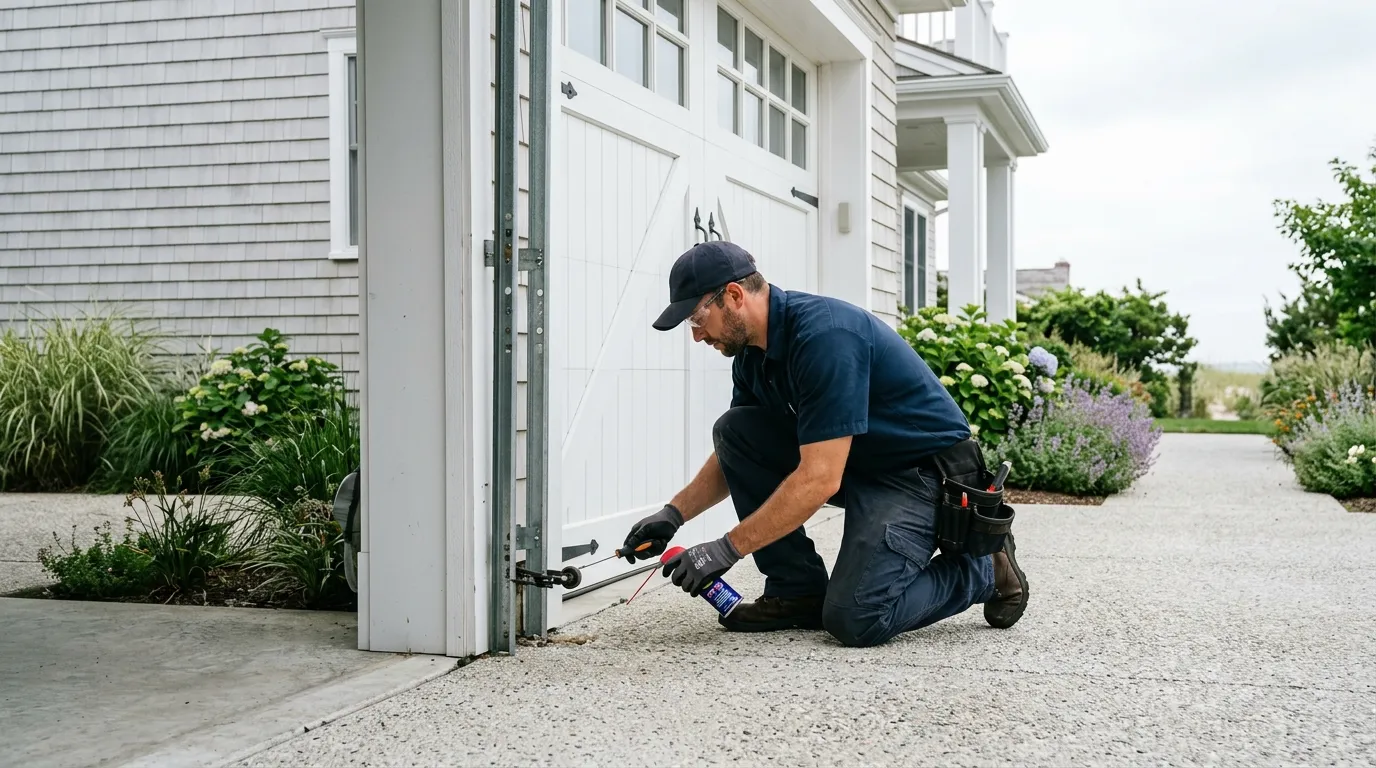
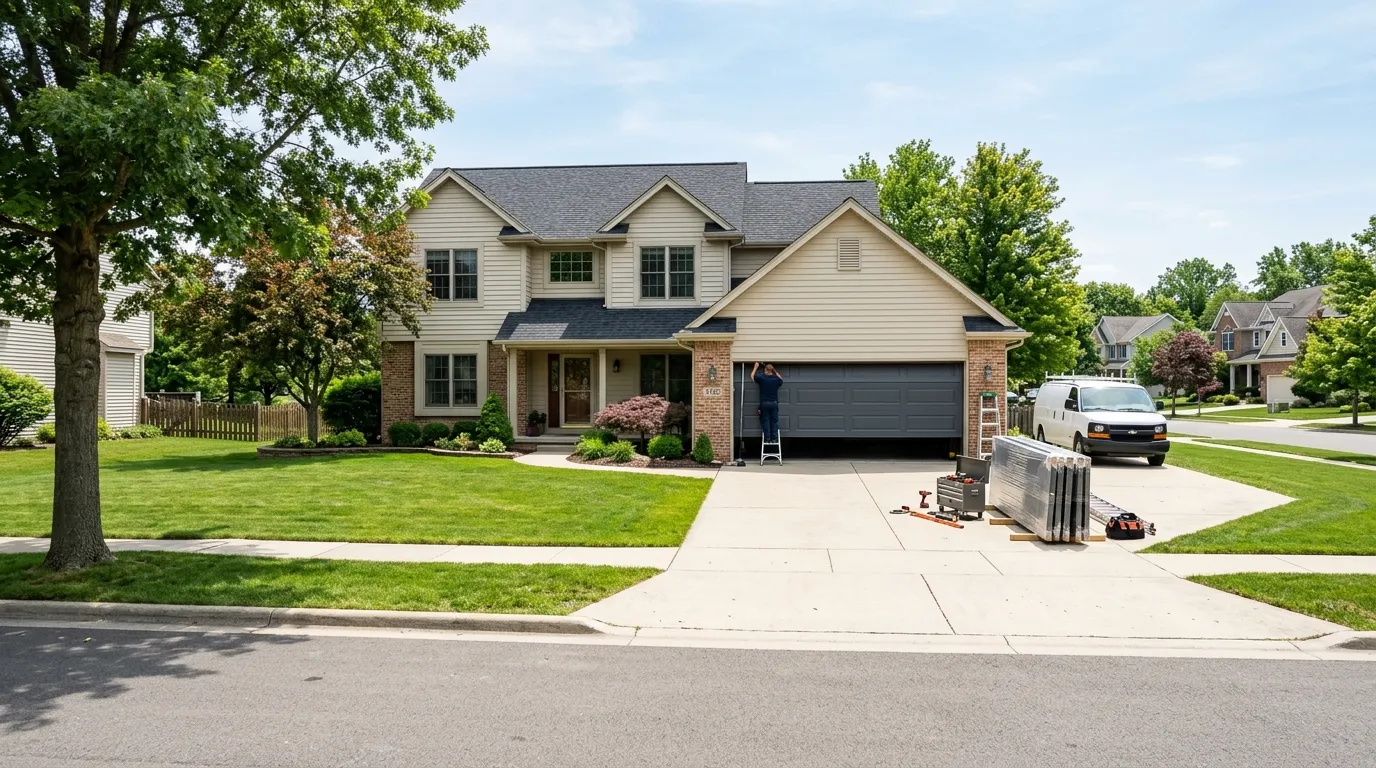
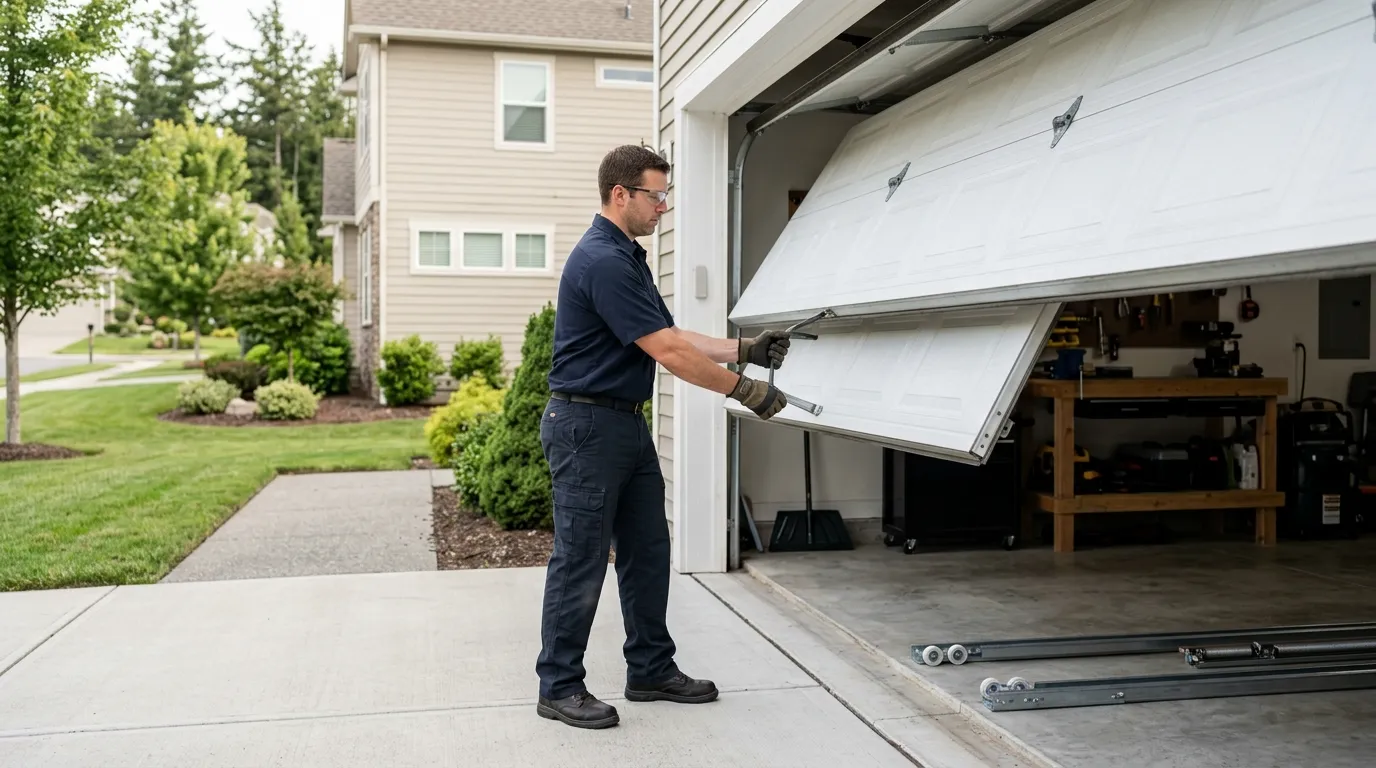
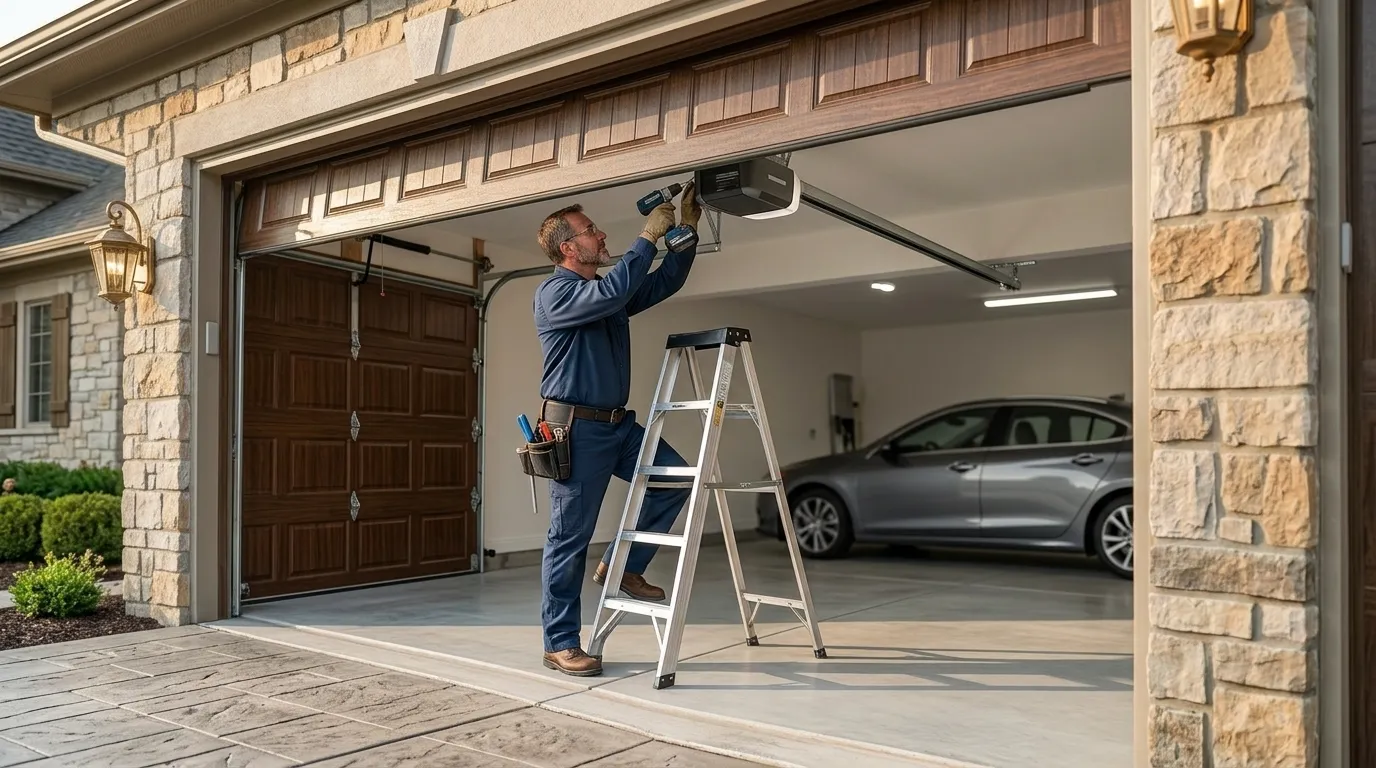
An emergency call for a garage door usually means one of three things: the door won't move at all, it's stuck halfway on a broken cable or spring, or it's making a grinding noise that tells you a roller or bearing is about to fail completely. The fix itself is mechanical work - swap the torsion spring, replace the frayed cable, re-set the opener's travel limits, or pull a cracked roller off the track and put in a new one. None of it needs new drywall or wiring, but it does need the door taken off tension safely first, which is the part that hurts people who try it without the right bars. In Point Clear, where the median income sits at $45,898 - well under the wider service area's $60,922 - the question homeowners actually ask isn't "what's the fix" but "is the fix worth it on this door." We answer that on the call, not after we've already started work, because a spring swap on a door that's otherwise sound is a different conversation than a spring swap on a door that's on its third opener.
How It Shows Up
Most Point Clear calls start with a door that reverses itself halfway up, or one that won't lift past a foot before the opener strains and quits. Sometimes it's a loud bang overnight - that's usually the torsion spring letting go, and the door will feel twice as heavy the next morning because the opener's now doing a spring's job alone. Other times it's slower: a rumble that gets worse over a few weeks as a roller wears down, or a door that starts drifting crooked on one side because a cable is fraying. With houses in this area built mostly around 1993, a lot of the original openers and hardware are past 25 years old, which is the point where wear shows up as intermittent failure before it shows up as total failure - the door works fine three times, then hangs on the fourth.
What Causes It Around Here
The housing stock in this area runs from 1963 to 2007 with a median around 1990, and Point Clear's own median lands a few years later at 1993 - late enough that most doors are steel sectional rather than the older one-piece style, but old enough that a lot of original torsion springs and openers are still in place decades past their rated cycle count. The area sits in a mild climate with occasional freeze, which isn't the extreme heat-cycling that wrecks hardware in harsher climates, but humidity swings still work on cables and lubricant over 25-30 years. With about 968 households in Point Clear - a small slice of the roughly 43,500 across the wider service area - failures here tend to be age-related rather than storm-related: springs that have simply done their last cycle, openers with gears worn smooth, rollers that were plastic from the factory and never replaced.
What It Costs
We don't publish a flat number here because torsion spring jobs, cable jobs, and opener repairs price differently, and a double door costs more in parts than a single. What we can tell you is how we think about it for Point Clear specifically: at a median household income of $45,898, we try to fix rather than replace whenever the door itself - the panels, the track, the frame - is sound. A spring or cable repair on a door built around the early 1990s is usually the right call. Where it stops making sense is a door that's already had two or three opener replacements or a panel that's rusted through; at that point every emergency call is a down payment on a door you're going to replace anyway. We'll tell you which side of that line your door is on before we quote anything.