
What It Costs
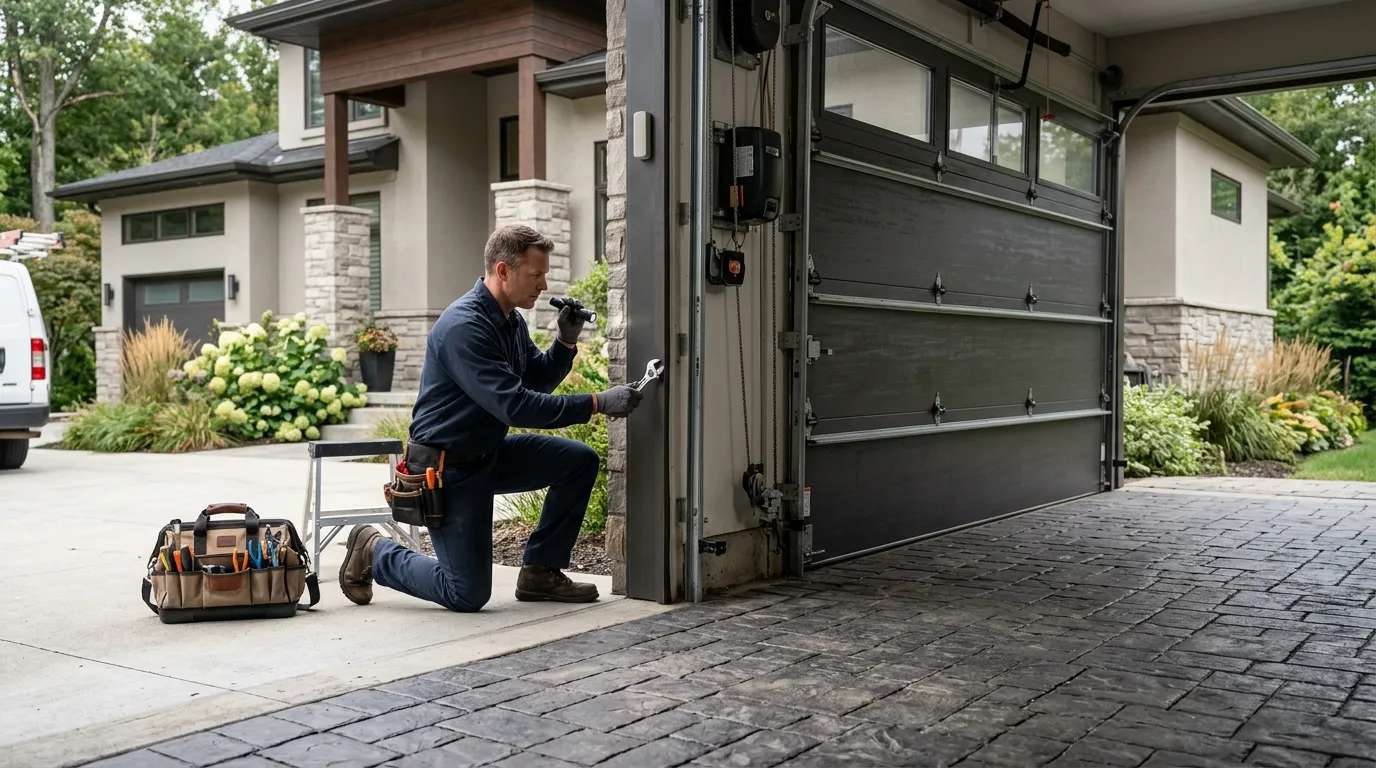
Most of Loxley's housing stock is newer than the rest of the area we cover out of Daphne - the wider service territory runs from 1963 to 2007 with a median around 1990, but Loxley itself skews toward the tail end of that range. That matters for spring repair because a lot of doors here still have their original torsion springs, factory-wound and sized to whatever opener and door weight the builder spec'd around the time the house went up. We don't publish a flat price because spring jobs vary by door weight, spring count (single vs. dual), and whether the drum or bearing plate has to come off with it, but a straightforward torsion spring swap on a standard double door is a different job - and a different bill - than one where the cable's jumped the drum or the bottom bracket's bent. We'll look at what's actually on your door before we quote it, not before.
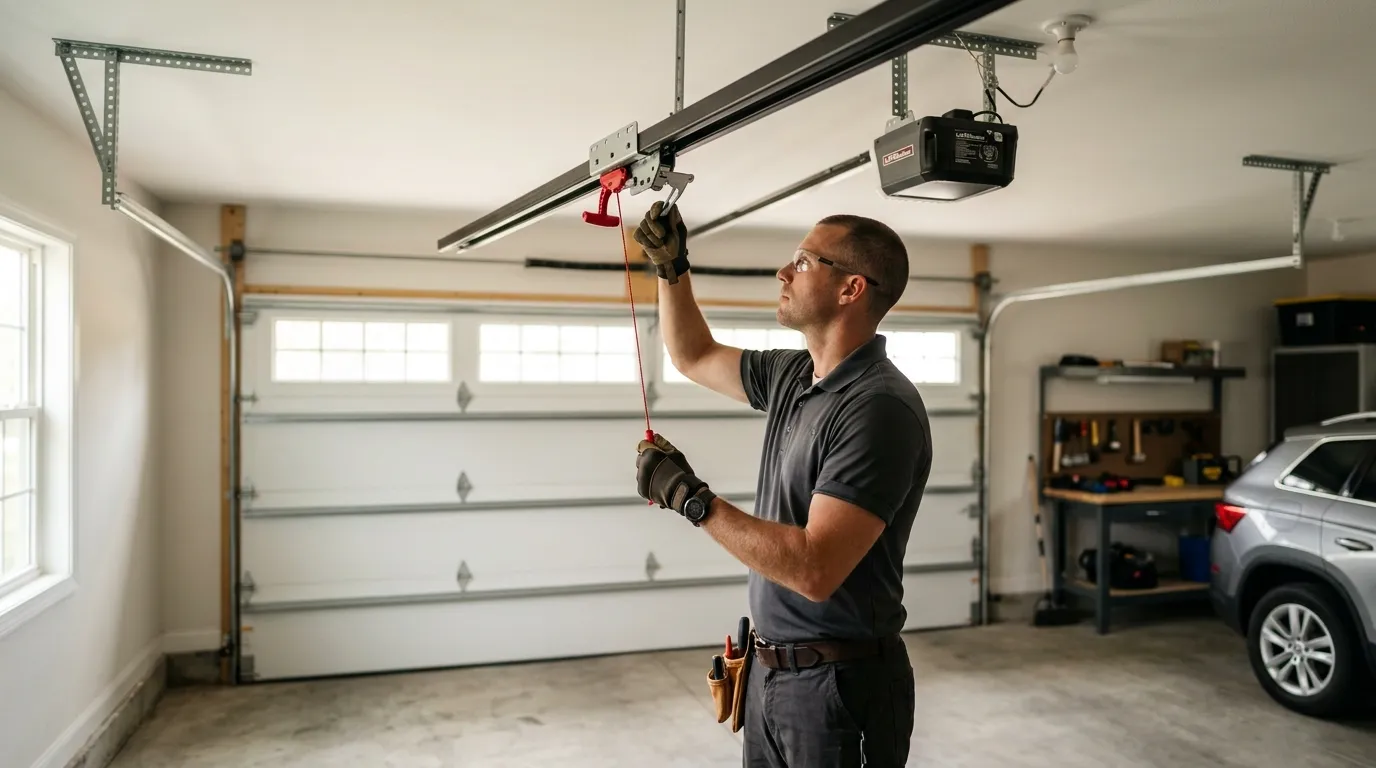
One thing worth knowing going in: if your opener is original too, a spring failure can sometimes take the gear set with it if the door's been run on a broken spring for even a day or two. That's not scare talk, it's just how the load transfers once the spring's gone - the opener starts doing work it was never built to do alone.
Can You Do This Yourself
We'll say it plainly: a torsion spring is under enough stored tension to break a bone or worse if the winding bars slip, and that risk doesn't change because your house is newer than average. If your door is one of the newer builds common in Loxley, the spring is still a factory unit sized to a specific door weight and drum - swap in the wrong size from a big-box shelf and you'll either strain the opener or leave the door hard to lift by hand, which defeats the point of having a spring at all.
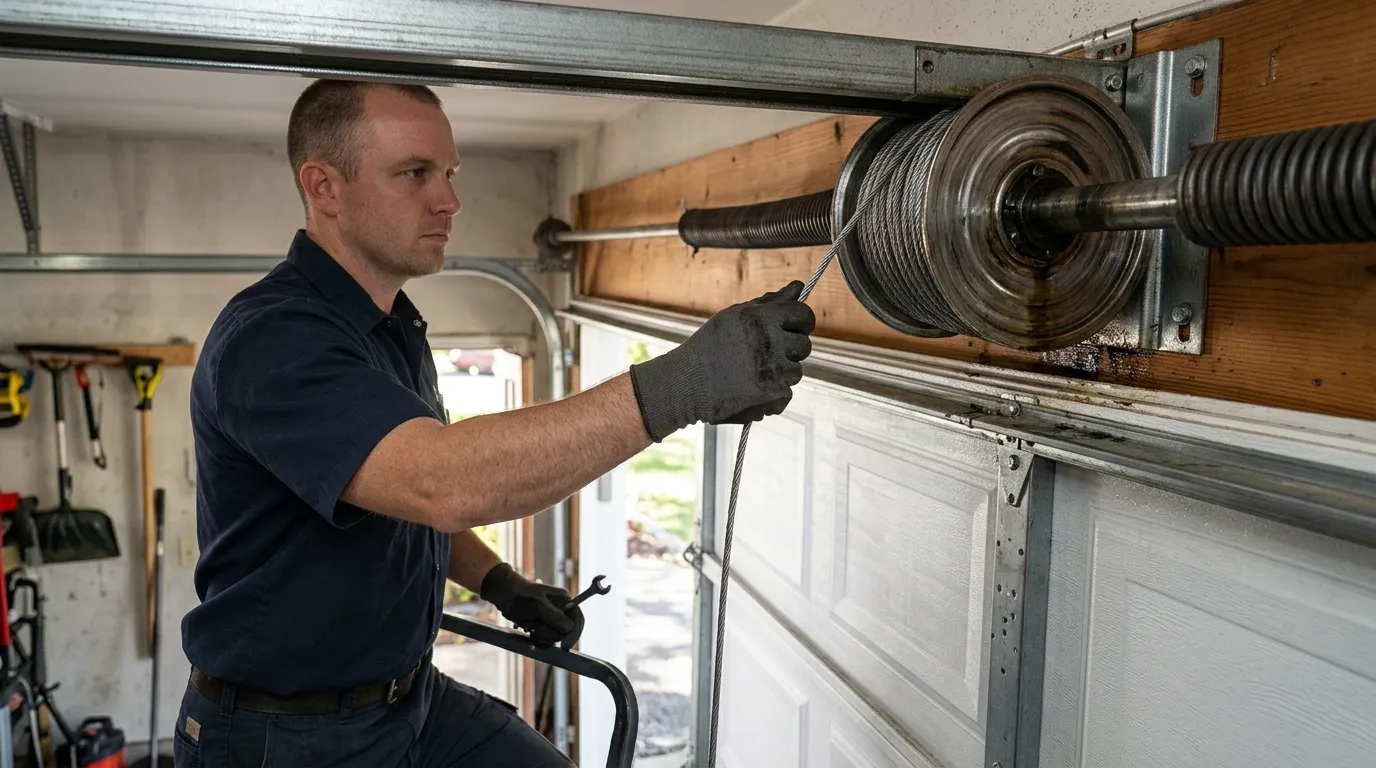
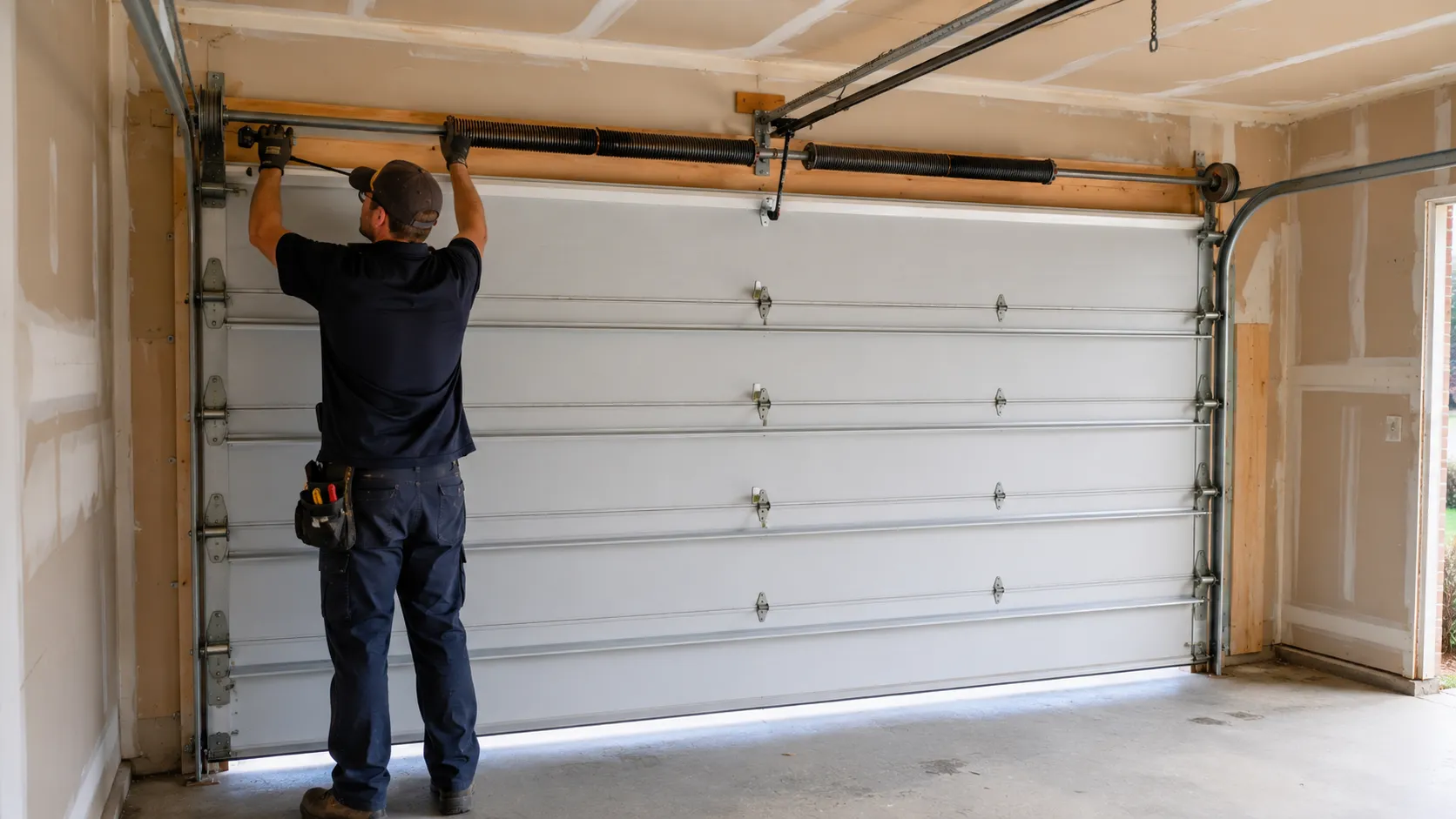
What you can safely check yourself: whether it's one spring or two (look at the shaft above the door), whether the spring is visibly separated (a clean gap usually means it's broken, not just weak), and whether the cables are still seated in their drums. That tells you what you're dealing with before you call anyone. Beyond that - winding, unwinding, pulling the shaft - we don't recommend a homeowner take it on, and we won't walk someone through it over the phone.
What Can Go Wrong
The most common issue we run into on newer builds like a lot of what's in Loxley is a single spring wound to the wrong tension from the original install - not a defect exactly, but enough of a mismatch that the door's been slightly hard to lift or slow to close for years before anyone called about it. That's easy to correct once we're there.
The other issue is cable damage that happens at the moment the spring lets go. If the spring breaks while the door's partway open, the sudden slack can let a cable jump its drum or fray at the bottom fixture. We check both cables any time we're replacing a spring, because sending a customer off with a new spring and a cable that's about to go is a callback waiting to happen - and it's not a good use of anyone's time.
We'll also tell you straight if a repair isn't worth doing. On rare occasions we find a track so bent or a drum so worn that a spring swap alone won't fix the door's real problem, and we say so before we start, not after.