What It Costs
Most of Loxley went up between 2000 and 2007, near the tail end of the wider area's 1963 to 2007 building run. That matters here because it means you're mostly dealing with steel sectional doors on standard torsion springs, not the older side-mounted hardware you find in neighborhoods built decades earlier. The failure that actually costs money in a house this age is rarely the door skin - it's the opener. A logic board or circuit board from the early 2000s is now old enough to fail outright, and boards aren't something you patch; you replace the unit.
We can't quote a number here without a look at the actual door, spring size, and opener model, because a broken roller and a burned-out circuit board sit at completely different price points and neither one is a fair stand-in for the other. What we can tell you is that Loxley's median household income runs well above the broader service area, and in practice that shows up as more owners choosing to replace an aging opener outright instead of paying to keep patching one. Get a look before you decide which path makes sense for your door.
Can You Do This Yourself
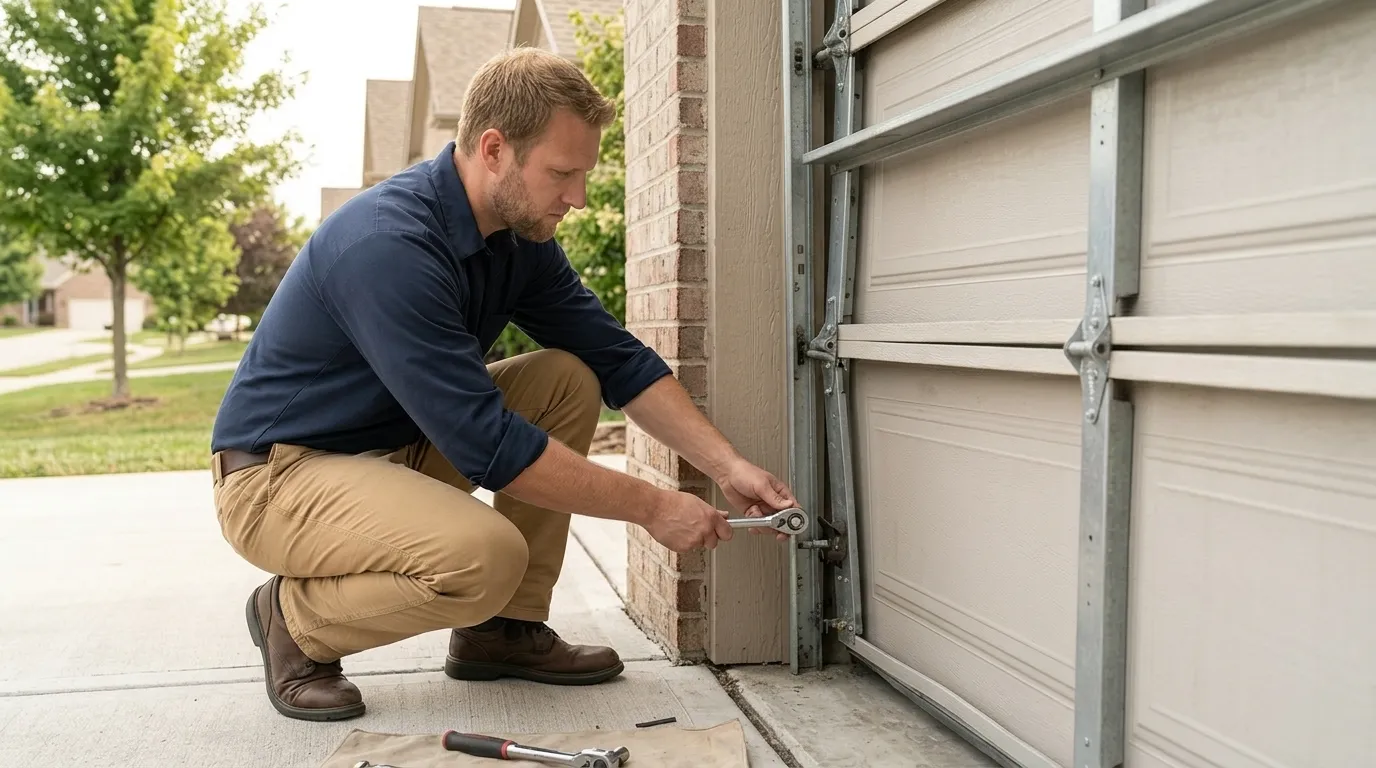
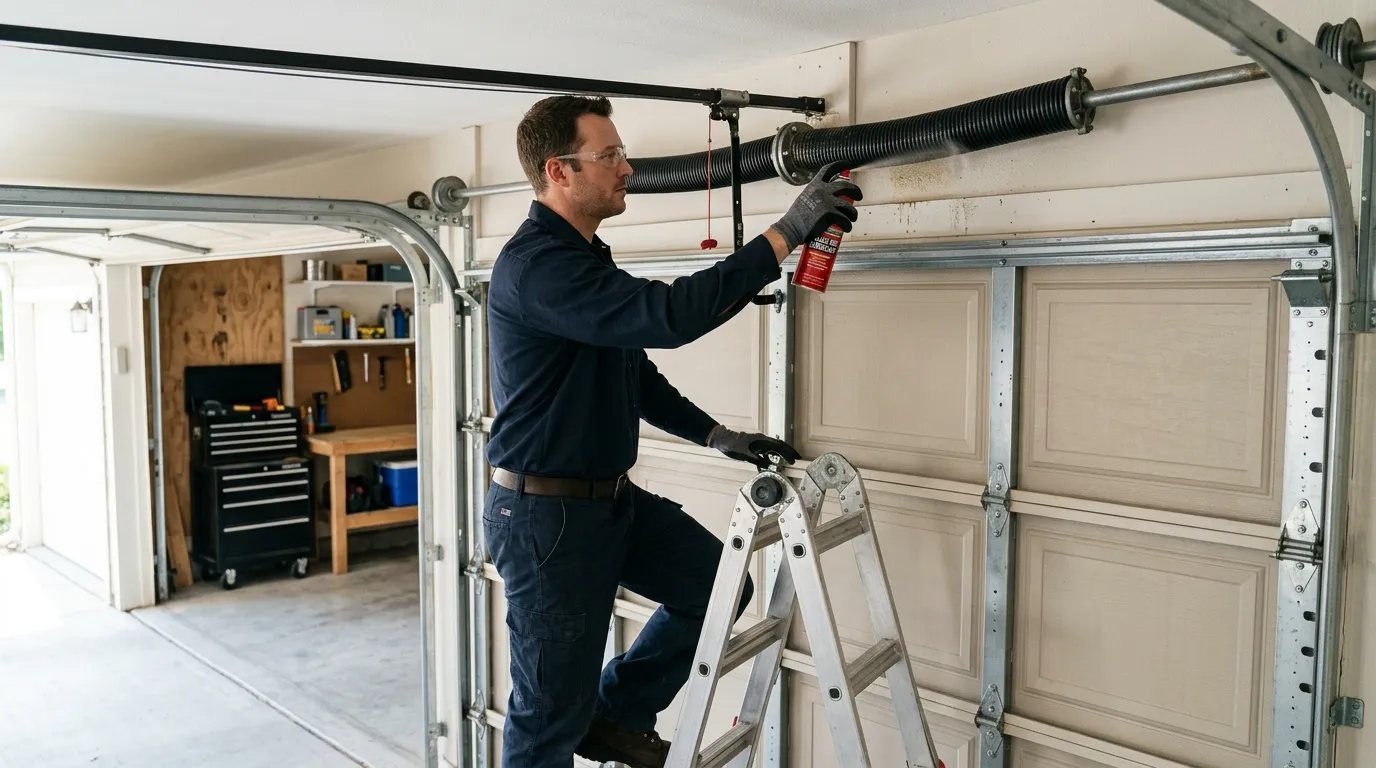
A torsion spring under tension will put you in the hospital if it lets go while you're working on it, and that's true whether the door is five years old or fifty. On the newer doors common in Loxley, the spring sizing tends to be more standardized than what you find on older one-piece doors, but that doesn't make the job safe to freelance - it just means the parts are easier to source once someone with the right winding bars has done it correctly.
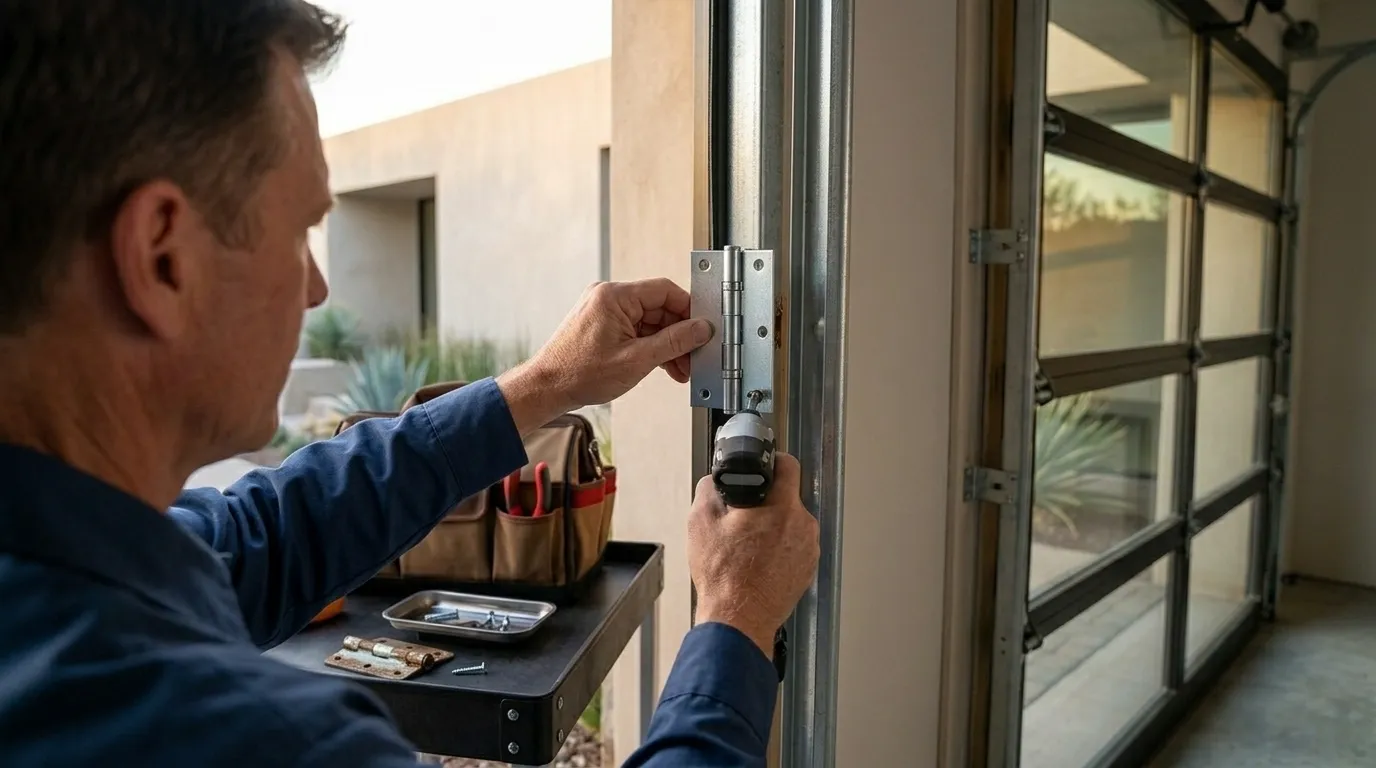
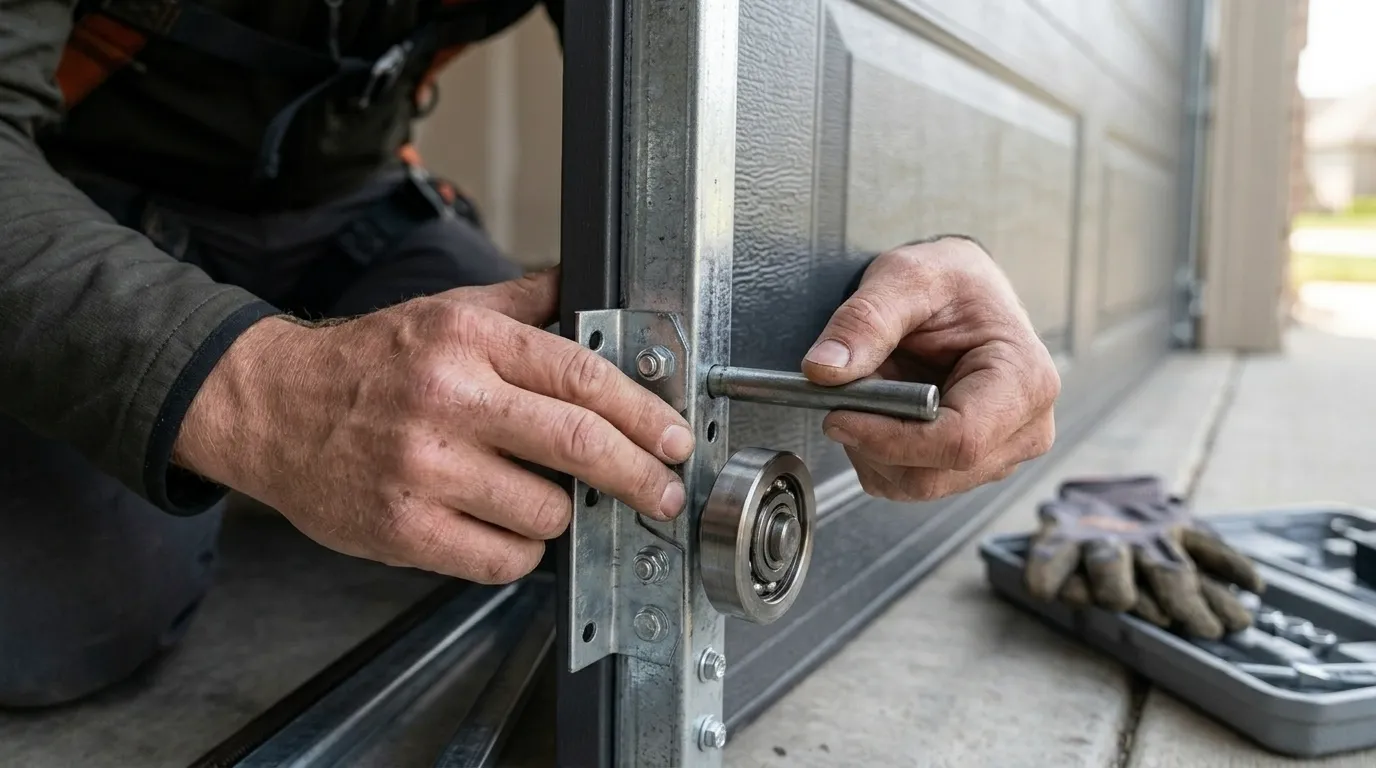
What you can reasonably do yourself: tighten loose hinge bolts, clear track debris, lubricate rollers, and replace a dead remote battery. What you shouldn't: touch the torsion spring, adjust the opener's force settings blind, or try to diagnose a circuit board fault by swapping parts at random. Openers from the 2000-2007 era often fail in the control board rather than the motor, and testing that wrong can fry a replacement board too. If your door won't open and the opener light blinks a error code, that's a call, not a project.
What Can Go Wrong
The climate here is mild with occasional freeze, gentler than harder freeze zones further north, but Loxley still sees enough humidity swings to corrode exposed spring coils and hinge hardware over fifteen or twenty years even without hard winters. Combine that with a door built in the early-to-mid 2000s and the failure pattern skews toward two things: a spring that's lost tension gradually rather than snapping outright, and an opener board that starts throwing intermittent faults before it dies for good.
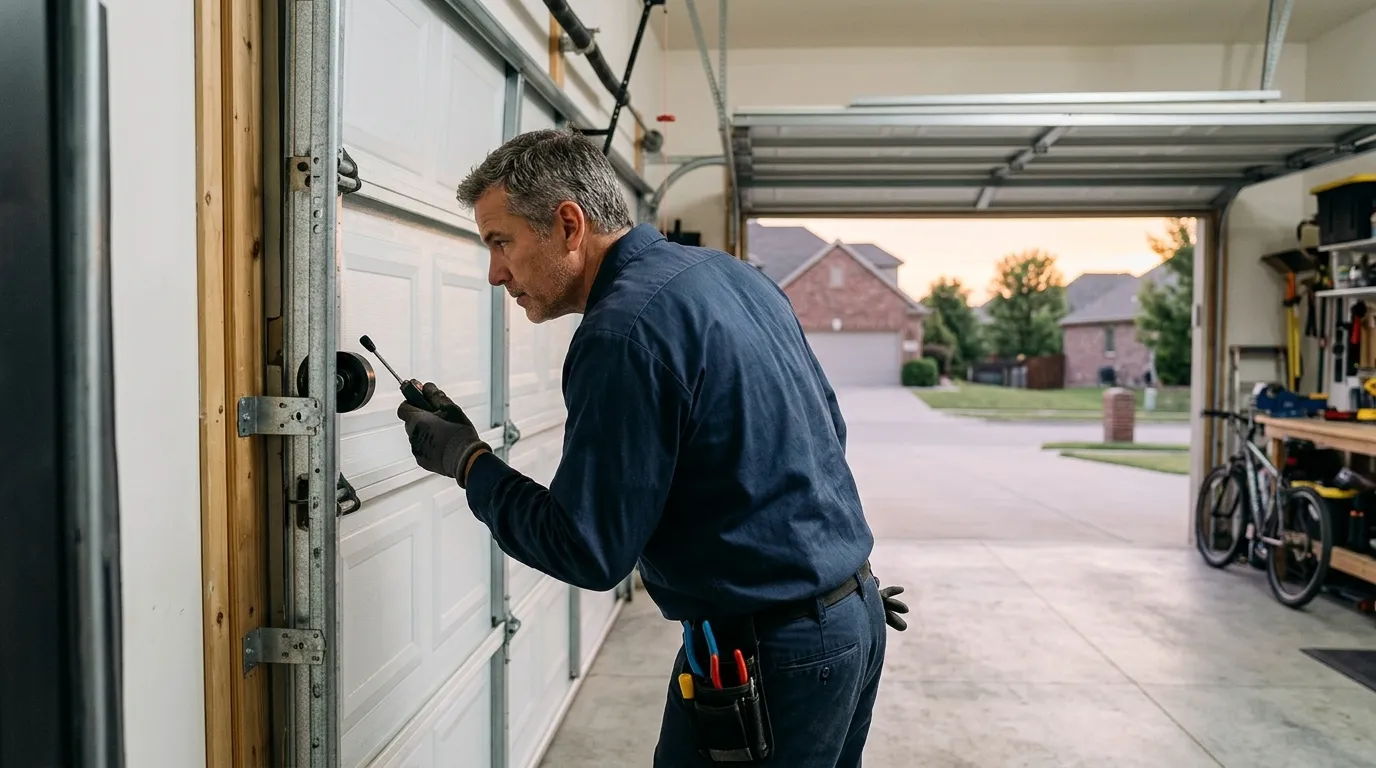
The other thing we see on doors this age: photo-eye sensors knocked out of alignment by a bumped bike or a moved storage bin, which reads to the owner like the opener itself is broken when it's a five-minute fix. Cables fraying at the bottom bracket show up too, usually on doors that get used several times a day. None of this is dramatic, but ignored long enough, a sensor problem turns into a door that won't close at all, and a fraying cable turns into a door that comes down hard and damages the track on the way.