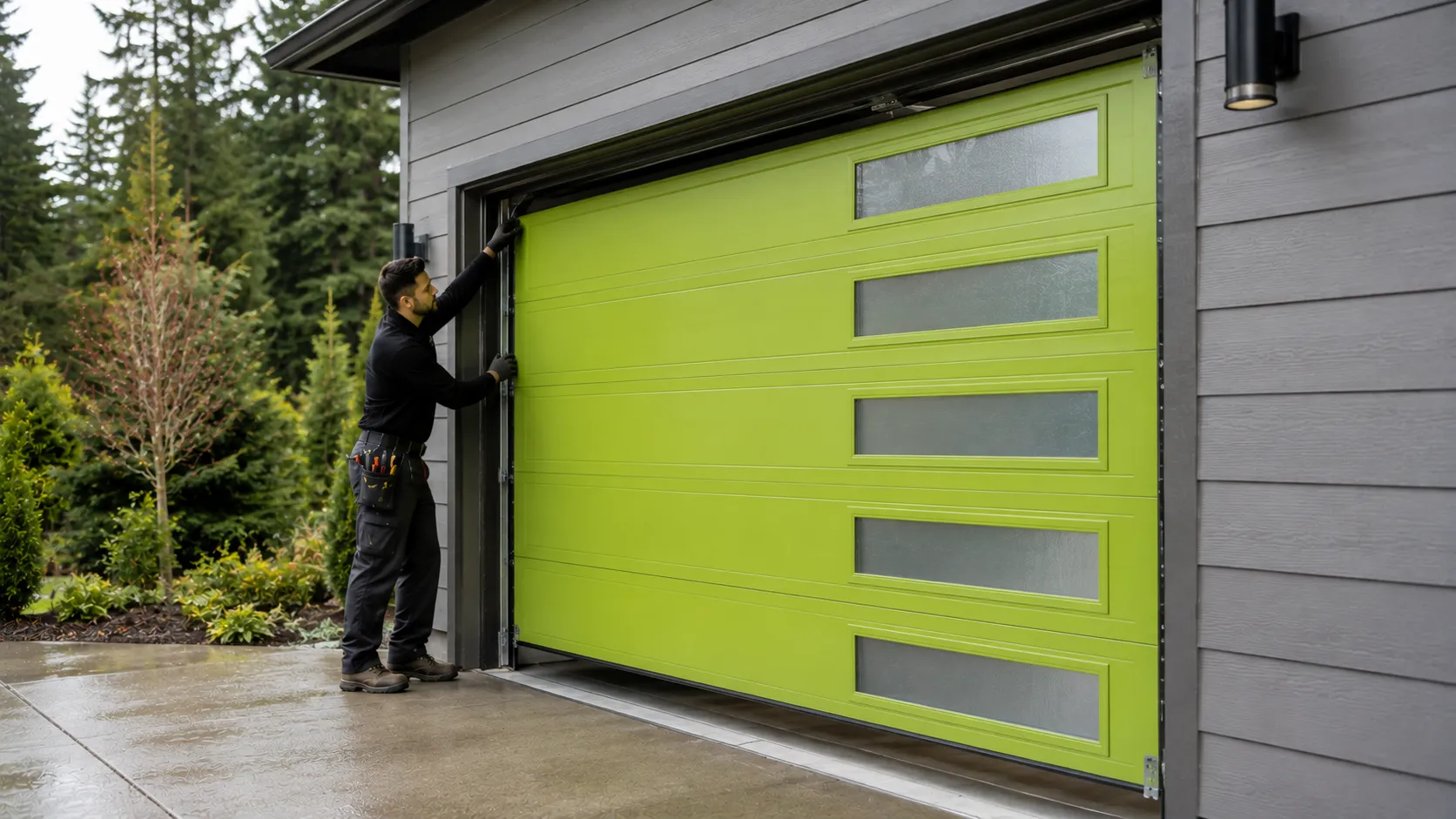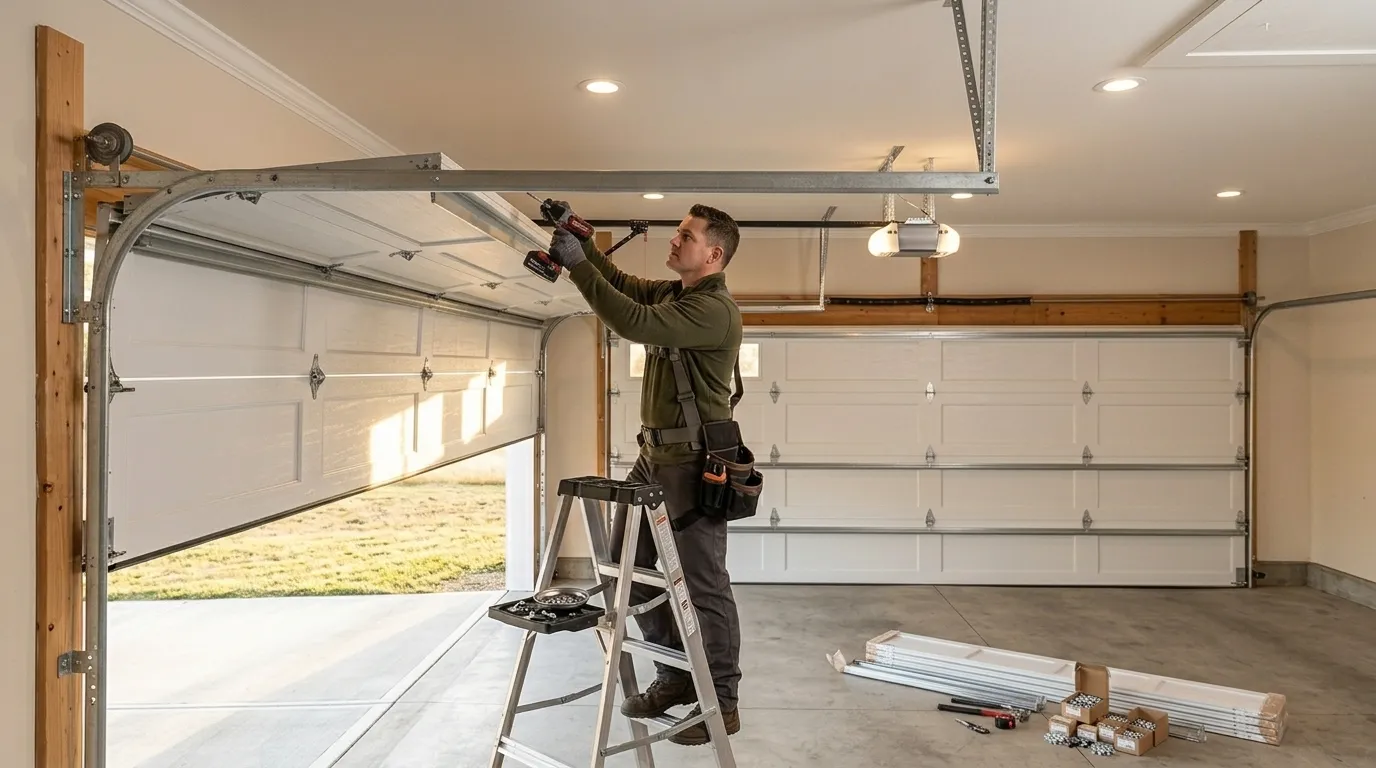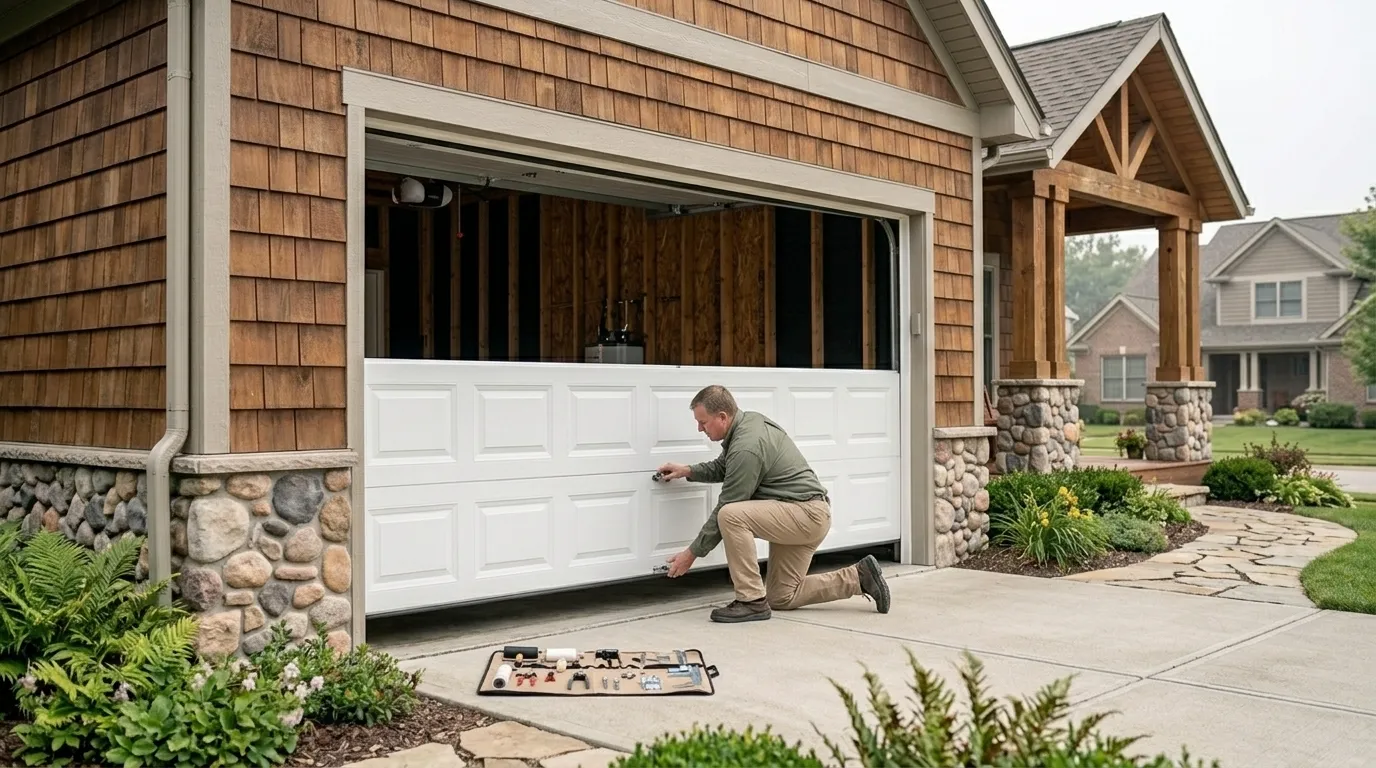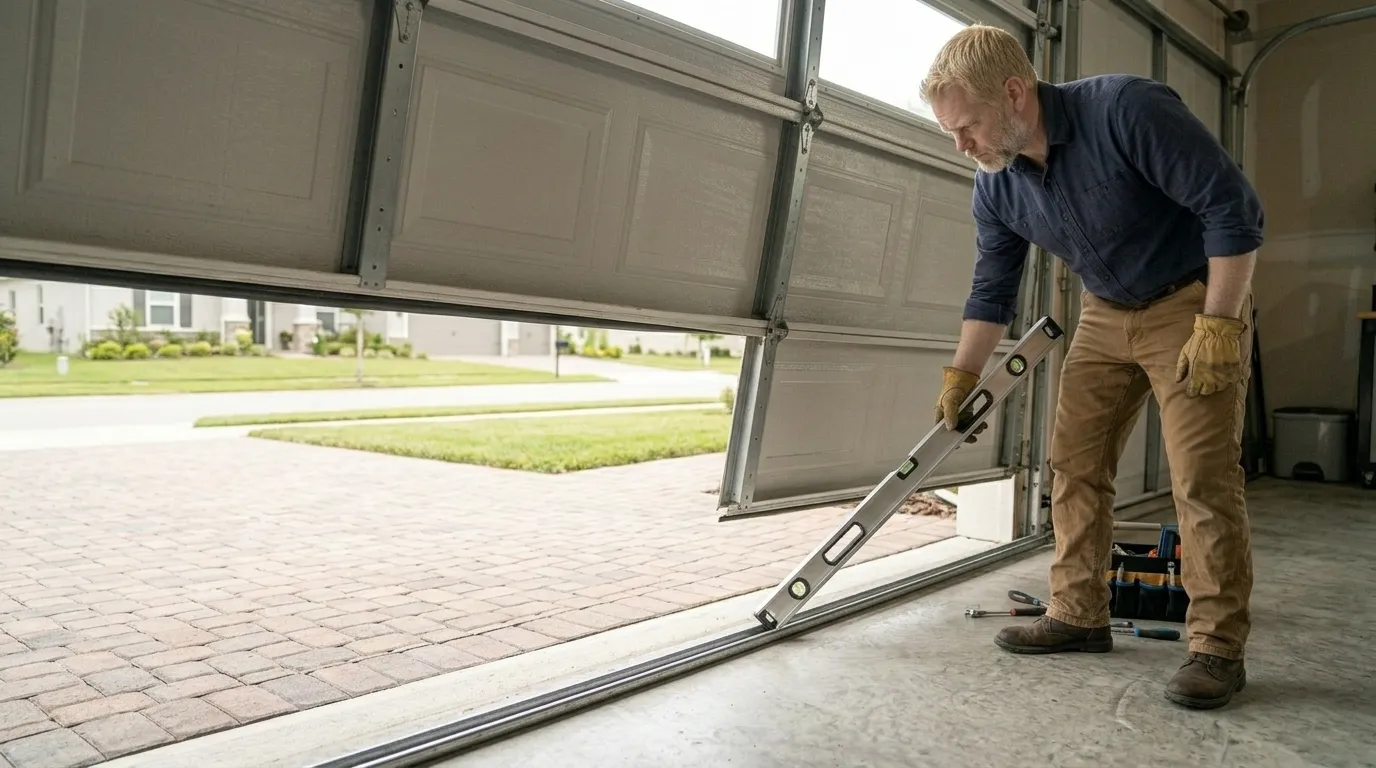
Where We Stop
We run trucks out to Theodore, about 19 miles from our Daphne base, but we don't keep a yard or a depot out here. That's worth saying plainly: if you call, you're getting a crew that drives in, not one that's already parked around the corner. We cover the roughly 2,169 households in this part of the service area alongside stops in Spanish Fort, Fairhope, Loxley, and the other towns on our route. Theodore isn't an afterthought tacked onto a bigger territory - it's a regular stop, but it is a drive, and we're upfront about that so you're not expecting a fifteen-minute window.
We don't cover ground outside this list of towns, and we're not going to pretend otherwise. If your address isn't part of our route, the honest answer is that we're not your best option, and you should find someone closer. For everyone inside the route, though, the distance doesn't change what we bring to the job - same tools, same stock on the truck, same diagnosis whether we're five miles from Daphne or nineteen.
How We Get to You
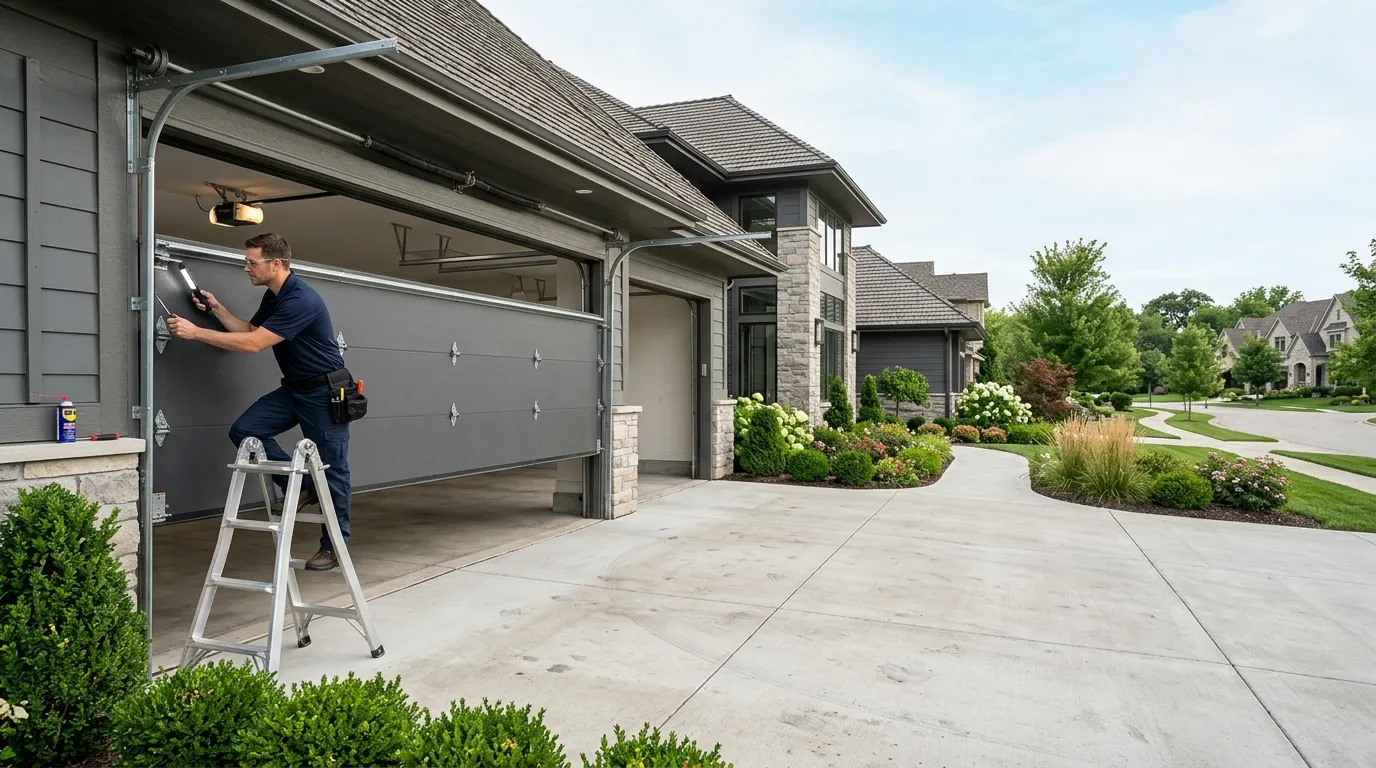
Nineteen miles isn't a quick hop, so when you call about a broken spring or a door stuck halfway up, we ask enough questions upfront to load the right parts before we leave. A torsion spring job and a broken cable job call for different stock, and driving back to restock burns your afternoon and ours. That's just the reality of covering a spread-out area from one base rather than a shop on every corner.
The upside of covering this many towns from Daphne is that we see a lot of the same hardware over and over - the same openers, the same spring sizes, the same track styles that showed up in this region's building boom. That repetition means fewer surprises once we're actually standing in your driveway, even on a first visit to a house we've never touched before.
What Was Built Here
With household incomes here running around $60,764 - close to the wider service area's $60,922 - most of what we see in Theodore isn't people replacing a door because it's dated. It's people fixing what's actually broken: a spring that finally snapped, a cable that frayed through, a panel a car backed into. Full replacements happen, but they're usually driven by a door that's failed past the point repair makes sense, not by style.
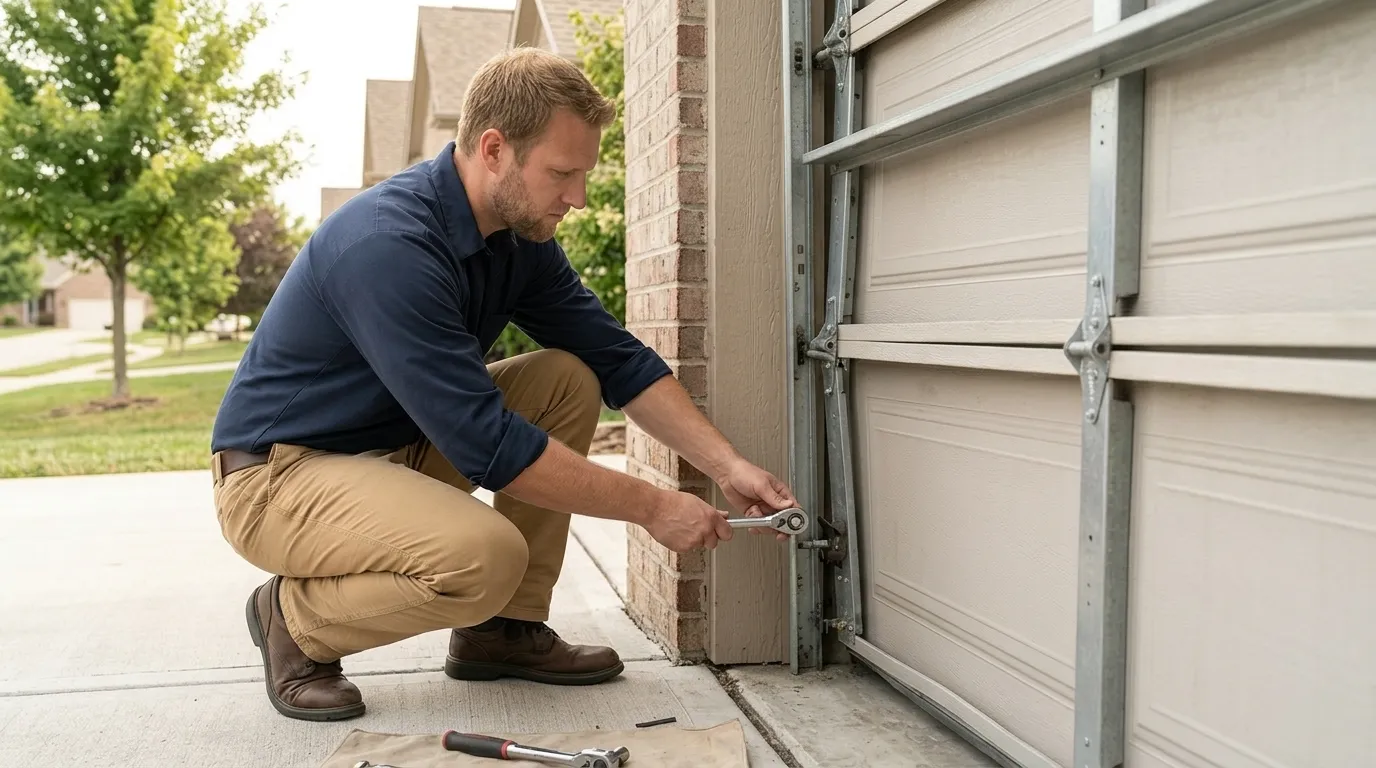
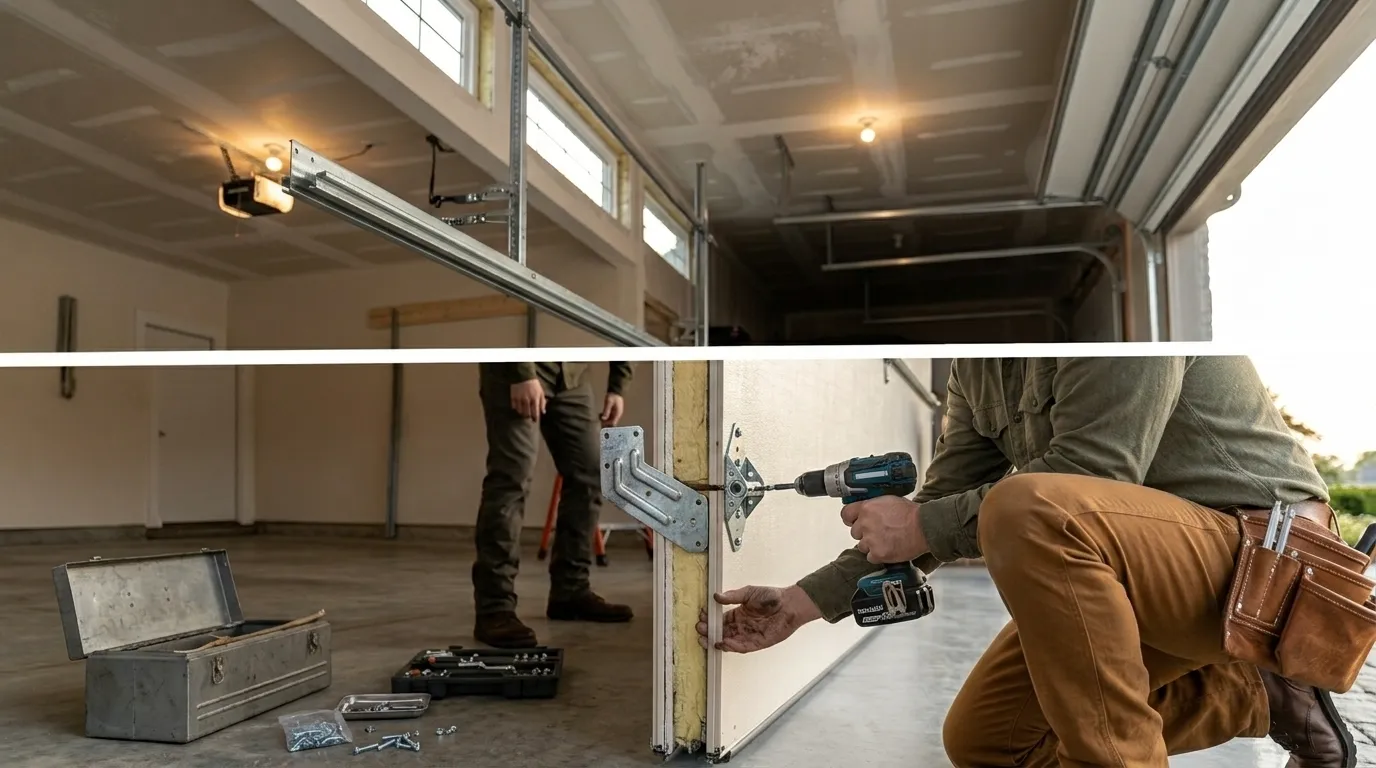
One limitation worth naming here: on older chain-drive openers, parts availability can be a problem. Some manufacturers stopped making replacement boards or gear kits for units this old, and when that happens, repair isn't really an option - we'll tell you straight if that's the case rather than stringing along a fix that won't hold. For everything else - springs, cables, rollers, track alignment - the hardware in a house built around 1988 is well within what we carry and know how to work on.