How Local Conditions Play In
Daphne doesn't get real winter, but it gets enough of a cold snap most years to matter. The area sits in a mild climate band with occasional freezes, not the deep-freeze cycling that hardens steel elsewhere, but enough of a temperature swing to stiffen the lubricant on a torsion spring that's been sitting warm and humid for eleven months of the year. Combine that with the age of the housing stock here - most of it built between 1963 and 2007, with a heavy concentration from the 1980s and 90s spread across the fourteen or so named areas in this part of the county - and you get a lot of original or first-replacement springs that have never had to work in cold metal before. A spring that's fine at 70 degrees can bind or snap outright the first morning it's 28 out, because the steel contracts and the residual lube inside the coils thickens right when the door's asked to do the most work of the day, the first lift after a cold night.
What to Check
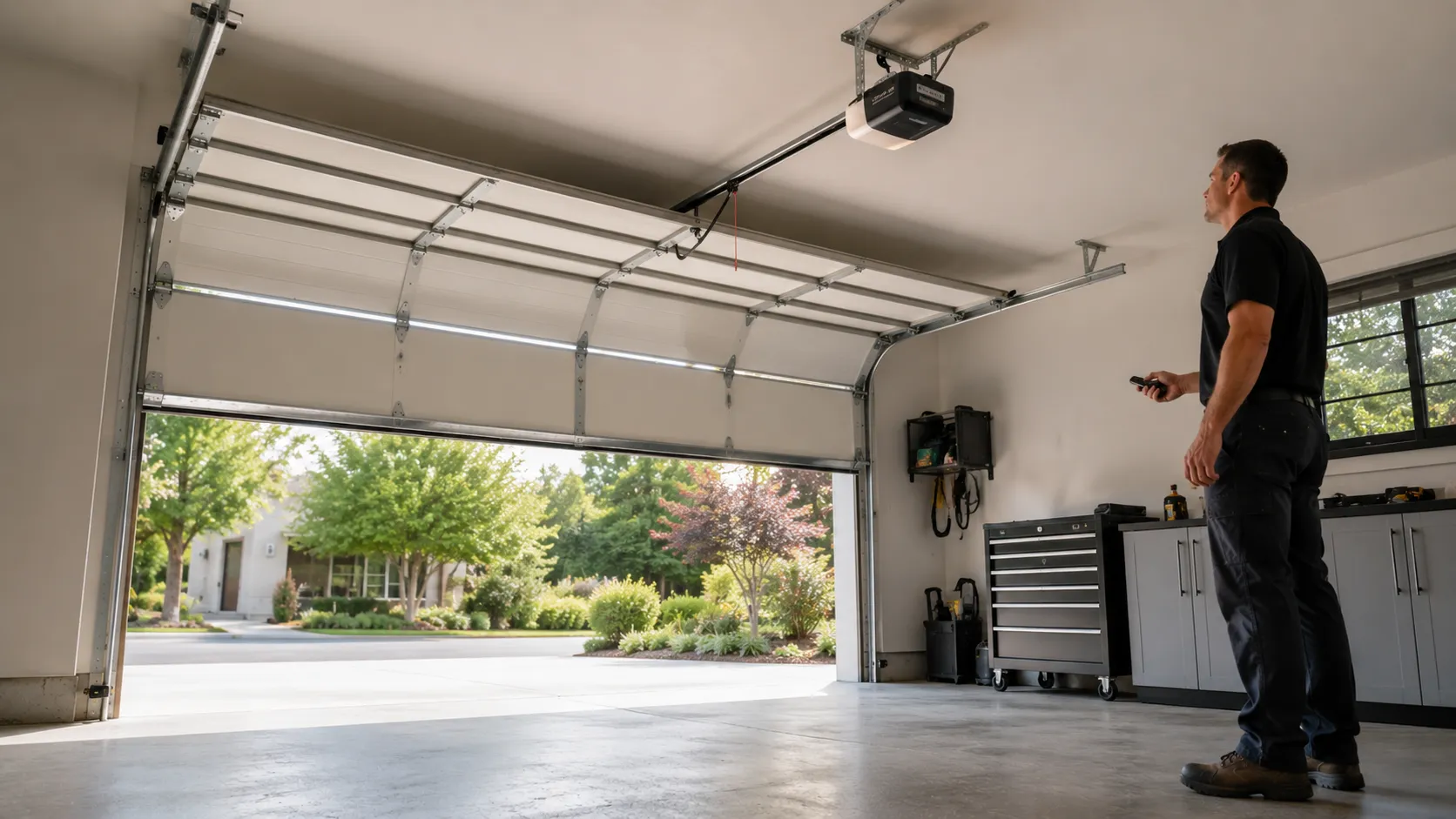
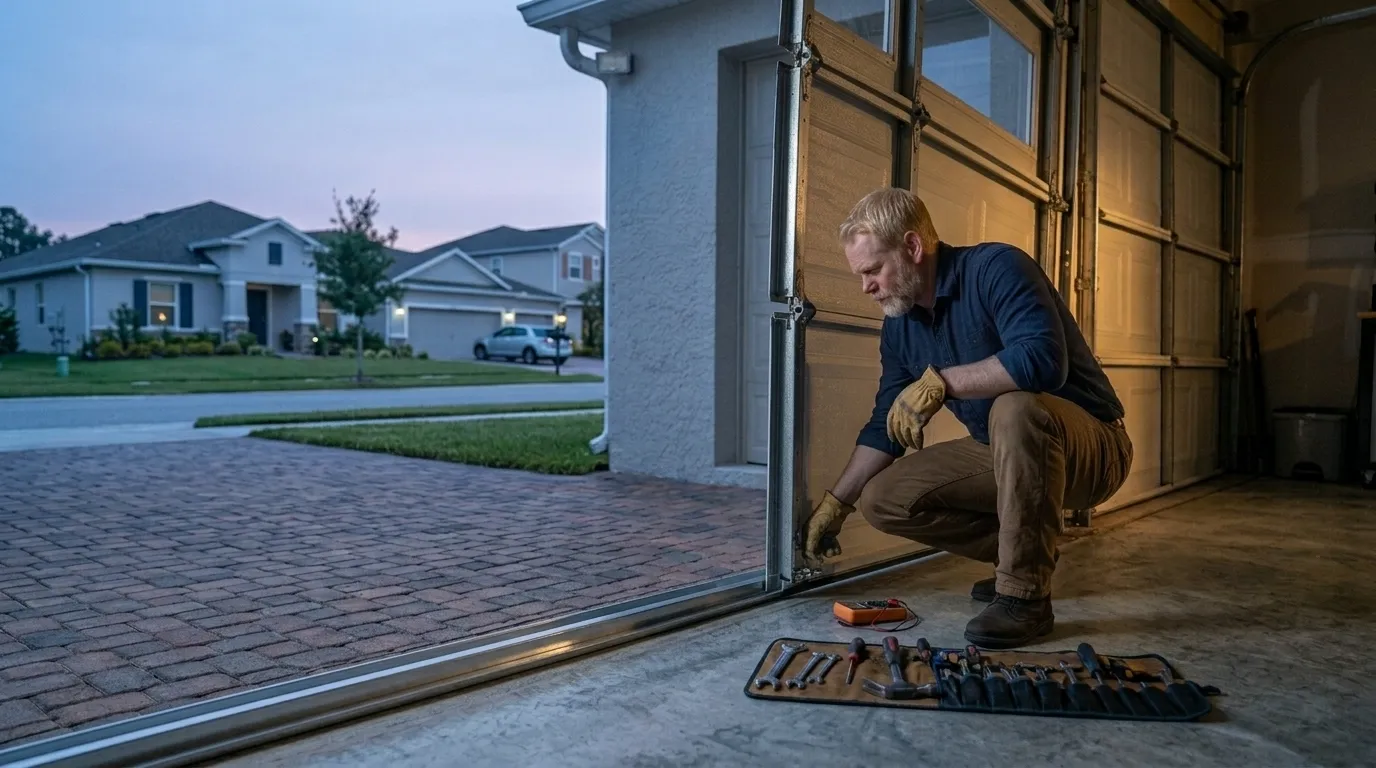
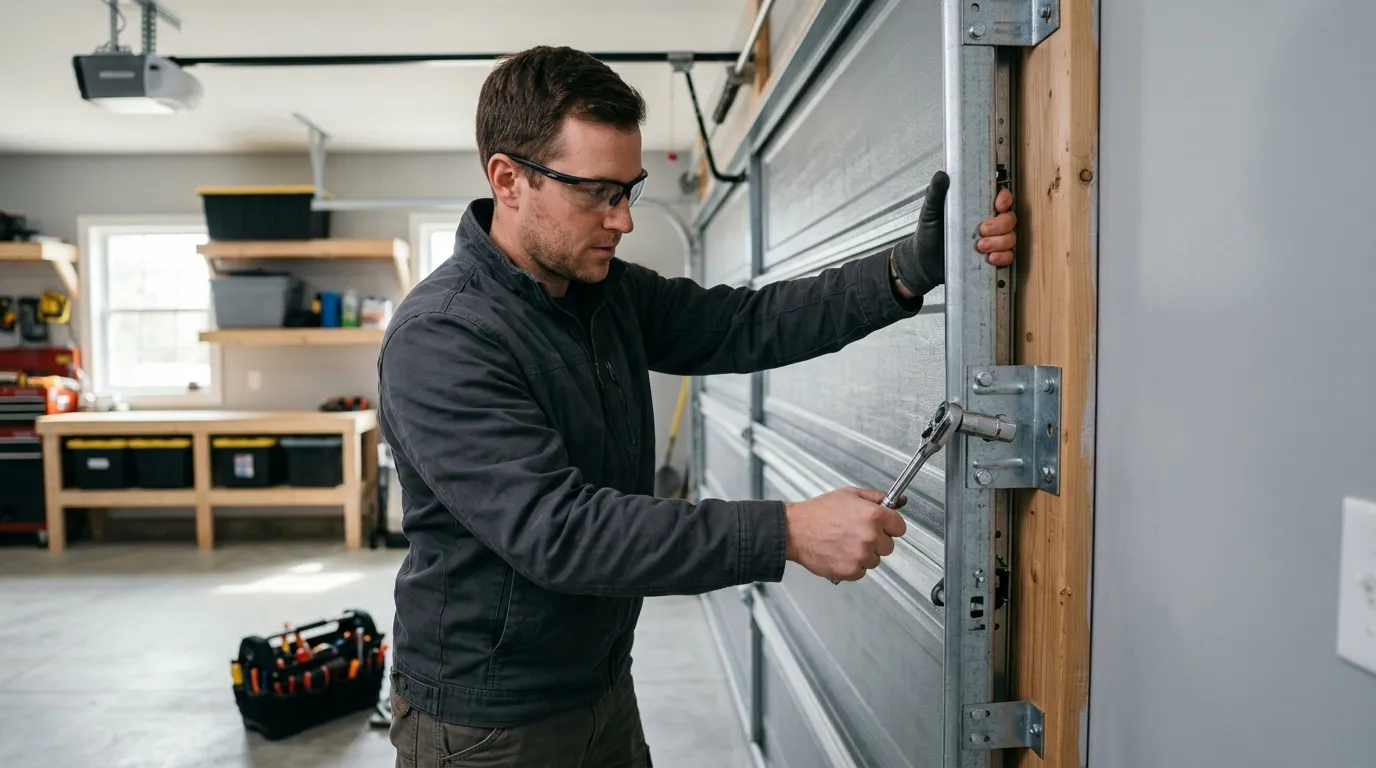
Before a cold morning turns into a call, walk out and look at the spring itself - the coil running above the door on a torsion setup. Surface rust or gaps between coils where they used to sit flush both mean the spring has already lost some temper. Lift the door by hand with the opener disconnected; it should feel balanced and move with light, even resistance. If it's noticeably heavier on one side or drops on its own past waist height, the spring is carrying less load than it's supposed to. Check the cables at the bottom brackets for fraying, since a spring that's failing under cold load often takes a cable with it. None of this takes more than five minutes, and on houses from the 1980s and 90s stretch that still have their original hardware, it's worth doing before the first cold snap each year, not after.
When to Get Help
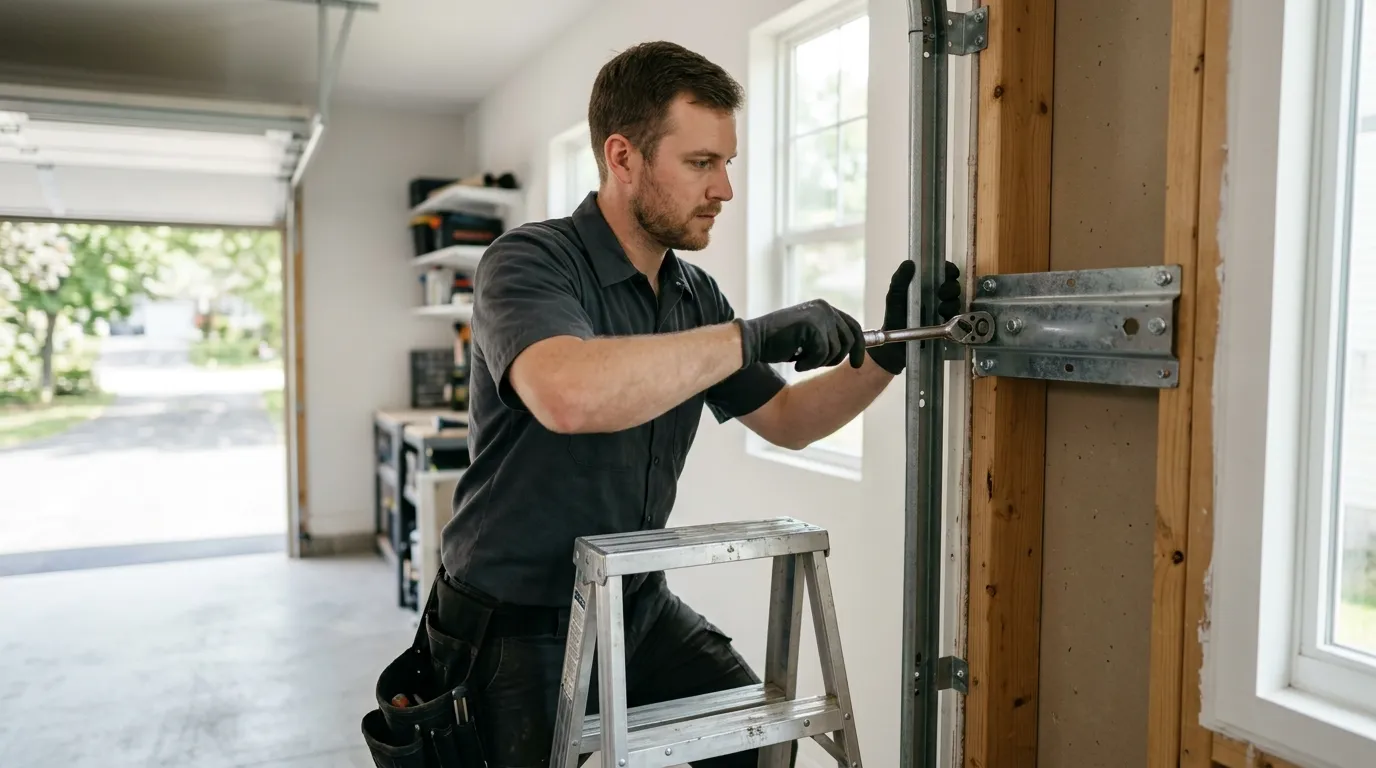
If the door drops fast, hangs unevenly, or the spring has visibly separated, stop using the opener and call before anyone forces it by hand. A broken torsion spring under tension is not a homeowner repair - the coil holds real force even after it snaps. If you're just seeing early rust or stiffness and the door still balances correctly, that's a maintenance call, not an emergency, and it's the cheaper one to make. Given how much of the housing here dates to the same 1980s-90s stretch, a lot of these springs are aging out around the same time, so don't assume a stiff morning is a one-time fluke.