How Long It Takes
Spanish Fort's median year built runs around 1999, noticeably newer than the broader Daphne service area, where the typical house dates closer to 1990. That gap matters on an install day. Newer framing means standard track heights and headroom that match current door specs without much shimming or bracket rework. We're not fighting an odd 1970s rough opening or a jamb that's settled out of square over forty years - most of what we find here is square, plumb, and built to a code cycle that expected a garage door in the plans from the start.
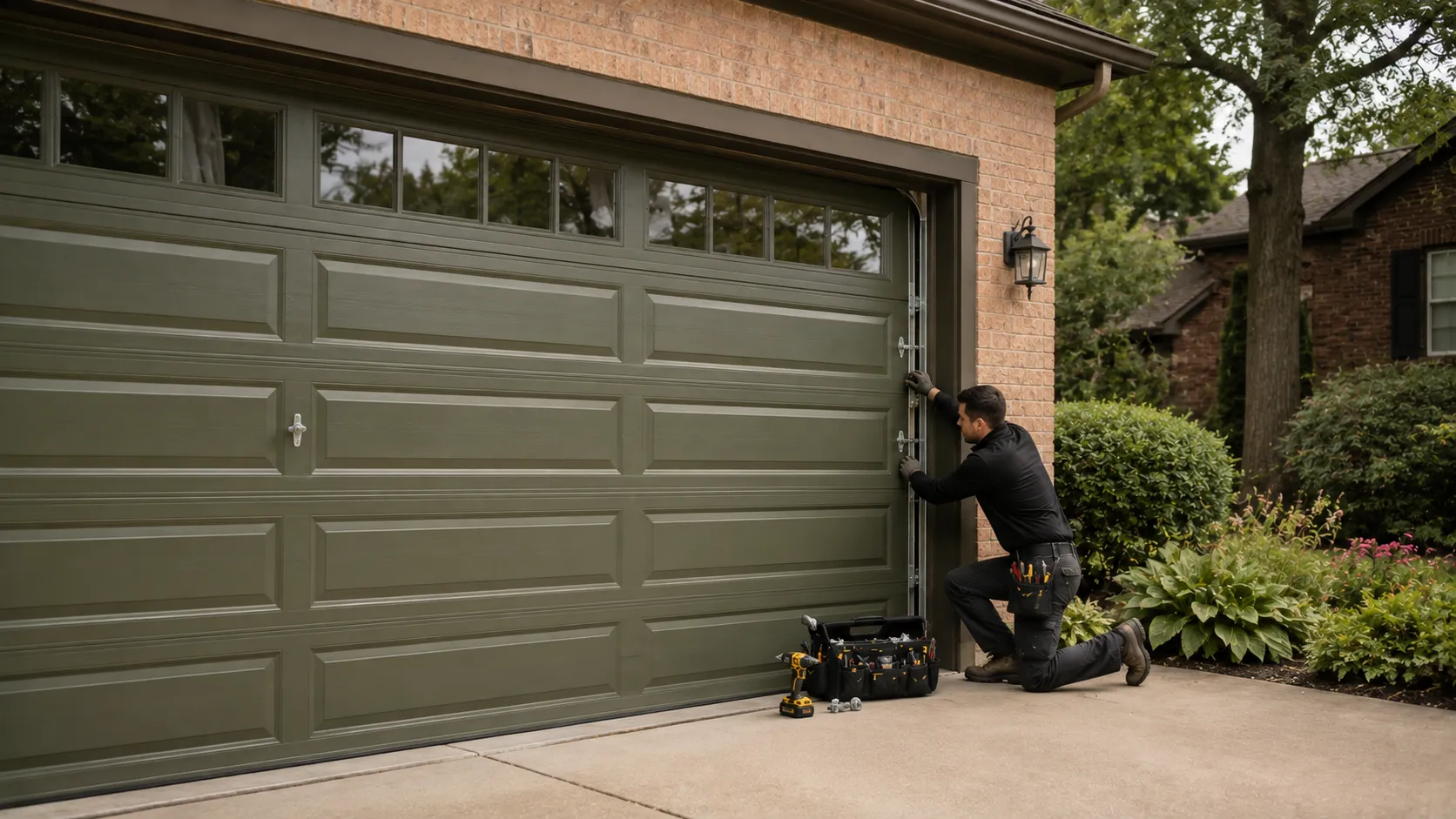
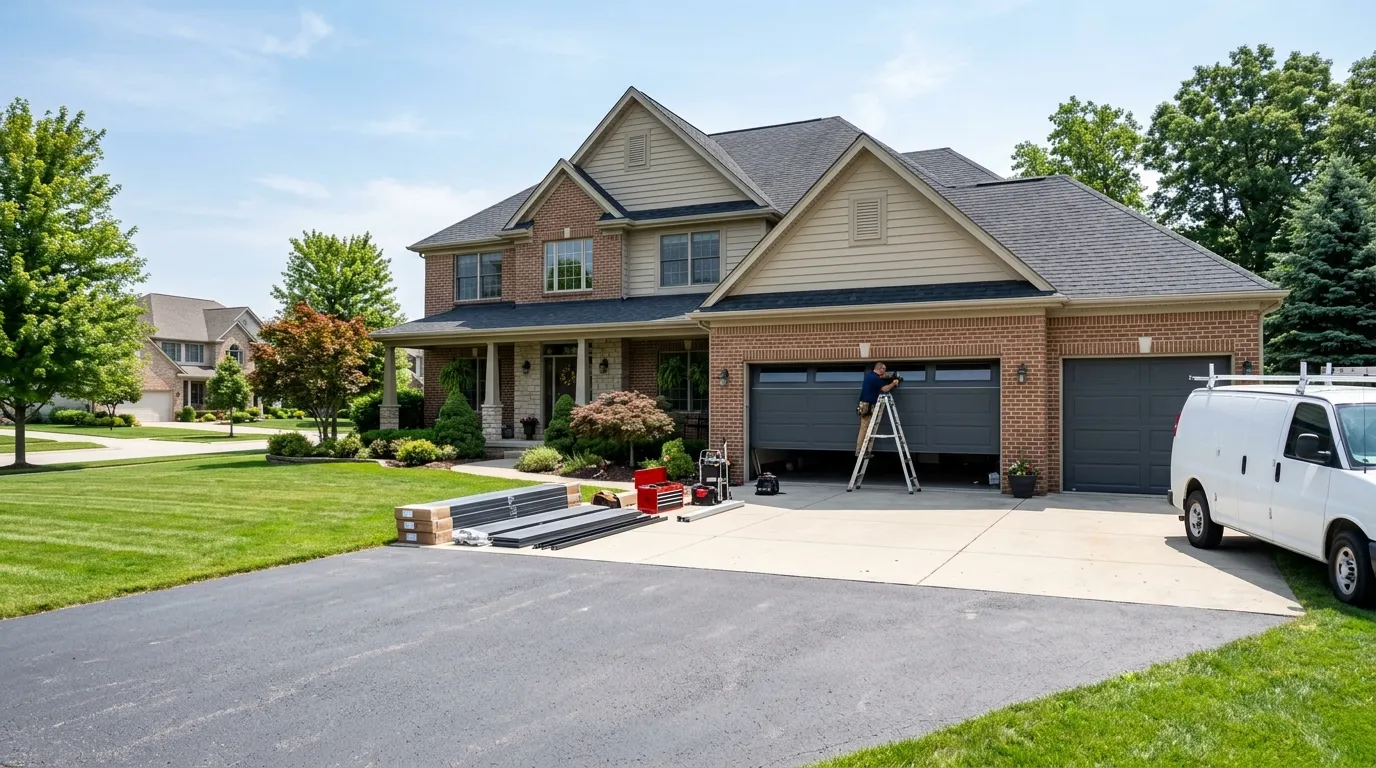
We travel from Daphne to reach Spanish Fort, about 7 miles out. That's a short run, not a branch office, so we schedule the job like any other call on our route - no separate dispatch, no local depot standing by. A single-door swap on a newer opening like this typically moves faster than a comparable job on 1980s framing, simply because there's less correcting to do before the new door goes in. We still budget the same careful setup on balance and travel of the tracks; skipping that step is how a door comes back crooked in a year.
What we can't promise is a same-day slot every time - that depends on our schedule out of Daphne on a given day, not anything specific to this address.
What Can Go Wrong
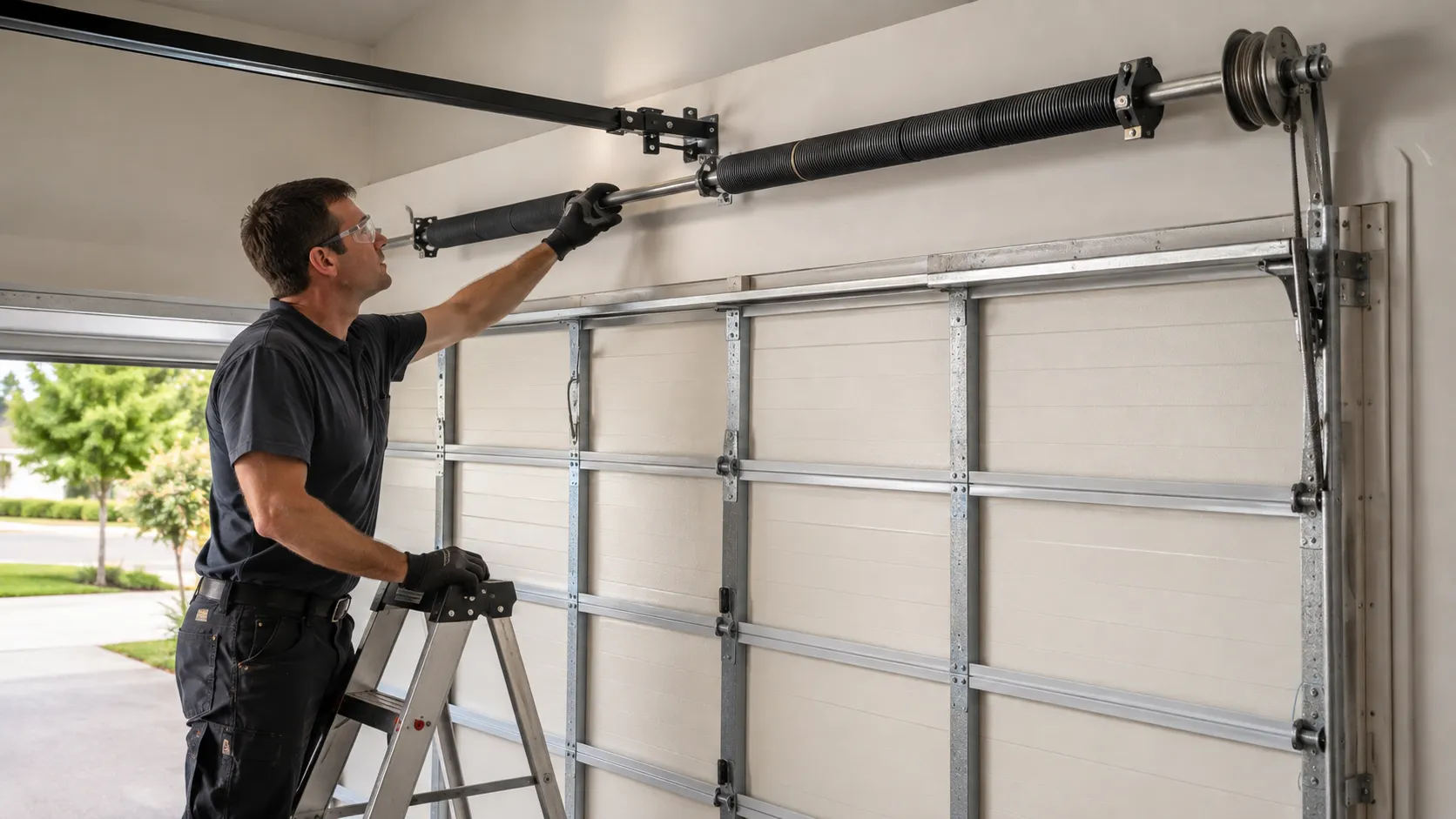
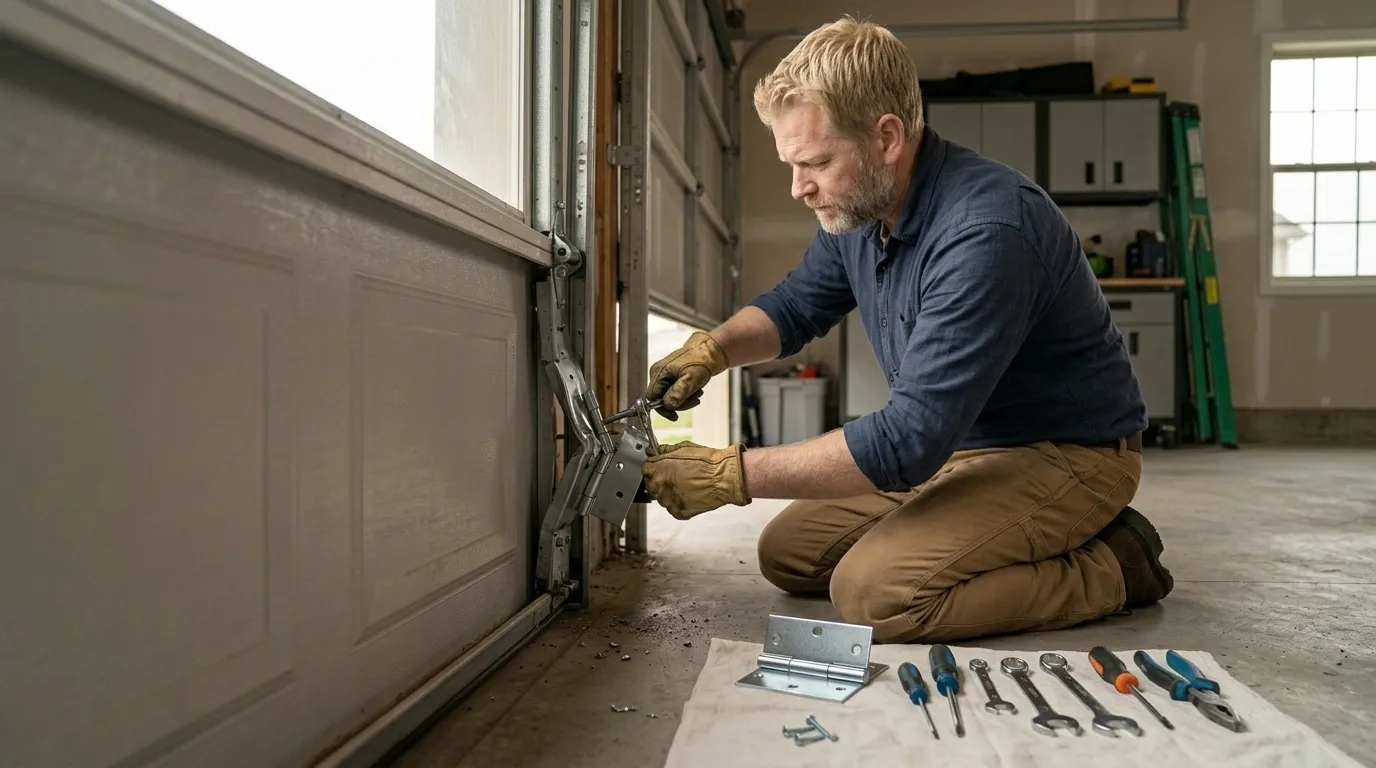
On a house built around the turn of the century, the failure pattern looks different than it does on older stock elsewhere in the area. You're less likely to find a door that's structurally mismatched to the opening, and more likely to find a door that's simply worn out from twenty-plus years of daily cycles - springs at the end of their rated life, rollers that have gone from nylon-smooth to grinding, an opener logic board from an era before rolling codes were standard.
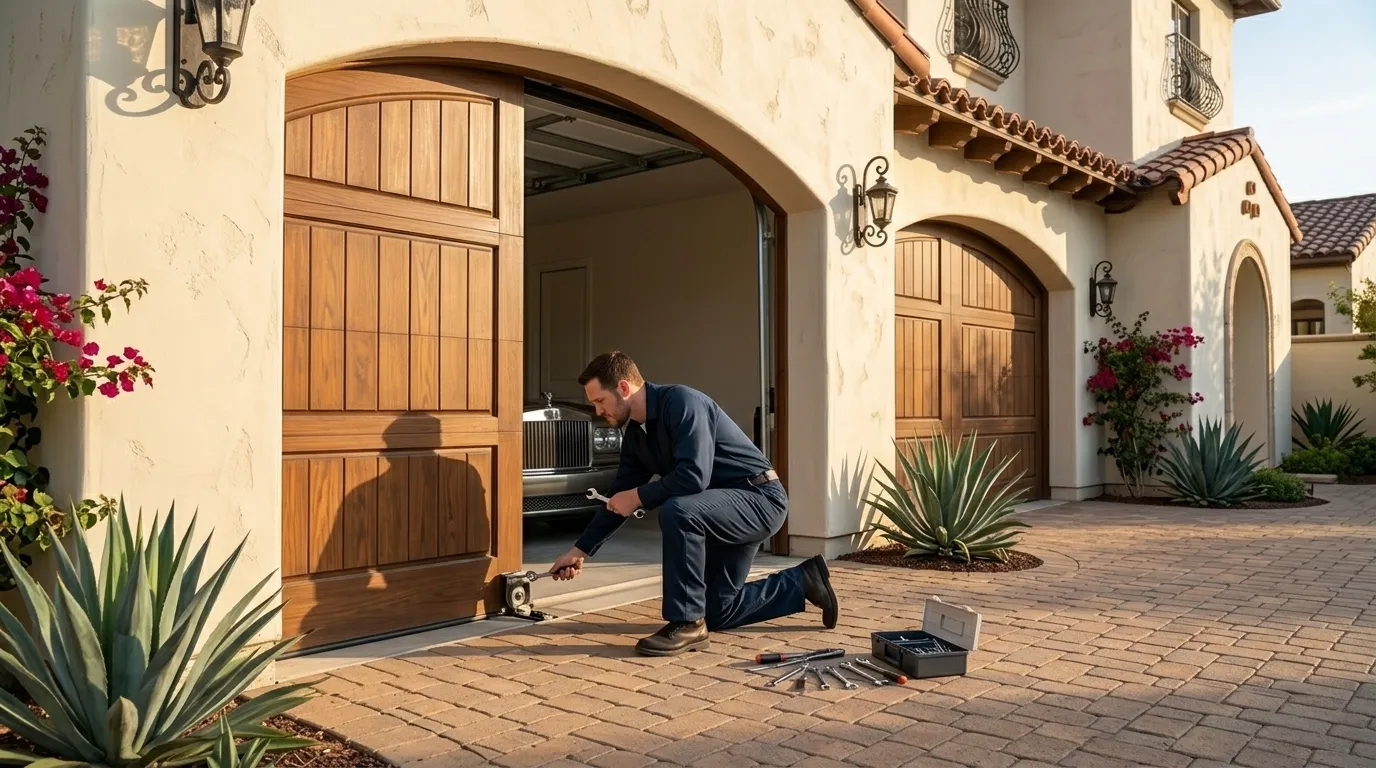
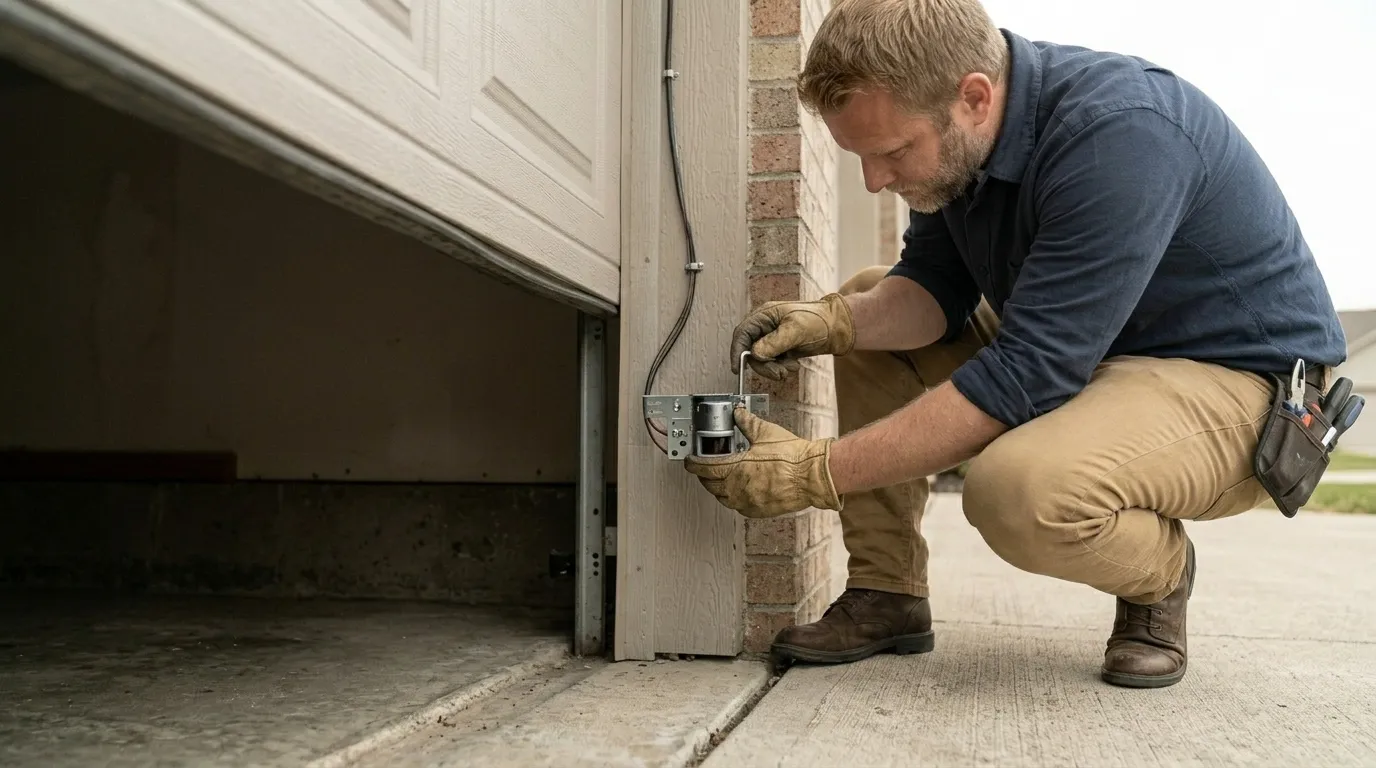
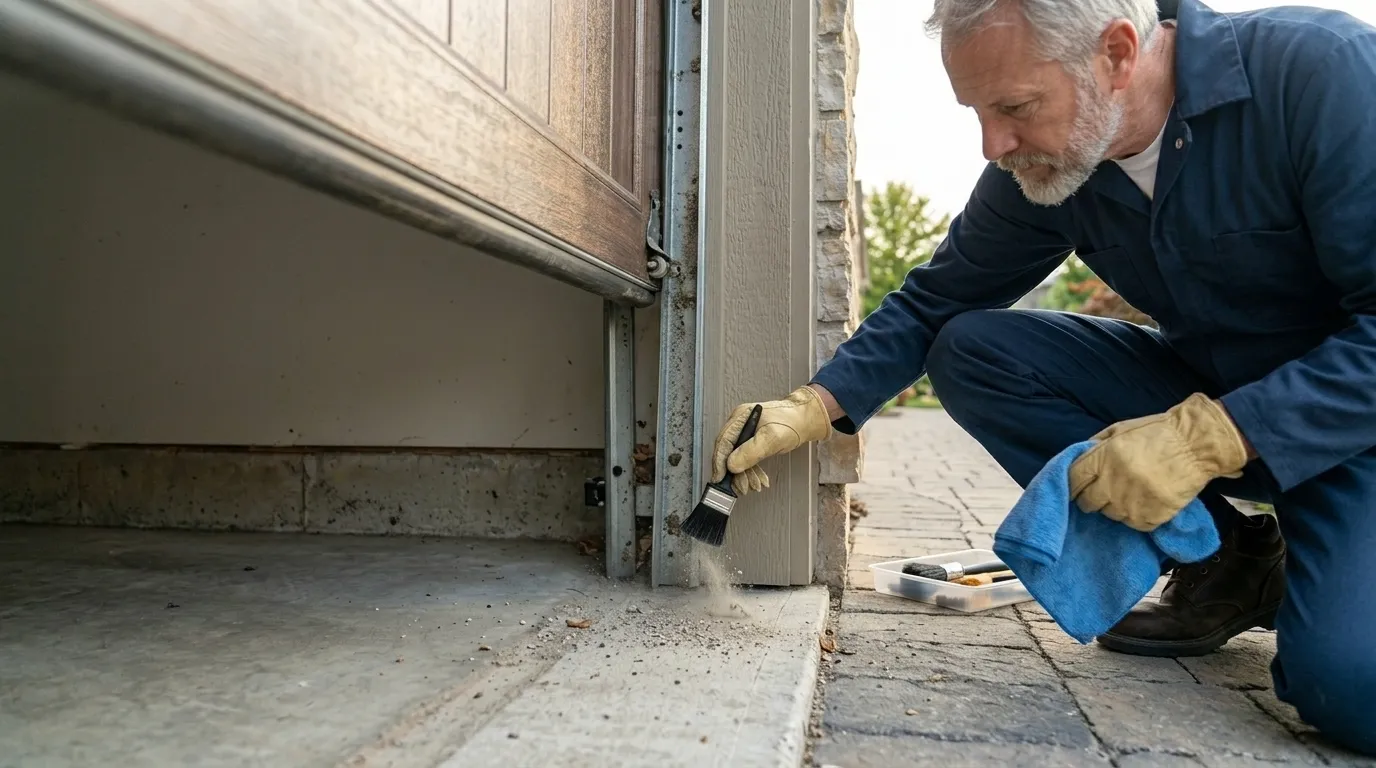
Spanish Fort sits in a mild climate band with occasional freeze risk. That's not hurricane-force weather extremes, but it does mean seals, weatherstrip, and any exposed hardware take a slow beating from humidity and the odd cold snap rather than one big event. On a 1999-era door, we usually see the bottom seal and the astragal as the first things to give out, well before the panels themselves show real damage.
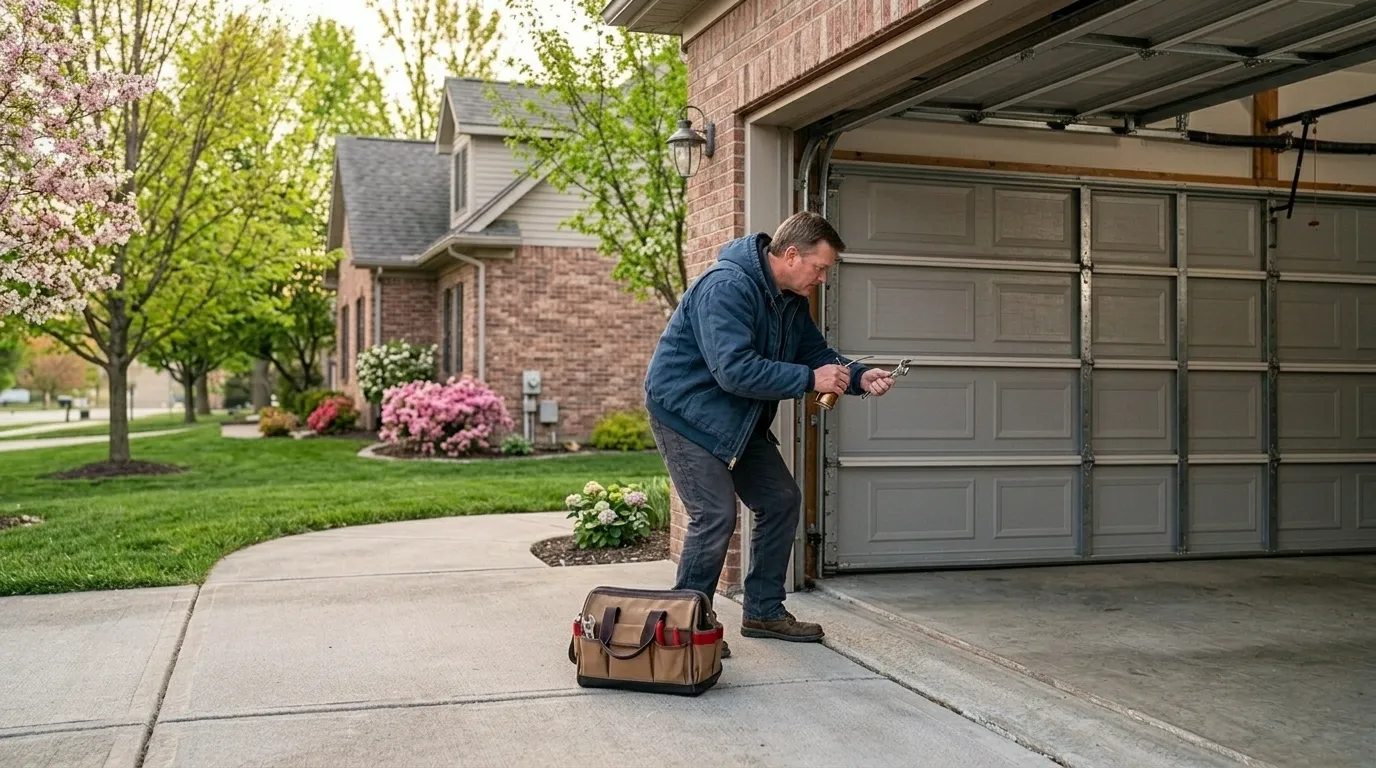
What we won't do is talk you into a full teardown when a spring set and a tune-up will get another decade out of a sound door. If the track, hardware, and panels are square and unbent, replacing the whole unit is money you don't need to spend.
What It Costs
The service area we cover runs a median household income of $60,922, but Spanish Fort itself, with roughly 3,860 households, runs well above that at a median household income of $101,574. That's relevant mainly for one reason: what homeowners here tend to choose. We see more requests for insulated steel doors, quieter belt-drive openers, and full-window panel options in Spanish Fort than the bare-bones single-layer steel doors that move fastest in lower-cost pockets of the coverage area.
We don't have a published price list to hand you here - door and opener costs vary by size, R-value, and drive type, and we're not going to quote a number we can't back up. What we can tell you is that a standard double door on a house built around 1999, in decent framing, with no structural surprises, is usually a more predictable job than the same install on much older stock, because there's less unknown behind the wall.
We give firm pricing after we've looked at the actual opening, not before.